Somewheres and Anywheres
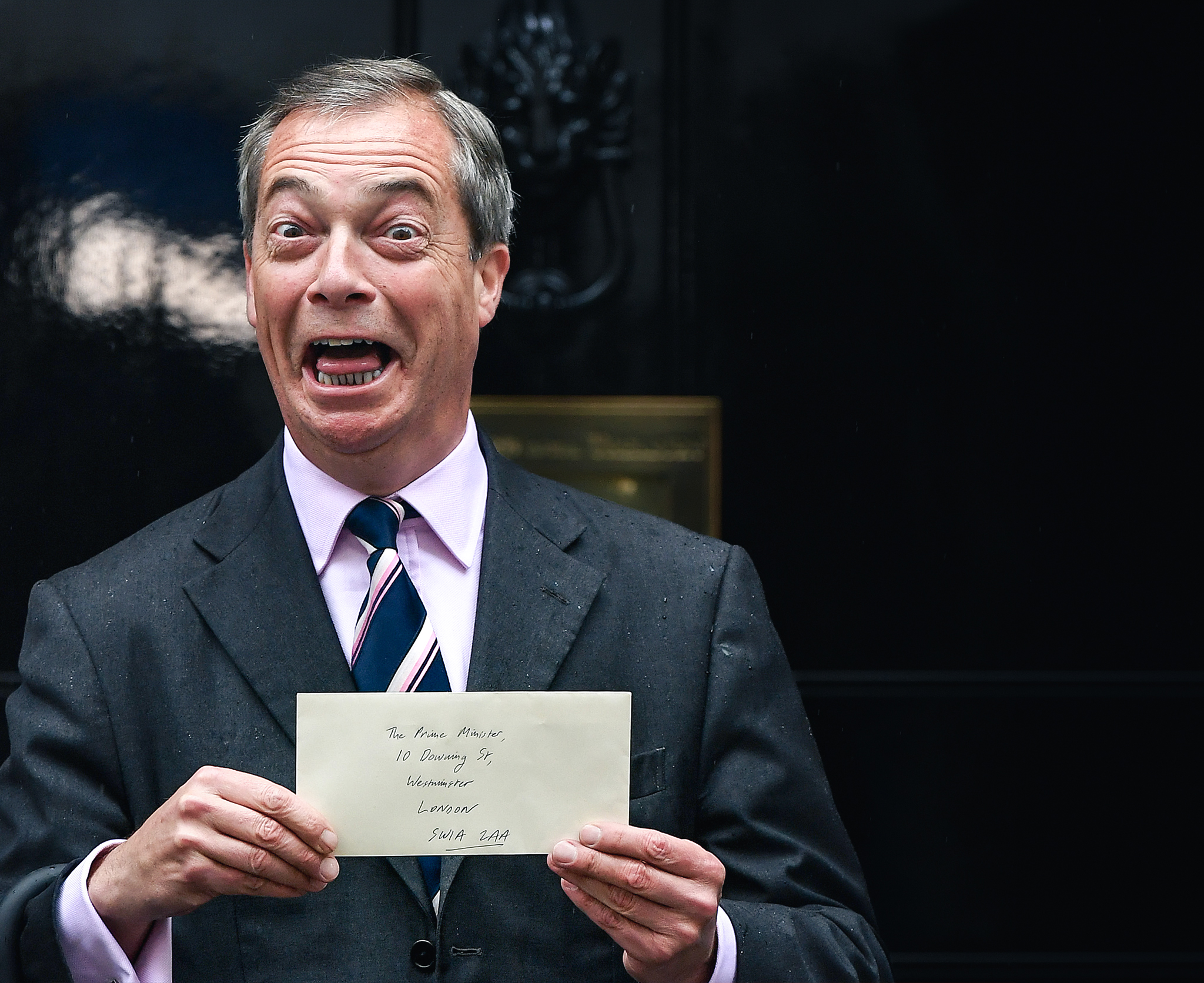
That division between the “somewheres” and the “anywheres”, the nationalists and the transnationalists, has only sharpened since Brexit. The “anywheres” believed that vote represented something temporary and passing, but since it took place, Donald Trump has been elected twice, Nigel Farage has seen his Reform party surge in Britain, Giorgia Meloni is Italian Prime Minister and Jordan Bardella (or Marine Le Pen) stands a fair chance of becoming France’s next president.
In the middle of all this, where does the Catholic Church stand? At present, it seems to lean more toward the “anywheres” than the “somewheres”. There are some good theological and historical reasons for this. For a start, Catholicism is a universalist creed, as the word “Catholic” implies. Catholicism arose long before there was anything that resembled a nation-state, or nationalism, although it did arise at a time of clans and tribes.
The Church’s Universal Instinct
In fact, in some ways the Church is the original “anywhere” organization. It did not want people’s primary allegiance to be to their clan or tribe. It wanted their primary allegiance to be to their Catholic faith. One reason it forbade cousin marriage – a rule that varied in practical effect from place to place – is because it wanted to weaken the influence of the clans. The clans relied for their continued power on constant marriage between cousins.
The Church, following Jesus, also teaches us that we must love our neighbor, and furthermore that everyone is our neighbor in some sense, even people who are total strangers and might live very far away.
Liberal universalism arises from Catholic universalism, although often it does not recognize this fact.
Because the Church itself is a transnational organization, it tends to look favorably on other transnational organizations. Yes, for centuries there were “Throne and Altar” alliances, but these were frequently very uneasy affairs and kings often mightily resented the power of popes and bishops and vice versa.
Rome and the Nation-State
Today, there are very few alliances between Church and State, except in some Protestant countries in which the State unquestionably has the upper hand. But the Catholic Church generally, and the Holy See in particular, likes the EU and the UN. Popes sometimes have to remind the EU of Europe’s Christian heritage, but generally speaking they regard the EU as a force for good because it promotes peace and seeks to bring nations together. The same thinking applies to the UN.
A certain skepticism toward the nation-state and certainly toward nationalism seemed particularly pronounced during the pontificate of Pope Francis. Pope Francis often sounded like he hardly believed in borders at all although he did from time to time acknowledge that nations have a right to control who enters their territory.
For example, in an interview with the Spanish newspaper El País in 2017 he acknowledged: “Yes, each country has a right to control its borders, who enters and who leaves, and countries that are in danger – of terrorism or the like – have more right to control them more...”
But much of the time he preferred to speak of the rights of migrants and that we should “build bridges, not walls”.
Pope Leo and the Border Question
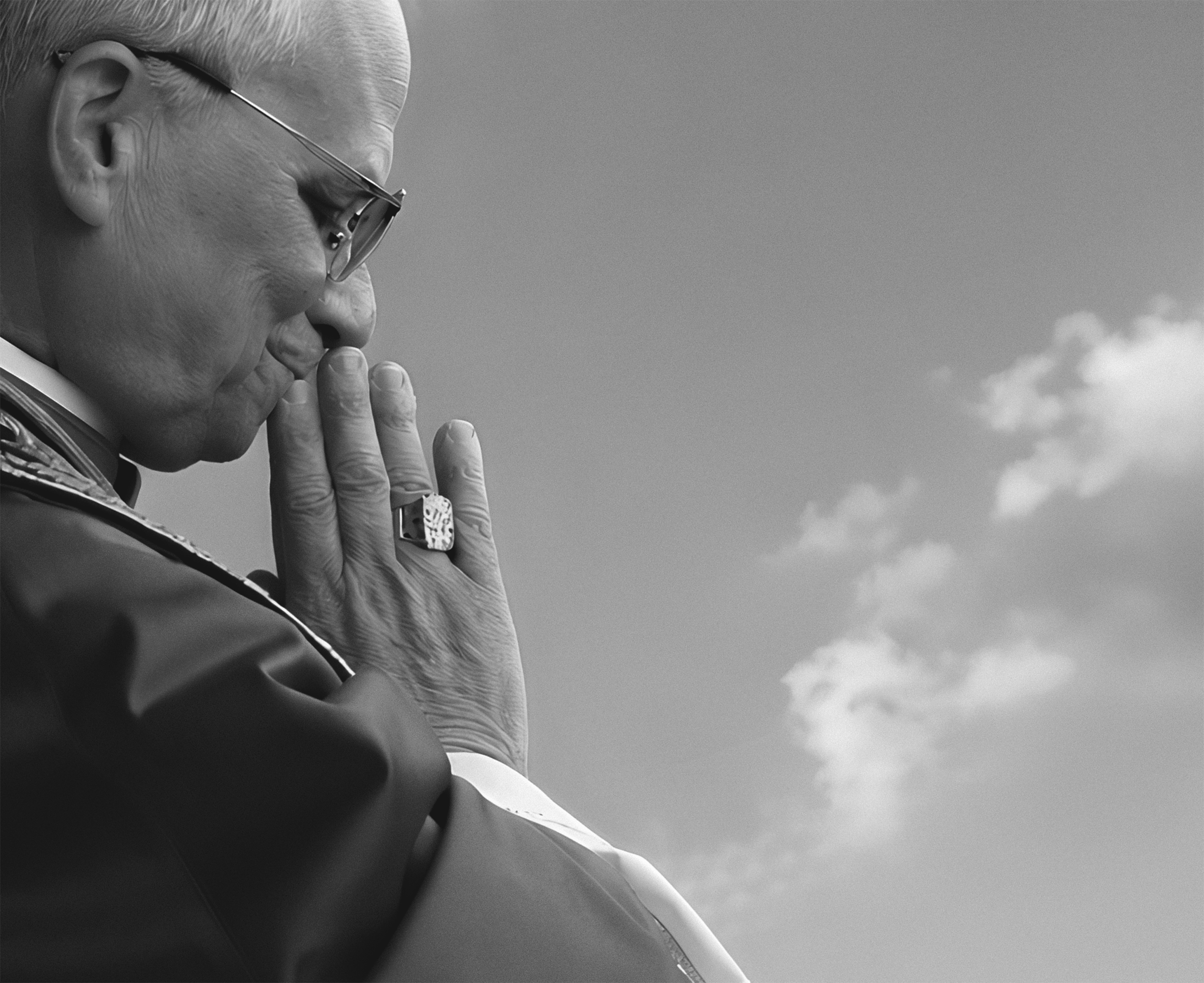
What of Pope Leo? He also speaks of the rights of migrants a great deal. He did so numerous times on his recent visit to Spain and the Canary Islands. He also condemned human traffickers for exploiting refugees and stressed that migrants must attempt to integrate into their new countries. It seems significant that he will shortly mark American Independence Day by visiting the Italian island of Lampedusa, where many asylum-seekers land after crossing the Mediterranean.
I have found few references to the right of nations to police their borders. On a flight back from Africa recently he told reporters: “Personally, I believe that a State has the right to regulate its borders.”
But if the Church is not to be seen as partisan in the struggle between the “somewheres” and the “anywheres”, it has to sound a bit more sympathetic to the “somewheres”. Church leaders should not restrict themselves to the odd stray quote about the need for borders.
Instead, and beginning with the pope, we need to hear a lot more about the principle of subsidiarity, which is certainly violated if nation-states keep ceding sovereignty to supranational bodies like the EU and the UN.
The Church’s “option for the poor” obviously extends to migrants, but it cannot forget that “somewhere” voters are often low-income and working-class, or even entirely dependent on welfare, and that they too must fall within its concern.
Finally, I think the Church needs to recall some of the words of John Paul II which are entirely relevant to this subject.
John Paul II on Roots and Nations
In his final book, Memory and Identity, John Paul said: “The term ‘nation’ designates a community based in a given territory and distinguished by its culture. Catholic social doctrine holds that the family and the nation are both natural societies, not the product of mere convention.”
This was a clear recognition that roots and natural affinities matter to people. It was a “somewhere” statement.
In his message for the 87th World Day of Migration in 2001, he said: “The exercise of such a right [to immigrate to a particular country] is to be regulated, because practicing it indiscriminately may do harm and be detrimental to the common good of the community that receives the migrant.”
This properly recognizes the need to balance the good of migrants against the good of the receiving country.
Yes, the Church has a universalist, “anywhere” message, but it has a “somewhere” message as well and it should be careful not to forget that, because if it does, it might alienate countless numbers of Catholics who value national sovereignty and do not want their countries changing out of all recognition.