States Led by Italy, Chile Seek Temporary International Surrogacy Ban
A joint political declaration calls for a temporary, worldwide suspension of surrogacy and sets out a shared commitment to the global abolition of the practice.
Spanish women protest against surrogacy in Madrid in 2025. There is a growing push to ban the practice globally. Photo: Francesco Militello Mirto/NurPhoto via Getty Images
|
A group of states have banded together to call for an international moratorium on surrogacy, in a declaration delivered at the United Nations (UN), shortly before a new report identified surrogate mothers as being at particular risk of violence.
Spearheaded by Italy and Chile, the 22 June declaration aims at the abolition of surrogacy and sees a moratorium as a stepping stone towards a worldwide legally binding instrument.
The document was presented at an event co-hosted by the governments of Italy, Chile, Cameroon and the Holy See, and moderated by the legal aid charity ADF International. The gathering was held on the sidelines of the 62nd session of the UN Human Rights Council (UNHRC) in Geneva, Switzerland.
The declaration highlights the “severe” human rights violations and abuses inherent in surrogacy, according to a statement from ADF International. In particular, it draws attention to the “commodification” of human life and women’s reproductive capabilities, as well as the harm to the rights of children caused by separating them from their birth mothers.
The signatories warn that women and girls involved in surrogacy face “wide-ranging harms”, including exploitation and loss of agency.
The declaration points to potential psychological, emotional and identity-related impacts, as well as complex legal challenges relating to parentage, nationality and legal protection. It also highlights the risks of abandonment, trafficking and exploitation associated with the practice.
It arrives amid growing scrutiny on the harms associated with surrogacy, following scandals in Ukraine and the United States.
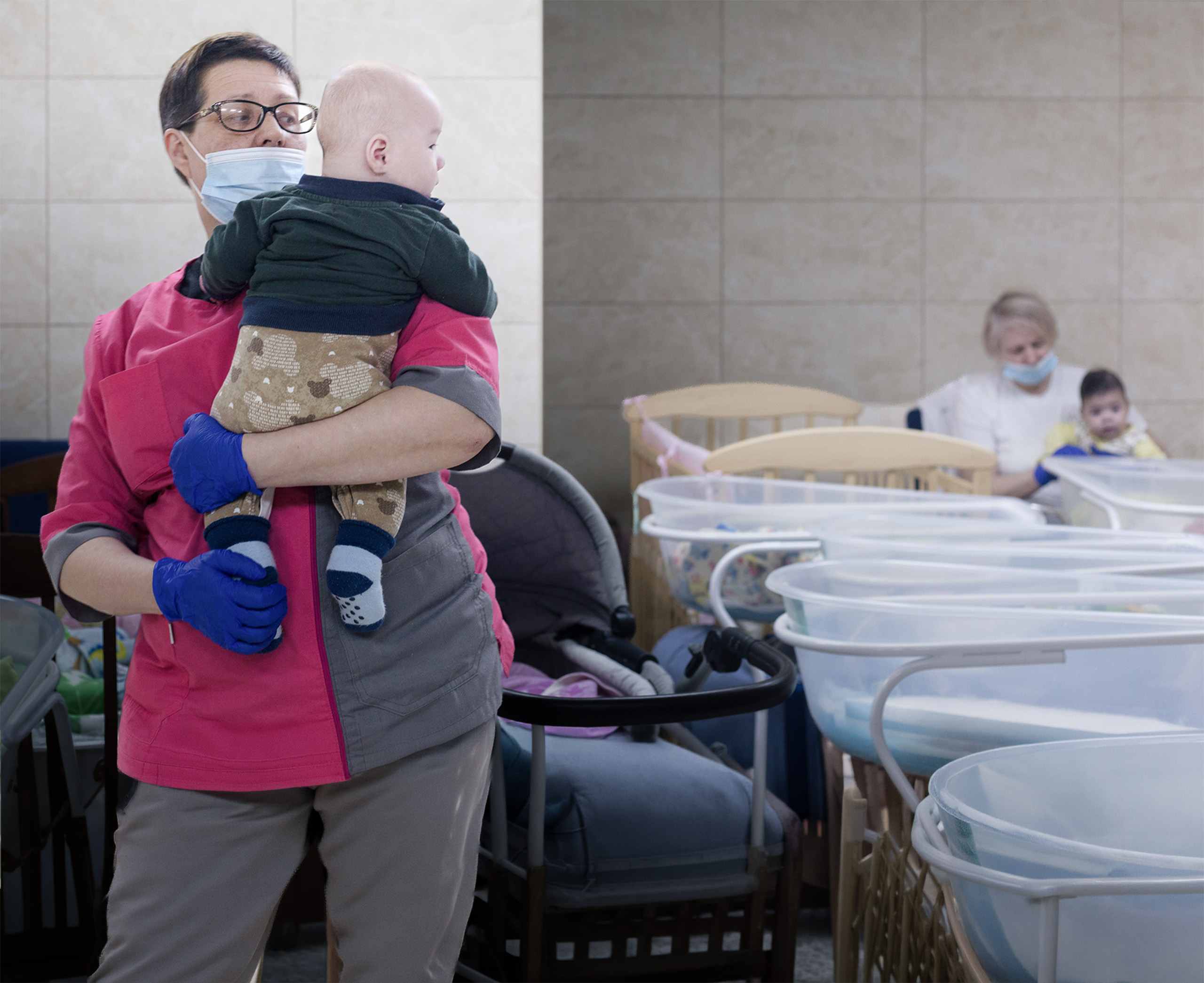
Critics of international surrogacy, which involves a woman carrying a pregnancy for one or two other people known as the "intended parents" of the child, have long warned of its dangers, including links to human trafficking and exploitation.
UN expert Reem Alsalem addressed the dangers of surrogacy before the UN Human Rights Council.
On the same day as the political declaration was launched, the UN Special Rapporteur on violence against women and girls Reem Alsalem presented a new report to the UNHRC, highlighting the risk of violence faced by surrogate mothers.
This latest warning follows Alsalem’s 2025 report, which found that surrogacy is “characterized by exploitation and violence against women and children, including girls”.
Eradicating Surrogacy
The report called on governments across the world to work towards eradicating the practice through the adoption of an international legally binding instrument.
Surrogacy is illegal in many countries, including China and most European states, with the exception of a few, such as Portugal and Ireland. But it is legal in the US, Ukraine and several nations in Africa.
Two of the largest surrogacy markets are in the US and Ukraine, where commercial surrogacy is permitted for both domestic and international buyers. Policymakers in both countries have recently brought forward legislation aimed at restricting or regulating the multi-billion-dollar industry.
The Ukrainian government is under pressure from the European Union to clamp down on the practice as it bids for membership. However, a government bill severely restricting the practice is being opposed by the assisted reproduction industry and opposition politicians. Ukraine accounts for roughly 25% of the global surrogacy market.
In the US, lawmakers are moving to close a gap in surrogacy legislation that allows convicted pedophiles to acquire children via surrogacy, while a second bill seeks to ban non-citizens from accessing the American market.
Profound Inequalities
Of the signatories to the 22 June declaration, Italy was the first country to prohibit surrogacy both within and outside its borders, doing so in 2024, while Chile approved legislation banning the practice in January 2026.
Representatives from both nations warned of the complex legal, ethical and human rights questions posed by the growing globalization of surrogacy arrangements.
Italy’s Minister for Family, Natality and Equal Opportunities Eugenia Roccella said in a statement that the practice is shaped by “profound inequalities” within and between societies, as well as by international markets and cross-border arrangements.
Surrogacy raises the question for policymakers of whether they recognize every human being as a person to be respected or if they will accept situations where human beings can become “a means to satisfy the interests and desires of others”.
Commodification of Women
The declaration received the endorsement of UN expert Alsalem, who commended the signatories for recognizing the concerns that surrogacy raises regarding the dignity and "commodification" of women and children.
She warned that "fragmented national approaches" will facilitate the growth of a global cross-border market that "transfers harm" onto women and children in more vulnerable regions.
However, while there is a push from national and global governing bodies to ban or at least regulate the practice, the international surrogacy industry is attempting to defuse concerns by formulating its own minimum standards.
Critics have accused the industry of using these standards to whitewash surrogacy, while acknowledging that assisted reproduction companies have, at last, admitted to some of the risks and side effects they had previously ignored.
While the declaration signed in Geneva marks the latest milestone in a growing worldwide movement towards abolishing surrogacy, it faces significant resistance from a powerful and wealthy industry.
Welcome to the comments section of the Štandard daily. Please take note of our guidelines, comments are moderated by us. You can contact the moderators at support@statement.com.
Participate in the discussion
Comments are available to subscribers only. If you'd like to join the discussion, choose a subscription starting at €6.72 per month.
All comments 0
Register
Comments are available to registered users only. If you'd like to join the discussion, register here.