Public Awareness and Famous Cases
This form of crime has increasingly entered the public consciousness after being portrayed in the award-winning BBC police drama Line of Duty, in which a man with Down's syndrome falls victim to cuckooing when criminals take over his home.
One of the most shocking real-life cases was the murder of jazz trumpeter William Agar. In December 2019, Agar, who had performed with punk band The Damned, was killed and dismembered in his small flat in south-west London after a criminal gang took over his home as a base for drug dealing.
The 53-year-old musician, known as Blaise, struggled with mental health problems and had come to accept that the gang had effectively turned him into their "slave". According to prosecutors, he was murdered after objecting to the gang's abuse of his pet cat.
His killers dismembered his body in the bathtub of his own flat before burying the remains in a shallow grave in a nearby nature reserve.
This case became one of Britain's most disturbing examples of cuckooing, illustrating how vulnerable people can become trapped, exploited and ultimately subjected to extreme violence by organized criminal gangs.
Are Drug Laws Too Permissive in the UK and Europe?
Cuckooing has become closely associated with Britain's county lines drug networks, in which urban gangs expand into smaller towns and rural communities. Rather than renting or purchasing properties that could attract police attention, criminals exploit those least able to resist, allowing gangs to operate with minimal cost and reduced risk.
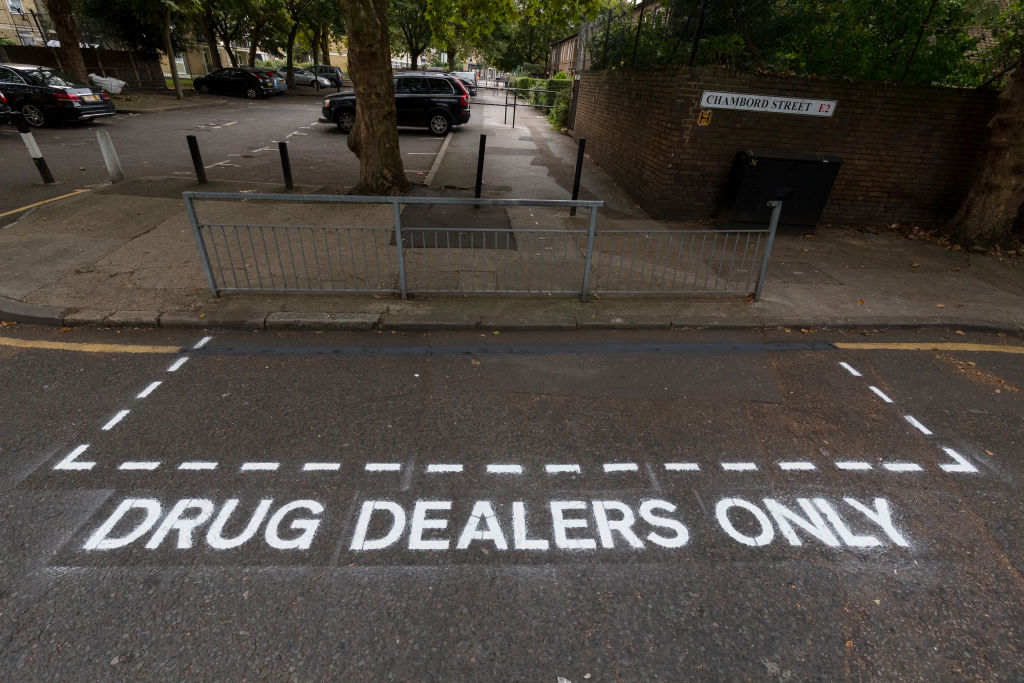
The drug trade also has a wider impact on local communities. Parks, playgrounds and housing estates can become regular meeting points for dealers and users, making many residents reluctant to use public spaces that were once central to community life. Parents often report avoiding parks where drug dealing has become commonplace, while elderly residents can feel intimidated by the presence of gangs congregating outside their homes.
The contrast with many Asian countries is striking. States such as Singapore, Japan and South Korea generally have far lower levels of visible street drug sales, reflecting a combination of strict enforcement, severe legal penalties, cultural stigma and comparatively lower rates of illicit drug use. While approaches differ widely across Asia and some countries have faced criticism over the severity of their drug laws, public drug dealing and open drug consumption are far less common than in many Western cities.
The social costs of widespread drug use extend well beyond addiction itself. Drug dependency fuels organized crime, increases pressure on healthcare and policing, contributes to homelessness and family breakdown and leaves vulnerable people exposed to exploitation such as cuckooing. Unless governments can reduce demand for illegal drugs as well as disrupt criminal supply networks, gangs will continue to find new victims and new communities to exploit.