Once Sulyok receives the amendment, he will have five days to sign it or refer it to the Constitutional Court for review.
Prime Minister Peter Magyar has warned that if Sulyok does not sign the amendment within five days, Parliament will launch impeachment proceedings against him. Ahead of the vote, Magyar told Parliament: “It would be a betrayal of the Hungarian nation if we did not touch this constitution.” He added: “They (Fidesz) arranged the country in such a way that one man's will became the source of legislative work... The Tisza Party won a clear, huge two-thirds mandate to dismantle this system.”
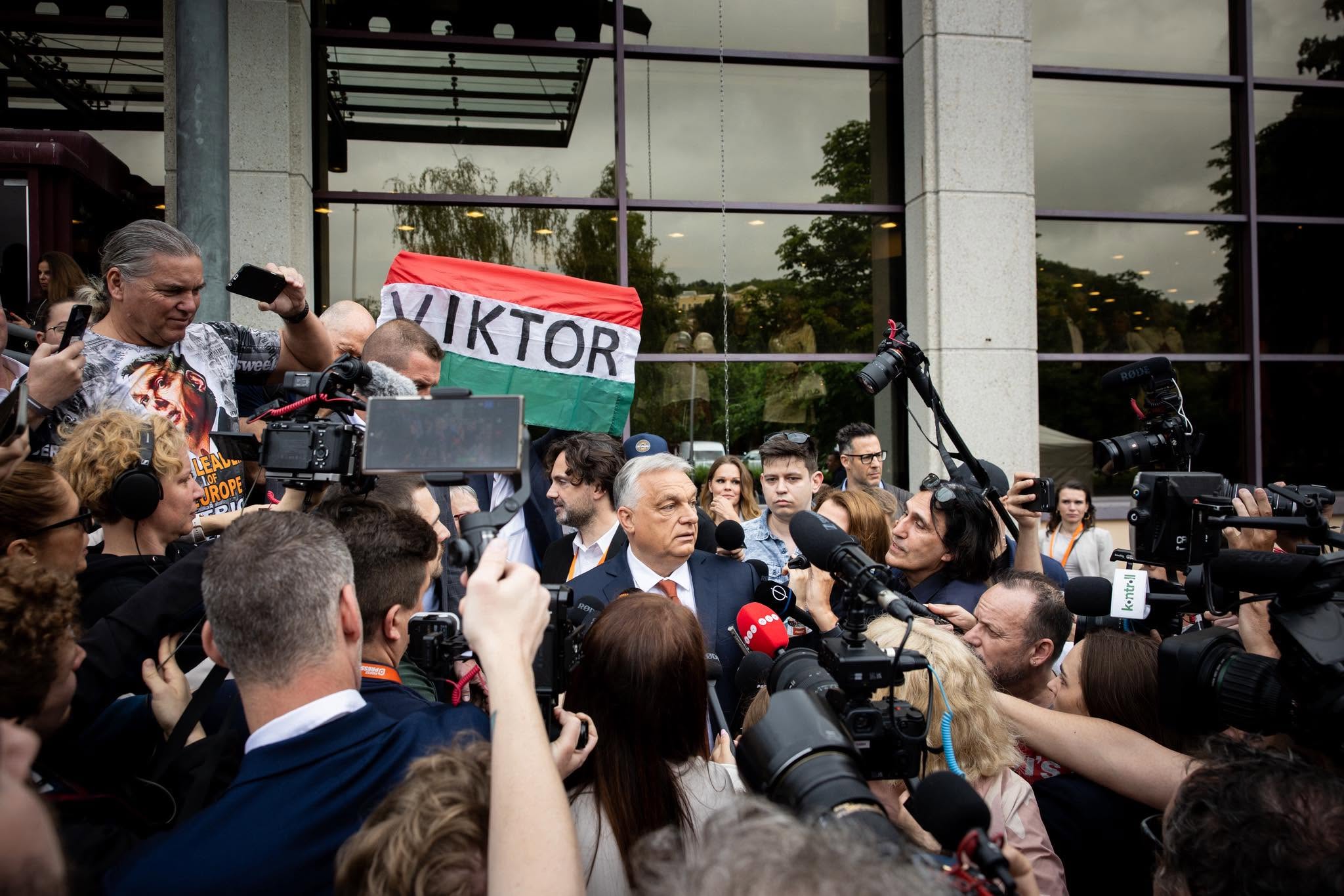
Magyar has long described Sulyok as a “puppet” of former Prime Minister Viktor Orban, who stepped down this spring after losing the election, bringing his 16 years in power to an end.
An Overhaul of the Judiciary
The constitutional changes will also have far-reaching consequences for the composition of the Constitutional Court. The amendment introduces a retirement age of 70 for its justices, requiring those affected to leave office on 1 September.
Those forced to step down include Peter Polt, the former prosecutor general and current president of the Constitutional Court, Maria Haszonics Adam, a former senior official in the Office of Parliament, Miklos Juhasz, the former head of the Hungarian Competition Authority and Zoltan Lomnici, the former president of the Supreme Court.
The terms of future justices will also be reduced from 12 years to nine. The president of the Constitutional Court will once again be chosen by its members rather than elected by Parliament.
Lower-court judges will gain substantial new powers, including the right to initiate the removal of the president of the Supreme Court and the president of the National Office for the Judiciary. According to Magyar, removing the controversial Supreme Court president, Andras Zs. Varga, would require the support of two-thirds of the judges taking part in the vote. The procedure will be set out in greater detail in separate legislation.
Fidesz Veterans Barred from Future Elections
The amendment also introduces unprecedented restrictions on eligibility for election to Parliament. Anyone who has served as an MP for a total of 12 years or has been elected three times will be barred from standing in the next general election.
The measure will immediately remove numerous senior figures from the former governing coalition from contention. Following its passage on Monday, Gergely Gulyas resigned as leader of the Fidesz parliamentary group, arguing that the caucus could not be led by someone barred from seeking office again.
Parliament has also established the National Asset Protection and Recovery Office to combat the unlawful misuse of public funds. The new body will be able to exercise prosecutorial powers and trace state assets that have been unlawfully managed or removed from public ownership.
Although the new government presents the reform as necessary to remove the former government’s influence from state institutions, the removal of the president and the retrospective parliamentary term limits have drawn immediate criticism from the right-wing opposition and human rights organizations.
Legal experts have also questioned whether a blanket retrospective restriction on the right to stand for election would survive scrutiny by the European Court of Human Rights.
(max)