
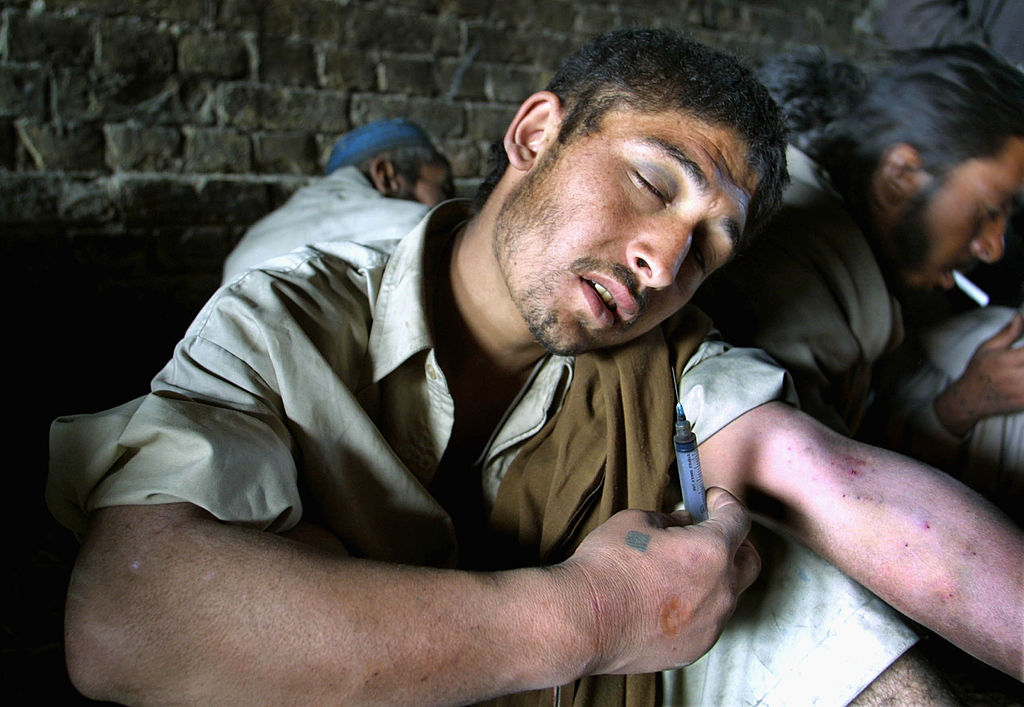
In the space of a week, two young men died from drug-related causes in my local area, providing families and friends with a painful reminder of the growing prevalence of drugs in Ireland and Europe more broadly.
The continent has seen a steady rise in illegal drug use over the past two decades, with COVID-19 accelerating the trajectory. Figures from 2024 indicated that almost a third of Europeans aged 15-64 reported consuming an illegal drug at some point in their lifetime, while drug-induced mortality in the same age group rose from an estimated 15 deaths per million people in 2019 to 25 per million in 2023.
In Ireland, recent figures are not readily available, but the evidence is still stark and in line with the EU average; 31% of 15-64-year-olds in 2019-2020 said they had consumed illegal drugs at some point in their lives, compared with 18% in 2002-2003.
The problem is not isolated to poorer communities; affluent, middle-class areas like my own are no strangers to the issue anymore, with cocaine use becoming particularly prevalent.
Policy Debates
At a policy level, the established narrative is that drug-induced deaths are a sign of the need for the destigmatization and legalization of illegal drug use, turning to mental health care and state-run drug-consumption facilities to address the problem. The direction of travel for several European states over the past two decades has been along these lines, particularly for cannabis.
On the opposite side are the minority who argue for stricter enforcement of laws against drug use and a crackdown on criminal gangs spiraling out of control in countries like France and more recently Germany.
However, in my experience, as a young person who has moved in middle-class communities where drug use is quite widespread, there is an element of truth on both sides.
There is a case to be made for community intervention and targeted support, just as there is a case that lax enforcement of already softened laws has led to a proliferation of drug use and enabled an escalation of gang violence.
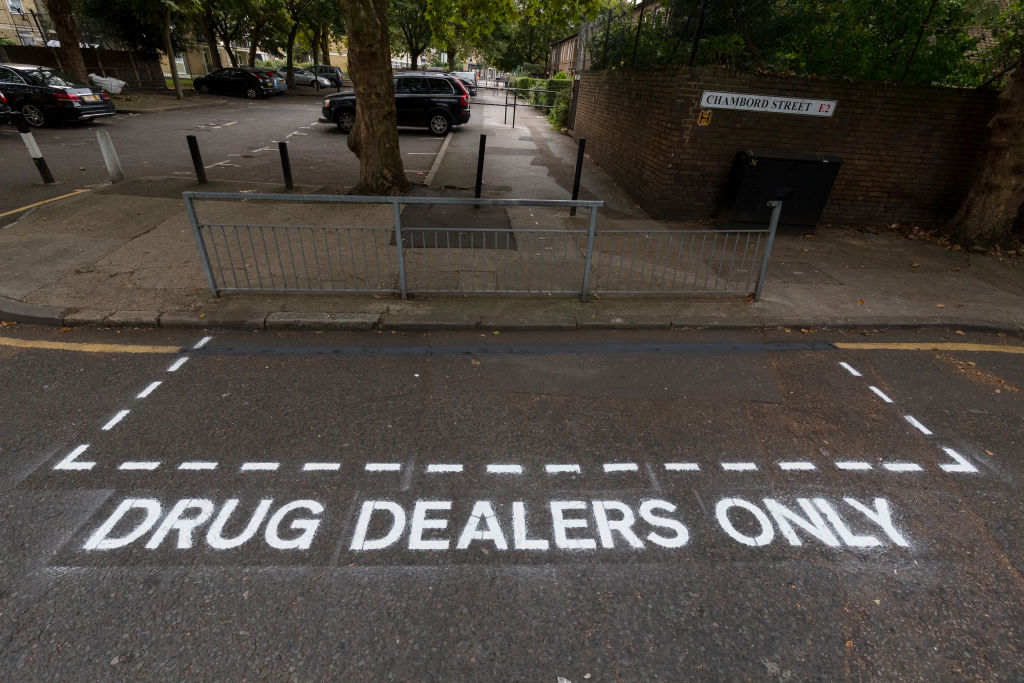
Drugs and Despair
Both sides treat the problem as a matter of finding the correct policy when the real issue I see among my peers is much deeper: an existential despair and loneliness that drives them to seek an escape.
For instance, drug use was quite widespread among my friends in college, though thankfully few have succumbed to serious addiction. I asked them why they did it, and at first the answers were surface-level and predictable: having a good time or getting a buzz.
But as I probed deeper, there was a disturbing philosophy lying behind it, outlined by one young man – to him, happiness was a brief experience of elation in an otherwise empty life. The altered states of a drug-fueled mind were an escape from that meaninglessness and also an expression of human happiness.
My experience speaking with Christian charities and being involved in charitable outreach myself in some of Ireland’s cities has largely confirmed that my friend was not alone in this view.
For many people – men in particular – escaping drugs and substance abuse requires finding an alternative way of life that offers meaning and a deeper understanding of happiness.
While mental health clearly played a role in some cases, deaths and addiction within my friend groups have also affected otherwise healthy people who grew up in good homes with loving parents. They were drawn into drug use by a deeper crisis: the absence of meaning and direction in their lives.
A Permissive Culture
They were enabled in their bad decision-making by a culture of permissiveness and nihilism, evident in the likes of weed advocate Seth Rogen and more subtly in cultural products like the iconic 1990s rap song Life’s a B—, which contains the refrain: “Life’s a b— and then we die, that’s why we get high.”
Drug gangs commercialize this culture, offering their product as a means of escaping a humdrum existence, while more liberal laws intended to tackle the drug crisis instead serve to reinforce this permissive attitude and fail to address the influence of gangs.
Germany is a case in point: the relaxation of laws around cannabis possession since 2024 has coincided with increased drug use and gang violence.
Laws not only govern arrests and convictions but also indicate the type of culture we want, directing our habits and desires. To address both the cultural problem and gang activity, I believe that drugs such as cannabis and cocaine should not be legalized and that existing laws should be better enforced.
The Success of Alcoholics Anonymous
However, my experiences suggest good laws and enforcement will not be sufficient without a corresponding social campaign offering tighter community networks and real meaning in people’s lives.
This is exactly the model of one of the best-known and most successful organizations in tackling addiction – Alcoholics Anonymous (AA).
The long-established organization has frequently been championed for its success in helping addicts to recover, but not as much attention has been paid to how it achieves it. Only in recent decades have studies started to examine more closely why its methodology works, identifying the importance of mutual support and spiritual practices.
Its emphasis on sobriety, its use of former addicts as mentors and its invitation to recovering addicts to place their trust in a higher power involve both reforming the society in which a person moves and reordering an addict’s priorities.
The success of AA is something that conservatives should be examining closely as policymakers consider how to tackle the scourge of drug use and addiction.
While better laws will provide better direction to citizens and give the authorities greater powers to tackle gangs, it is only through a concerted campaign of the kind AA models that we can address deeper problems, rescuing people from a permissive, nihilistic culture and instead offering a meaningful alternative.