Iran and Oman have made progress in negotiations over the future management of the Strait of Hormuz and revenues from the strategic waterway, Iranian officials said on Wednesday.
Iran’s Revolutionary Guard Corps (IRGC) said Iran and Oman had reached agreement on their respective shares of the Strait of Hormuz and its revenues, although a senior Iranian source said the details of a final accord were still being negotiated.
IRGC spokesman Hossein Mohebbi also stressed that the waterway would remain closed unless the United States accepts Tehran’s conditions set out in a US-Iran memorandum of understanding reached in June. The arrangement was part of the interim ceasefire that later unraveled. Iran is demanding an end to the US blockade of its ports, compensation and the removal of sanctions.
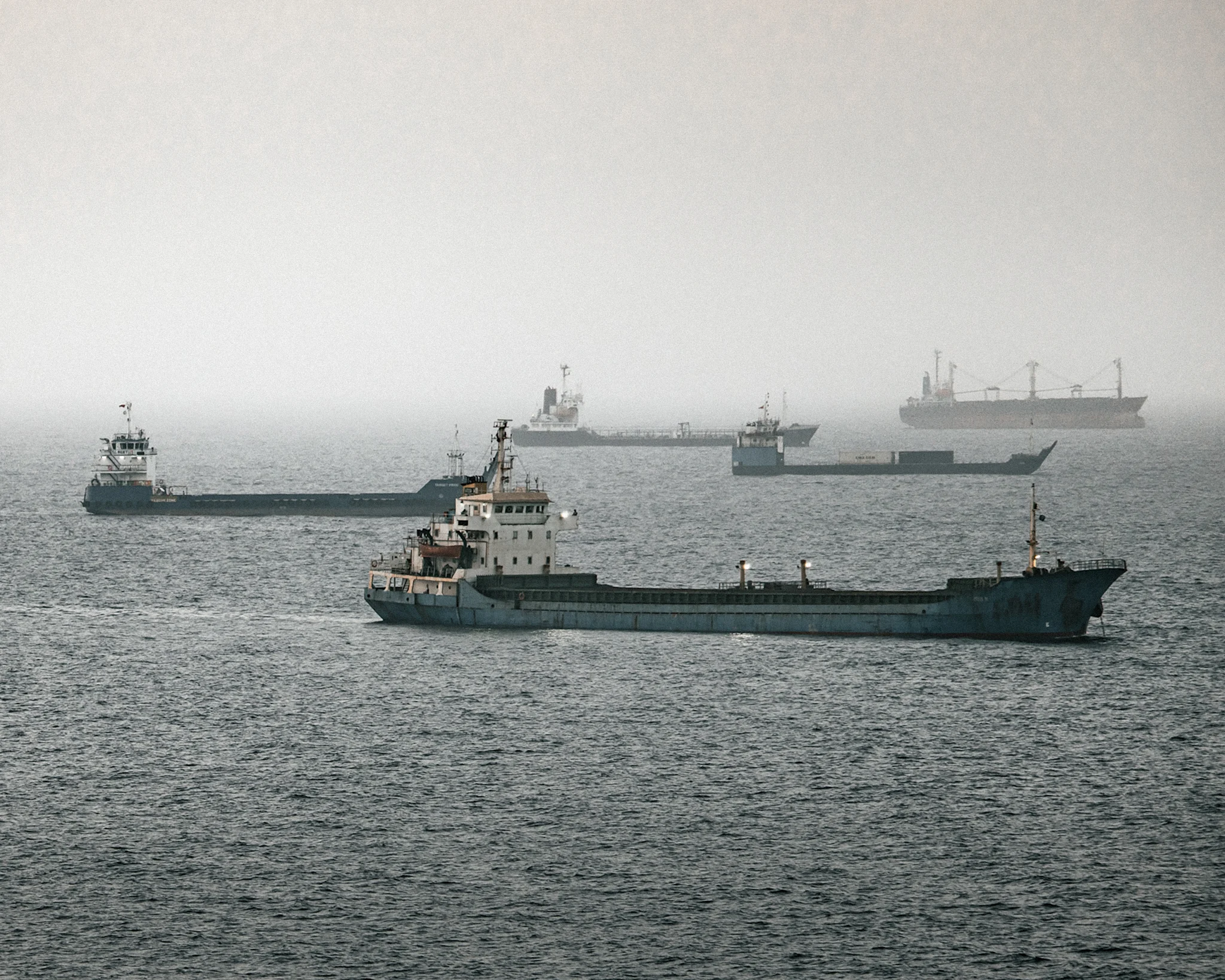
Shipping through the region has largely ground to a halt since the war began on 28 February with US and Israeli strikes on Iran. Although direct fighting has subsided in recent weeks, attacks on ships have made passage through the strait dangerous and diplomatic efforts to reach a peace agreement have stalled.
Before the war, the Strait of Hormuz handled about one-fifth of global oil and liquefied natural gas shipments. Since then, both Tehran and Washington have sought to assert control over the waterway and imposed separate blockades.
Tehran blacklisted 45 ships on Sunday in an apparent attempt to prevent ship-to-ship transfers used by Gulf energy producers to circumvent the Iranian blockade. Some companies are reportedly planning to stop using vessels on the blacklist.
Washington, meanwhile, has threatened penalties against countries that continue doing business with Iran, although it has said these will not be imposed immediately. Tehran has condemned the US campaign to isolate its economy and expressed confidence that many countries will refuse to join it.
Despite the continuing tensions, oil prices fell by more than 1.5% on Wednesday, declining for a third consecutive day amid signs of renewed mediation efforts to end the conflict.
You might be interested
Europe’s Answer to the Oil Shock Is Yet Another Tax
Tehran and Muscat Plan Shipping Regime
On 18 May, Iran announced the formation of the Persian Gulf Strait Authority (PGSA), a body intended to regulate and administer shipping and transit through the strait. The agency became a target of US sanctions shortly thereafter.
Two days later, the authority published a map claiming regulatory control over a zone extending into waters Oman regards as its own.
US President Donald Trump warned Oman against cooperating with Iran on 17 August, threatening to bomb the country if it stood in Washington’s way.
The IRGC has accused the United States of obstructing the negotiations between Tehran and Muscat and blamed Washington for delaying an agreement.
Following talks between Iran and Oman on Tuesday, Omani Foreign Minister Badr Albusaidi said he hoped the two countries would soon be able to announce a temporary corridor through the Strait of Hormuz and arrangements to restore safe navigation.
Mohebbi said the understanding reached with Oman did not in itself mean the strait would reopen. He said Iran would open the waterway if Washington stopped obstructing the talks and returned to the June agreement, but warned that it would remain closed if the United States refused to accept Tehran’s conditions.
(Reuters, max, sab)

