
However, the European Commission has postponed the presentation of the package for the time being. The reason for this is increasing pressure from the administration of US President Donald Trump, who is demanding that the EU immediately stop importing Russian oil and gas and impose tariffs on China and India—the largest consumers of Russian energy.
Trump wants to use this to hasten the end of the war in Ukraine. He portrays fuel exports as the most lucrative source of income that helps Russia finance the war.
Although Brussels plans to phase out imports completely by 2028, Washington wants faster action.
However, according to two EU diplomats involved in the negotiations, there is little interest in this. “Member states need time to adapt and find alternative sources,” said one of the diplomats.
A new date for discussions on the 19th package has not yet been set by European representatives.
Hungary and Slovakia complicate the situation
Before the war in 2021, the EU imported a large part of its energy from Russia – up to 45 percent of its gas and 27 percent of its oil. Last year, these shares fell significantly, to 19 percent for gas and only three percent for oil.
However, Hungary and Slovakia are making it difficult to completely turn away from Russian resources.
Both countries claim that they still need Russian oil. They therefore have a temporary exemption that allows them to import oil via the Druzhba pipeline that runs through Ukraine.
According to statements made to Politico by three European officials who did not want to be named, the European Commission sees Trump's demands as further pressure on Hungary and Slovakia to reduce their dependence on Moscow.
EU Energy Commissioner Dan Jørgensen will enter into negotiations with both countries in the coming weeks.
American LNG reaches its limits
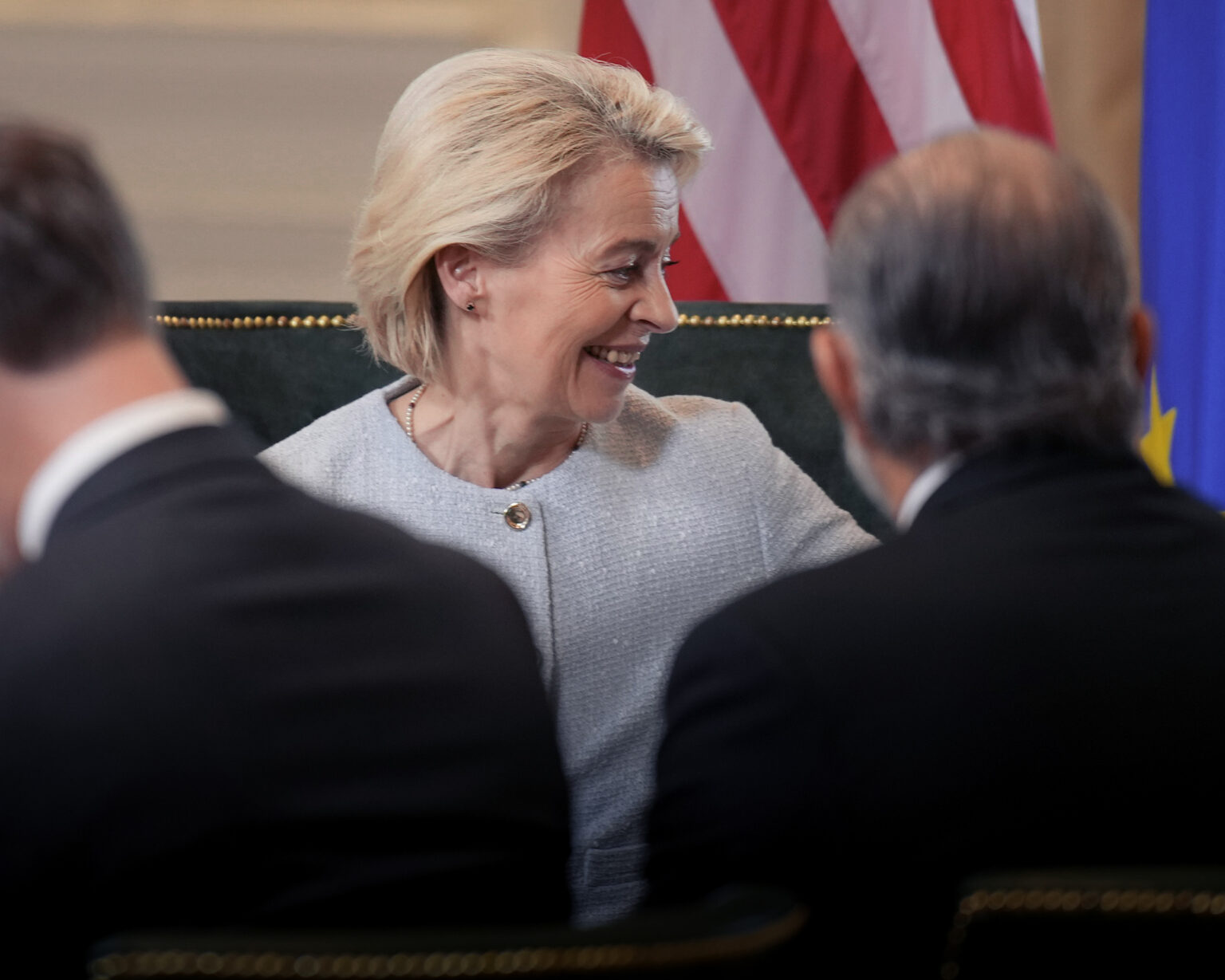
Trump wants Europe to replace Russian raw materials entirely with American liquefied natural gas. At a meeting with European Commission President Ursula von der Leyen, he secured a commitment that the EU will purchase at least $750 billion worth of American oil and gas by the end of his term in office.
However, according to analysts, this goal is practically unattainable, notes Politico. Last year, the EU spent €375 billion on energy imports, of which only €76 billion came from overseas. To keep its promise, it would have to triple its imports from the US and restrict other suppliers, such as Norway, which offers cheaper gas.
In addition, the US exported $166 billion worth of oil and gas last year, which means it would have to divert virtually all of its exports to Europe.
In the first quarter of 2025, American LNG reached a 50.7 percent share of the European market, while Russia held a 17 percent share thanks to older contracts. The REPowerEU plan calls for a halt to energy from the Urals, but companies fear legal disputes.
Furthermore, according to Politico, the European Commission has not yet presented a mechanism that would motivate private companies to buy more American gas.
The EU also does not want to take action against India and China
At the same time, Trump hinted that the US would not impose further tariffs on China as long as European countries did not impose their own punitive tariffs on China and India.
However, EU representatives are skeptical, claiming that tariff measures against the two Asian countries are not up for debate.
“This is a challenging proposal (from Trump),” one of the EU diplomats told Reuters news agency. “Even if his demands are deliberately exaggerated, they still force us to deal with them in some way to prevent him from shifting the blame onto the EU,” he added.
(reuters, lup, est)