
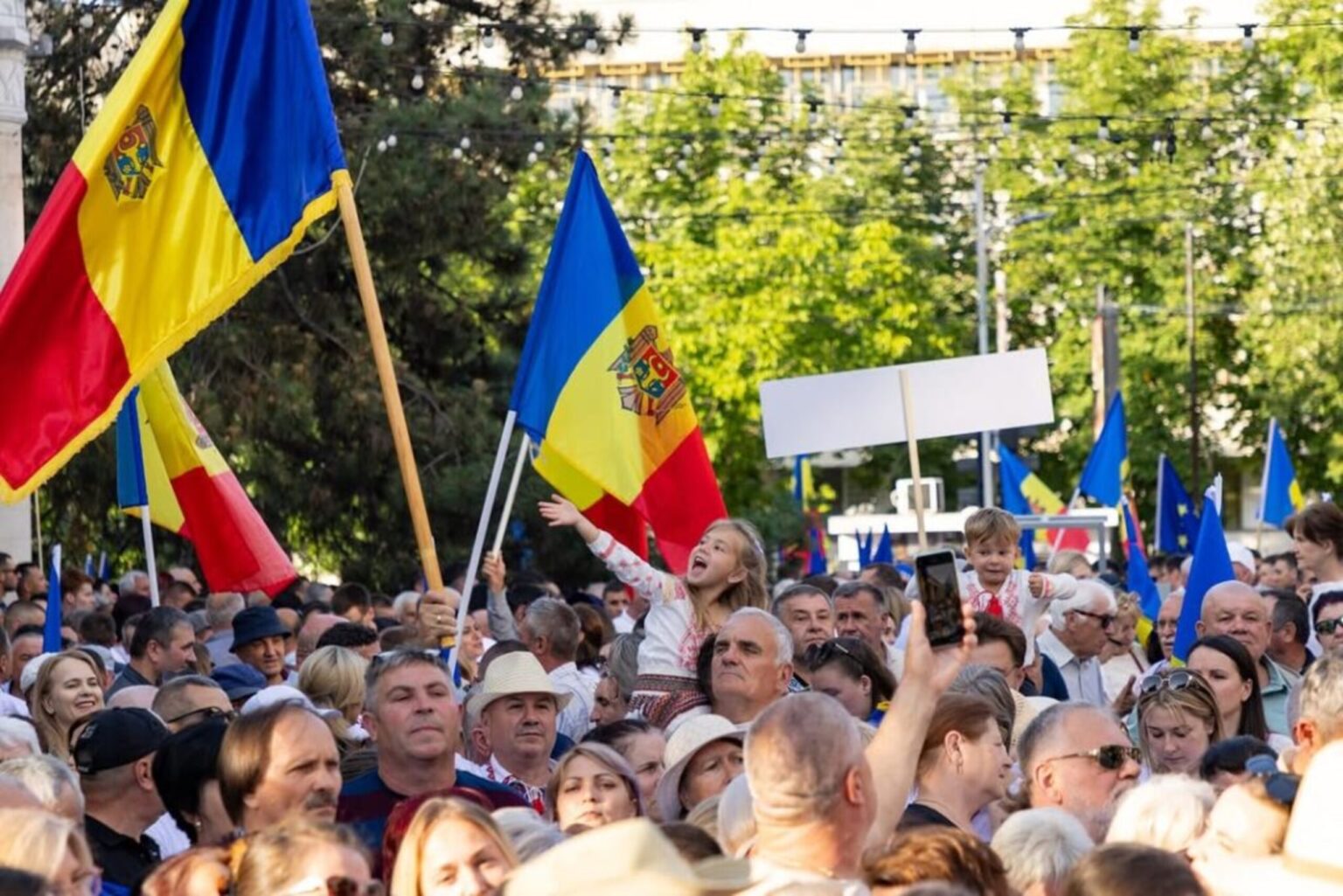
On September 28, 2025, parliamentary elections were held in Moldova, drawing the attention of the media and statesmen from all over Europe to this small country. Štandard followed the elections directly on site in Chișinău.
The victory of President Maia Sandu's pro-European ruling party, the Party of Action and Solidarity (PAS), means that Moldova will continue its European integration, which Moldovans had called for in a referendum in 2024 by a narrow majority.
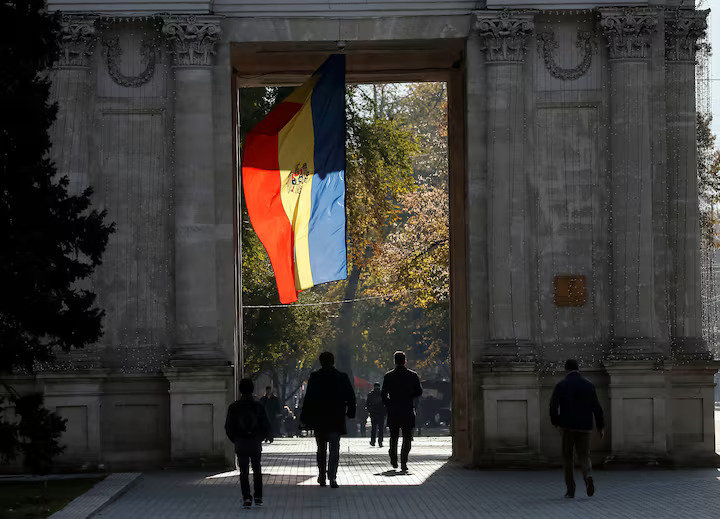
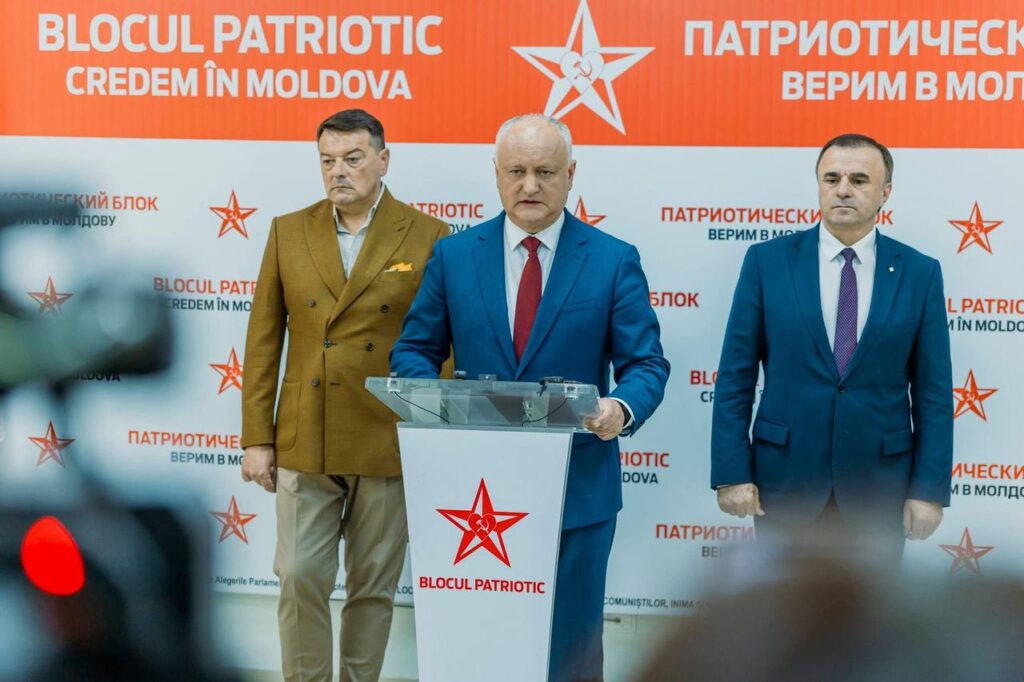
The PAS received 50.2 percent of the vote in the elections and will thus occupy 55 seats in Moldova's unicameral parliament. Igor Dodon's pro-Russian Patriotic Electoral Bloc (BEP) came in second with 24.17 percent of the vote, securing it 26 seats.
The Alternative (BA) political bloc, founded by Chișinău Mayor Ion Ceban, was chosen by 7.96 percent of voters. This gives the BA eight seats and makes it the first parliamentary alternative for pro-European voters who do not support Sandu's PAS.
Six seats went to the pro-Russian party Naša strana (PN) with 6.2 percent and the right-wing party “Demokracia doma” (PPDA) with 5.62 percent of the vote, whose long-term goal is the reunification of the two countries with Romanian as the official language: Romania and Moldova.
“Durak Durov”
Štandard was also out on the streets of the country's capital the day after the elections, once again gathering the opinions of residents. Since the moratorium had already ended, we were able to ask more specific questions than on election day.
However, the atmosphere of fear had not changed even after the elections – neither the voters of the pro-European nor the pro-Russian parties wanted to be photographed or filmed, and the vast majority also refused to have their answers recorded on a dictaphone.
The co-founder and CEO of the social network Telegram, Pavel Durov, published a post on his channel at 1:31 p.m. (CET) on election day, in which he wrote, among other things, that the Moldovan government had asked him, via the French secret service, to remove some opposition Moldovan channels on Telegram.
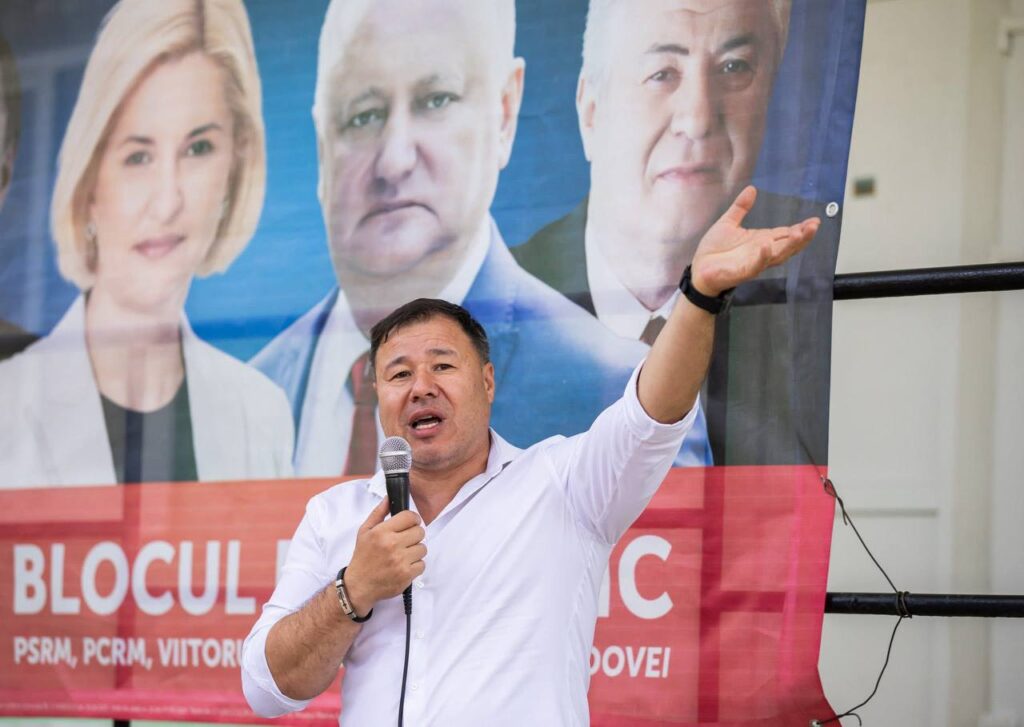
“This just proves that patriotic parties have every right to accept money from Moscow in order to have a chance to oppose the government,” comments a long-time voter of our party on Durov's statement.
According to a fruit and vegetable vendor with a stall three kilometers from the city center, “Durov is a durak [Russian for ”fool," editor's note]. He deliberately published this on election day, and the Kremlin sycophants, who would love to throw us into the Commonwealth of Independent States (CIS) or even the BRICS countries, exploited this accordingly on social media."
Štandard's question about Durov surprised no one, as social media in Moldova spread the news faster than foreign media. Respondents reacted differently to this.
Voters for pro-Russian parties condemn PAS's demand to Durov as “dishonest political maneuvering,” while supporters of European integration see it as “one of the few effective measures against the opposition, in which Moscow is investing millions.”
Nationality as a factor?
Neither the foreign language that respondents chose to communicate with Štandard – i.e., English or Russian – nor their nationality provided any insight into their political affiliation. The only exception were respondents of Gagauz origin, who voted for Dodon's BEP without exception.
Vladislav emigrated from the Moscow region of Russia in October 2022 and “to my surprise, I found that I earn about 30 percent more here – in a company that benefits significantly from exports to the EU,” said the Moldovan, who voted for the PAS. He adds that some young people support Euro-integration even without the president's party.
A young teacher says she voted with the future of her two children in mind. "Opposition supporters talk about dangerous migrants in the EU, but they turn a blind eye to the dangerous migrants in Russia because Russia is sacred and Moscow must not be criticized. I don't want my children to grow up in a kind of imitation of the USSR. Of course I voted for the PAS," she explains while walking with her stroller in the Mill Valley (Valea Morilor) in Chișinău.
“I hope that the government will finally come to its senses and implement the real reforms that the country has been waiting for so long. I hope that the process of European integration will accelerate,” says the young citizen, who accuses the ruling PAS party of inflation, the devaluation of incomes, price increases, and its undemocratic measures to “ward off the Russian threat.”
He adds that the BEP consists of “communists, socialists, and other leftists with a longing for the USSR who dream of bringing Moldova back.” Everyone remembers the presidency of the current BEP leader, Igor Dodon: “The country became impoverished, reforms failed to materialize, and corruption flourished.”
Dmitrij, a young Russian-speaking citizen of Gagauz origin who voted for the BEP, criticizes, like the previous interviewee, the strong polarization of society and the division “into good and evil.”
He disapproves of the fact that Moldovan emigrants living in Russia had only two polling stations available to them. At the same time, he expressed his conviction that if Chișinău continues to ignore the opinion of Gagauzia in the long term, “this could lead to people no longer wanting to live in the same country as the Moldovans.”
30-year-old Andrej, who teaches at a university, also voted for the BEP. “I am against the war they are preparing us for,” he began his answer. According to him, the Dodon Bloc government would “deepen cooperation with Russia, where more than three hundred nations live together peacefully and fascism has no place.”
He also criticizes mass migration to EU countries and “the destruction of nature in the Union. And that is now happening here too. Our vodka brands have almost disappeared from the shelves,” adds the university teacher.
“With Dodon, we would have gas for five lei, but now we have anti-Russian sanctions, Euro-integration, and help for fascists,” says Gagauz Ivan about the well-known opposition narrative about gas.
A saleswoman who criticizes the designation of Romanian as the official language and the “undemocratic and anti-Russian measures” of the Sandu government also voted for the BEP.
She also disapproves of “the price increases and the aid for the Ukrainians who have come to us—without the PAS, there would be neither,” she says.
Two pensioners also gave their answers. “Thanks to the bravery of the Ukrainians, but also of our boys from Getici [Romanian combat group ”Getica," consisting of Romanian-speaking citizens of Romania and Moldova, editor's note], we are not bordering Russia for the time being. However, if the Dodonovci had won the elections, they would have let more Russians into occupied Transnistria, and that would have been the end,“ says one of them.
The other adds that both voted for the ”Alternativa" political bloc because they want the country to become part of the EU. At the same time, however, they have reservations about the PAS, which they accuse of being too slow in fighting corruption, the inaccessibility of housing for young families, and general inflation. They are glad that they have contributed in their own small way to the emergence of a pro-European opposition in parliament.