
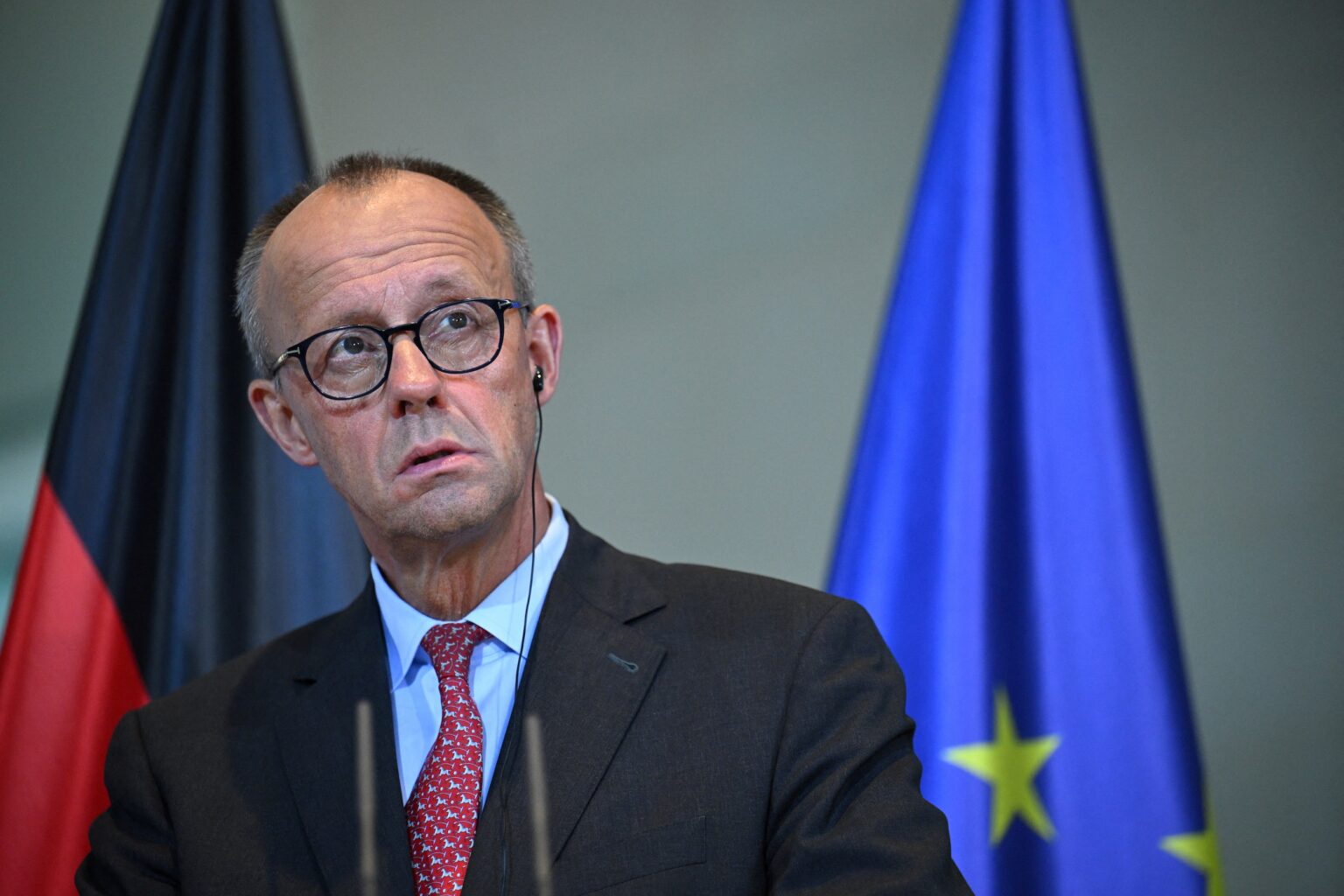
German Chancellor Friedrich Merz stated that his goal is to bring the German economy back to the top of Europe.
He was responding to the ongoing decline in economic output and bureaucratic obstacles, which, according to a study by the Ifo Institute, cost the country nearly €150 billion in lost production annually.
At a press conference at the Borsig Palace in Berlin, Merz presented the so-called modernization agenda—a package of 23 concrete measures designed to make the state function more efficiently and promote growth.
The most important pillars are the digitization of services, artificial intelligence in public administration, and the simplification of administrative processes.
Specific projects include, for example, centralized online vehicle registration, the possibility of setting up a company within 24 hours, and the use of artificial intelligence to review visas and court decisions. The recognition of foreign qualifications, especially in the health professions, is also to be accelerated.
Merz's cabinet plans to establish a digital agency to facilitate the migration of skilled workers and their integration into the labor market.
Merz also stated that several draft bills are to be submitted to the Bundestag in October so that they can be passed before the end of this year.
According to the cabinet, a 25 percent reduction in bureaucracy could yield savings of up to €16 billion.
As part of its efforts to promote technological change, the government has also approved a plan to build a nuclear fusion reactor, for which it has allocated €1.7 billion, as well as a draft law to accelerate the expansion of hydrogen infrastructure.
(reuters, lud)