
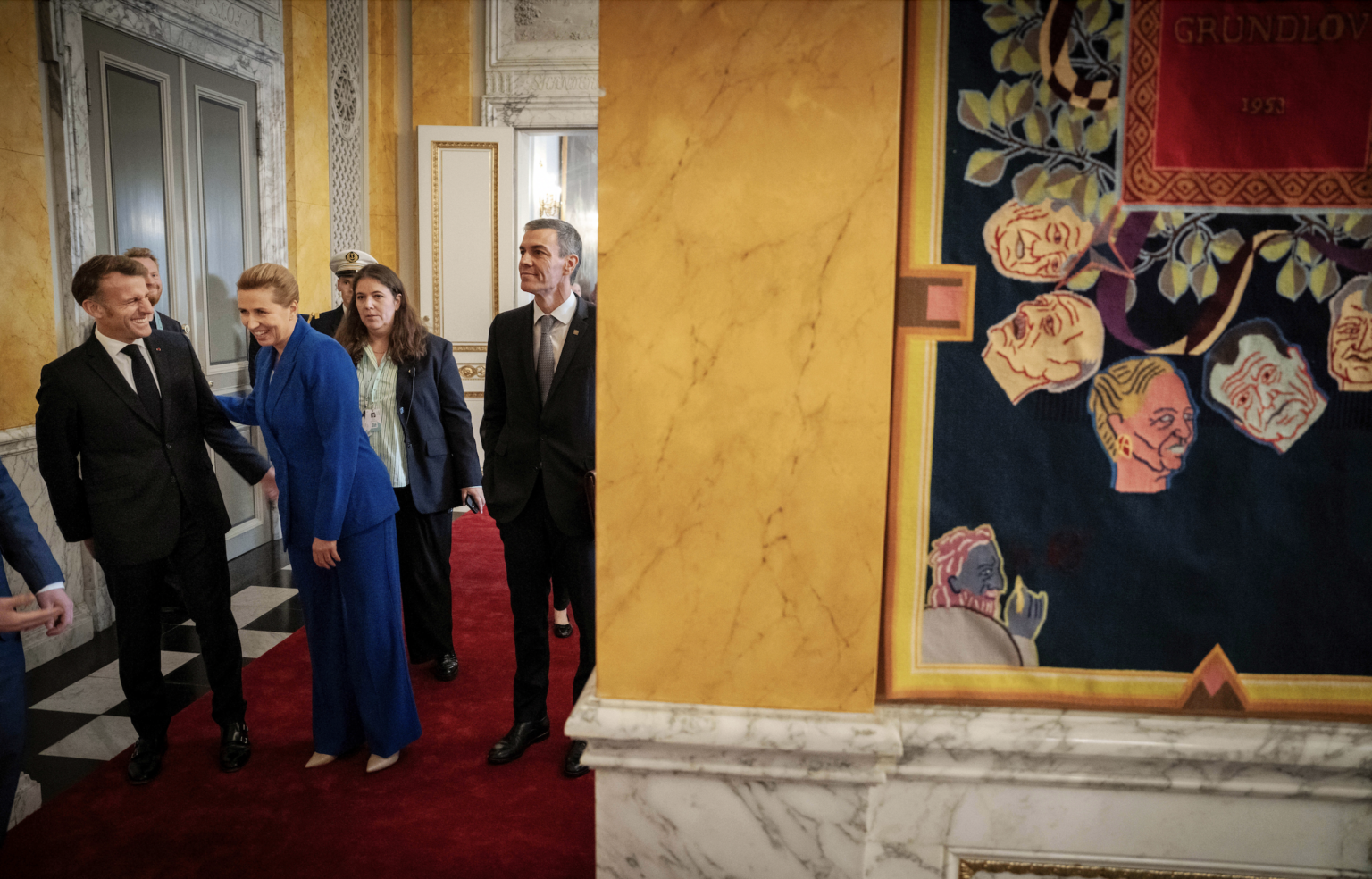
The presidents and prime ministers of the EU member states were unable to agree on most of the key issues at Wednesday's informal summit in Copenhagen, including the use of frozen Russian assets, speeding up Ukraine's accession process, and building a European “anti-drone wall.”
Politico magazine reported, citing sources familiar with the negotiations.
Enlargement of the Union
The idea of accelerating the EU enlargement process for Ukraine was apparently particularly controversial. Council President António Costa wanted to use the summit to reach an agreement on abolishing the unanimity requirement for the admission of new states.
As expected, this move met with resistance from Hungary, as Prime Minister Viktor Orbán is blocking Ukraine's accession to the EU. According to three unnamed diplomats, no change is expected on this issue.
Frozen Russian assets
According to Politico, the use of frozen Russian assets worth €140 billion to support Ukraine remains “out of reach.”
With US military aid to Kyiv running out and many EU governments struggling with budget problems, the EU Commission proposed using cash balances from frozen Russian central bank securities to support Ukraine in 2026 and 2027.
The Kremlin condemned the proposal as “pure theft.”
Belgium, where most of these assets are located, insists that it needs strong guarantees from the EU before agreeing, so that it is not left alone to face Moscow if the Russian funds suddenly have to be returned.
“There is no such thing as free money. There are always consequences,” Prime Minister Bart De Wever said Thursday in Copenhagen.
“I told my colleagues yesterday that I want their signature—if we take Putin's money and use it, we all bear responsibility if something goes wrong.”
Commission President Ursula von der Leyen said on Wednesday that the EU executive would further develop the plan and ensure that Belgium's concerns were taken into account.
“It is perfectly clear that Belgium cannot be the only member state to bear the risk. This risk must be spread across broader shoulders,” von der Leyen said.
Anti-drone wall
There was also disagreement over the approach to building an “anti-drone wall” on the eastern border of the Union. “Things should be a little more sophisticated,” said French President Emmanuel Macron before the start of the consultations.
According to two diplomatic sources cited by Politico, German Chancellor Friedrich Merz also criticized the proposals. Politico reports that the EU Commission will continue to work on the concepts—but possibly under a different name.
(reuters, est, politico)