
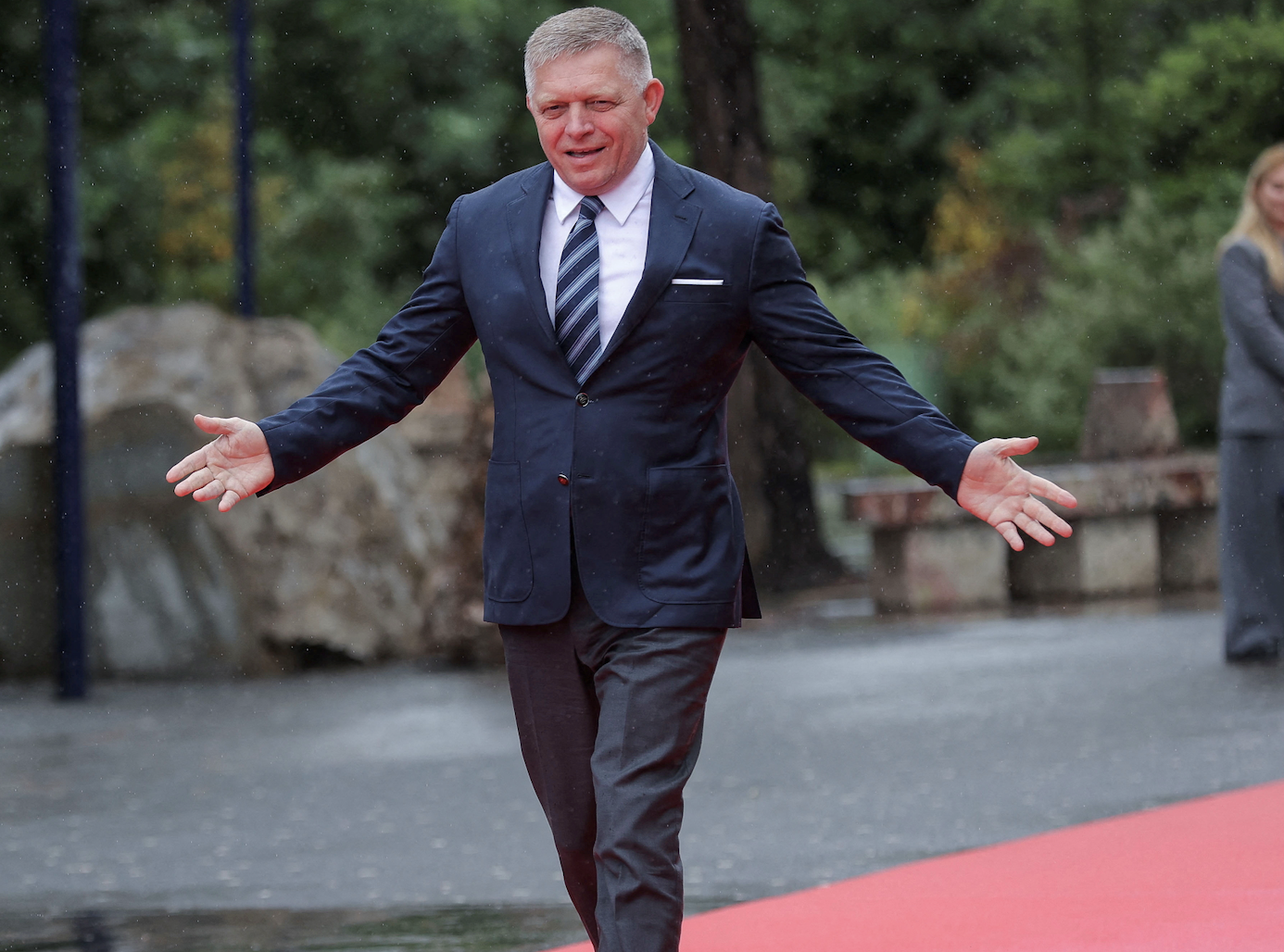
Slovakia and Austria are the last EU member states blocking the adoption of the 19th package of sanctions against Russia.
Slovak Prime Minister Robert Fico (Smer) has once again vetoed and rejected the proposal for a package that includes measures against Russian LNG, oil infrastructure, the so-called shadow fleet of tankers, cryptocurrencies, and restrictions on the freedom of movement of Russian diplomats in the EU.
After weeks of negotiations, according to the Euronews portal, both the technical and legal aspects of the package had been worked out, with only the final vote remaining.
However,
Slovakia and Austria reiterated their opposition on Wednesday and blocked the agreement during the meeting of permanent representatives in Brussels. This issue is expected to become one of the main points of contention at next week's EU summit.
Fico had no interest in dealing with the package
Fico refused to support new sanctions against Russia as long as the EU did not take concrete measures to resolve the crisis in the automotive industry and high energy prices.
After a phone call with European Council President António Costa, he expressed outrage that the EU summit was once again focusing heavily on Ukraine, while the central issues of European competitiveness were only vaguely mentioned. In his opinion, the draft conclusions of the summit contained only general phrases, while detailed decisions were devoted to Ukraine.
“I have repeatedly pointed out to Antonio Costa that I have no interest in dealing with sanctions packages against Russia as long as I do not see any political guidelines for the European Commission in the European Council's conclusions on how to deal with the crisis in the automotive industry and high energy prices, which are making the European economy completely uncompetitive,” said the prime minister.
Fico announced that Slovakia would present more detailed proposals on the energy and automotive sectors so that they could be discussed at the summit on October 23. At the same time, he confirmed that he would block new sanctions against Russia as long as these issues were not seriously addressed.
The Union could open Pandora's box
In addition to Slovakia, Austria has also become an obstacle in the negotiations on a new package of European Union sanctions against Russia. Vienna is demanding the release of the frozen assets of the Russian company Rasperia Trading so that it can pay €2.1 billion to the Austrian Raiffeisen Bank International after losing a legal dispute in Moscow.
However, some member states fear that if the EU complies with Austria's demand, it could open a Pandora's box and set a precedent that would weaken the entire sanctions regime.
The Austrian Foreign Ministry emphasizes that the country continues to support Ukraine and the sanctions, but at the same time wants to protect the interests of its companies.
According to Vienna, this is to prevent the sanctions from indirectly benefiting the aggressor by making it impossible to enforce legal claims against Russian companies.
Merz and Fico criticize green legislation
Slovakia, like Hungary, remains heavily dependent on Russian energy supplies. Fico has already changed his stance on sanctions once after receiving a letter from the European Commission containing non-binding commitments, including possible state aid to reduce energy prices.
Now, however, Fico is expanding his demands and criticizing legislation that would ban the sale of new cars with combustion engines from 2035.
This law has faced resistance from conservatives for years and has triggered strong lobbying reactions. German Chancellor Friedrich Merz said last week that he would do everything in his power to lift this harsh deadline.
Hungary would suffer if it were cut off from Russian energy sources, Hungarian Foreign Minister Péter Szijjartó said during his visit to Moscow, reiterating that the country would not accept external pressure when it comes to decisions about its energy supply.