
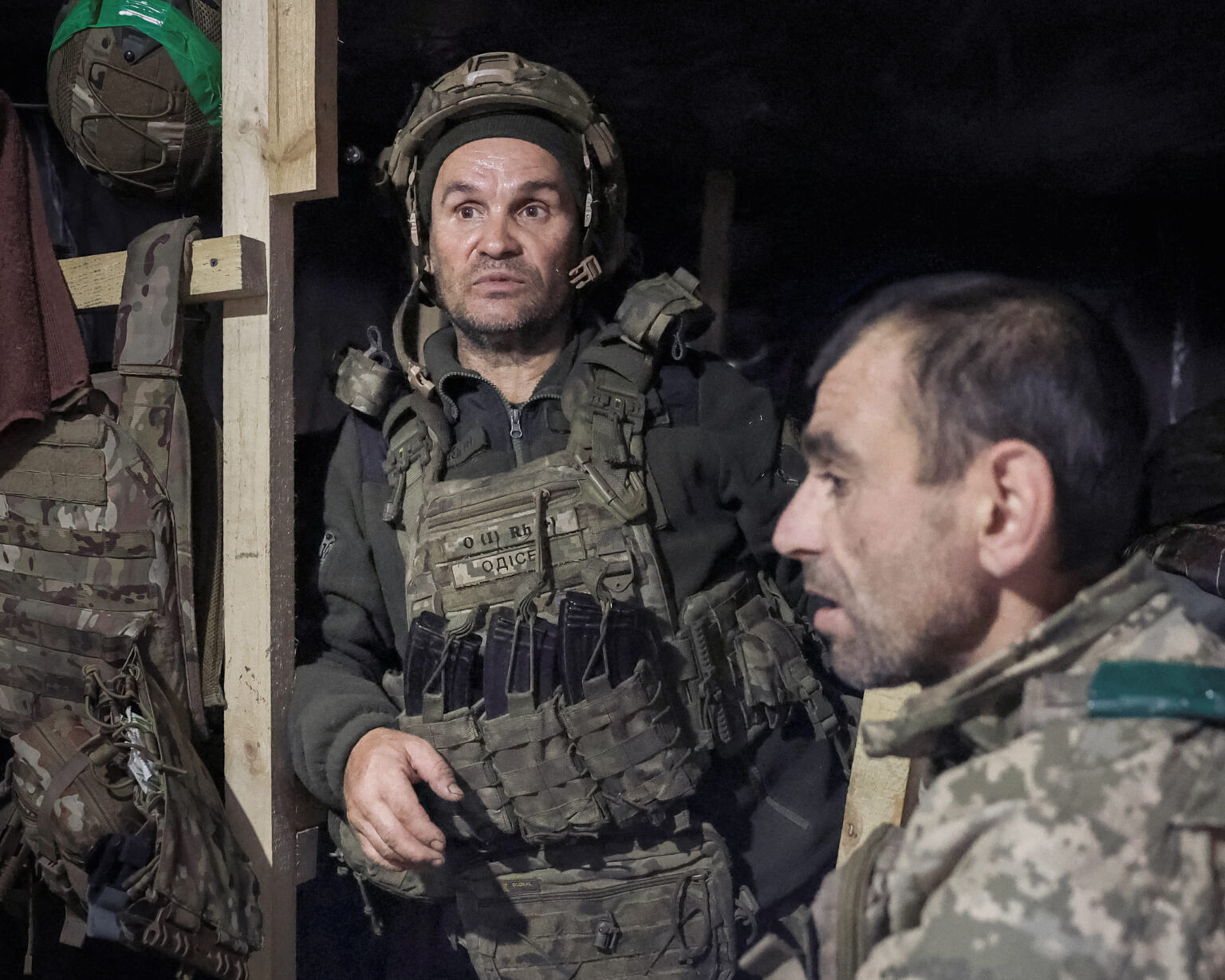
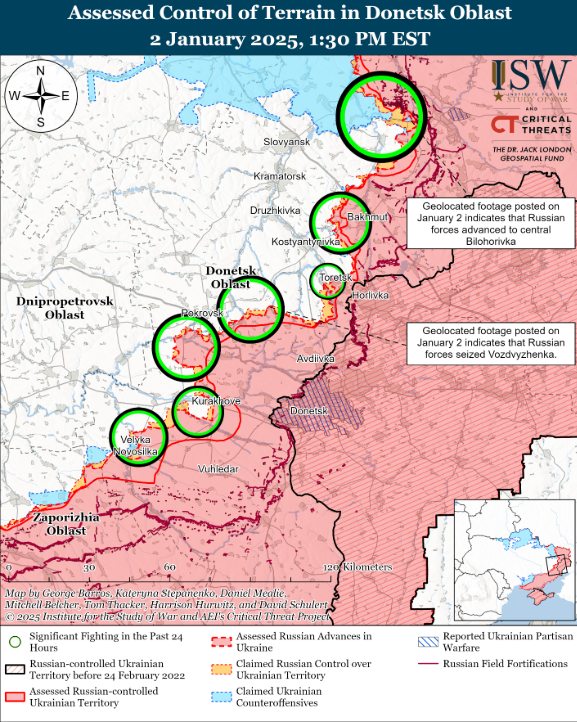
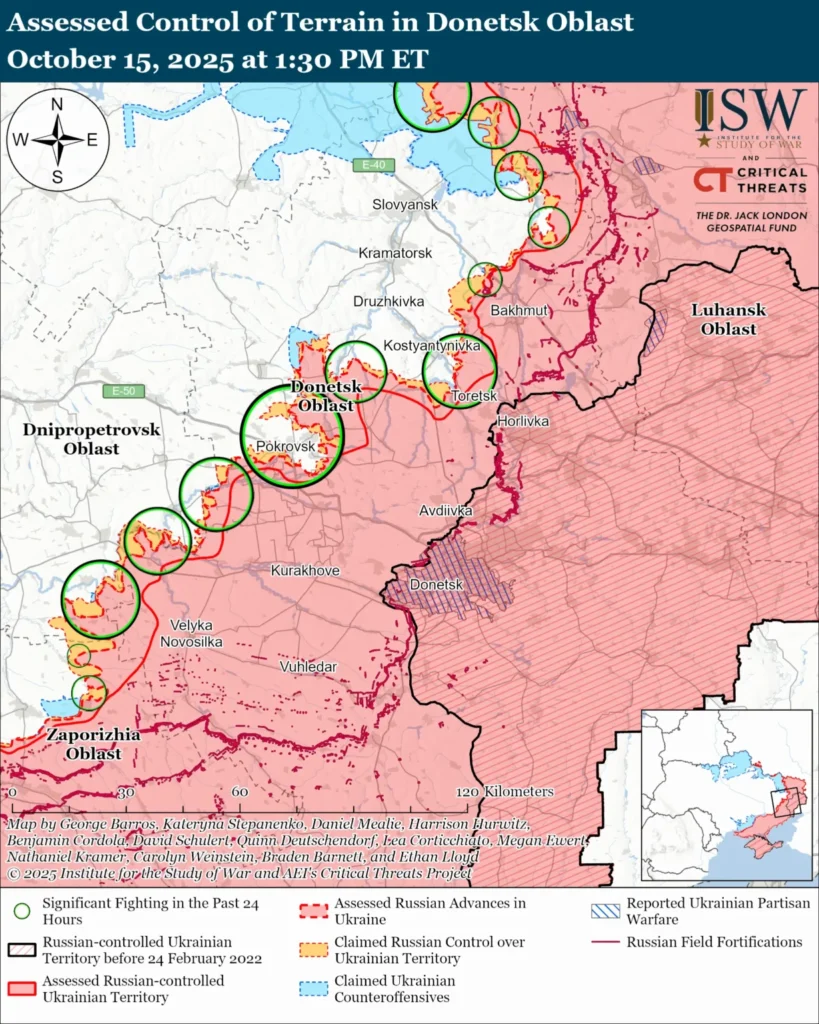
The latest developments on the Ukrainian front have been marked by a slow but steady advance by Russian forces. Since the beginning of this year, they have occupied around 5,000 square kilometers of territory and now control a total of around 115,000 square kilometers, which is roughly one-fifth of Ukraine.
For several months, the situation around two important Ukrainian cities – Pokrovsk and Kupjansk – has been deteriorating rapidly.
This is underscored by the fact that the authorities announced a forced evacuation in Kupjansk in October. The last remaining 700 or so residents are now also to leave the city, which had a population of almost 30,000 before the war. The evacuation affects not only Kupiansk, but also the southern municipality of Borova and the logistically important city of Izium.
Ukrainian defenders are practically surrounded on three sides in both cities. This has been the case in Pokrovsk since the summer, where fighting has been going on for over a year. After overcoming the natural barriers posed by the Kazennyj Torec River in the west and the Solona River in the south, they brought the defenders into a dangerous cauldron in July and August and are threatening their northern escape and supply route.
So far, however, they have not managed to take definitive control of the southern part of the city and advance into the northern districts, although they are constantly tightening the ring.
The gateway to conquering the rest of Donbass
Although Pokrovsk is now a ghost town with almost no one living there except the defenders, it is of great strategic importance. It is a major transport hub for the entire region, both for road and rail traffic. Military experts warned last year that the entire front line would collapse if Kyiv lost this defensive center.
Pokrovsk is located at a relatively higher elevation than the rest of the Ukrainian-controlled Donetsk region. Its capture would make it somewhat easier for the Russians to advance further west. It would open the doors to the cities of Kramatorsk and Sloviansk, which have a combined population of more than 100,000.
Military analysts have long pointed out that the Russian army's advance is likely to accelerate rapidly in the areas where the Donetsk plateau ends, which slowed the advance of the infantry. Today, however, almost the entire front line in this area, where Moscow is conducting its most intense operations, has retreated behind the chain of hills, and a plain is opening up before the attackers.
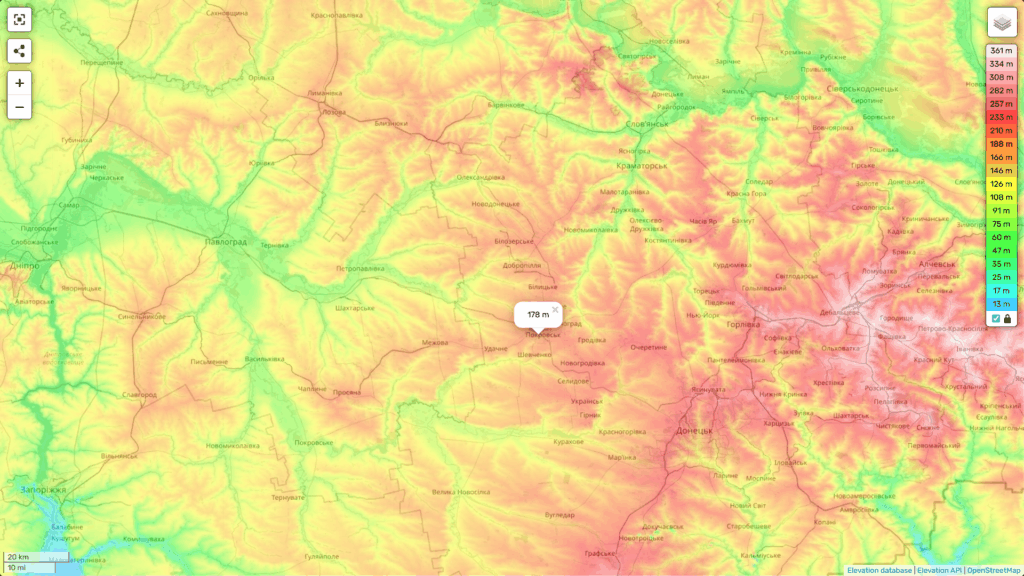
Nick Reynolds, a researcher at the British think tank RUSI, points out that it is not just a matter of “the difficulty of running up and down a slope, but also of observation and thus the ability to coordinate artillery fire and other forms of fire support without the use of drones.” In his opinion, elevated positions are “better for the propagation of radio waves” and the “coordination of drones.”
The importance of Kupiansk should not be underestimated either. It is an important railway junction on the Oskil River, which forms a natural barrier for the Russians. Its fall would pave the way for a faster advance towards Kharkiv from the east.
No end to the war in sight
Although US President Donald Trump has made considerable efforts over the course of the year to resolve the conflict between Kyiv and Moscow, the situation does not look particularly rosy at present. The Kremlin has laid its conditions on the table, but the Ukrainians reject them (surrender of the four occupied territories, declaration of neutrality, and limitation of the size of the army), even though their negotiating position is much weaker, as the reality on the battlefield is relentless and the prospects are far from optimistic.
Instead, steps are being discussed that could further escalate the war.
One example is the question of supplying Ukraine with American Tomahawk missiles with a range of up to 2,500 kilometers. These missiles can also carry nuclear warheads.
Trump said on Monday that he was close to approving this move. On Friday, he was already sounding a little more cautious.
Kiev has long been waging war on Russian territory, attempting to attack weapons depots, supply centers, and important infrastructure. So far, this has mainly been done with drones, but it is to be expected that once it receives them, it will also use Tomahawks for this purpose.
Kremlin spokesman Dmitry Peskov explained that Tomahawk missiles in Ukrainian hands cause “extreme concern” in Russia because the missiles have a “long range,” can be “non-nuclear or nuclear,” and “at the same time cannot change the situation on the front lines.”
This is mainly because the US's production capacity for these missiles, which cost around $2.5 million, is drastically low. Although they apparently have several thousand in stock, Raytheon only produces dozens of them annually, with the highest estimates putting the number at 90 missiles.
Some experts say that it is necessary to escalate the situation in order to reduce tensions later on. In other words, to hurt Russia so much that it is more willing to negotiate a compromise peace proposal. However, it is questionable whether the delivery and use of missiles that do not have the potential to change the course of events on the battlefield, but will further provoke a militarily stronger aggressor, is really a reasonable solution.