
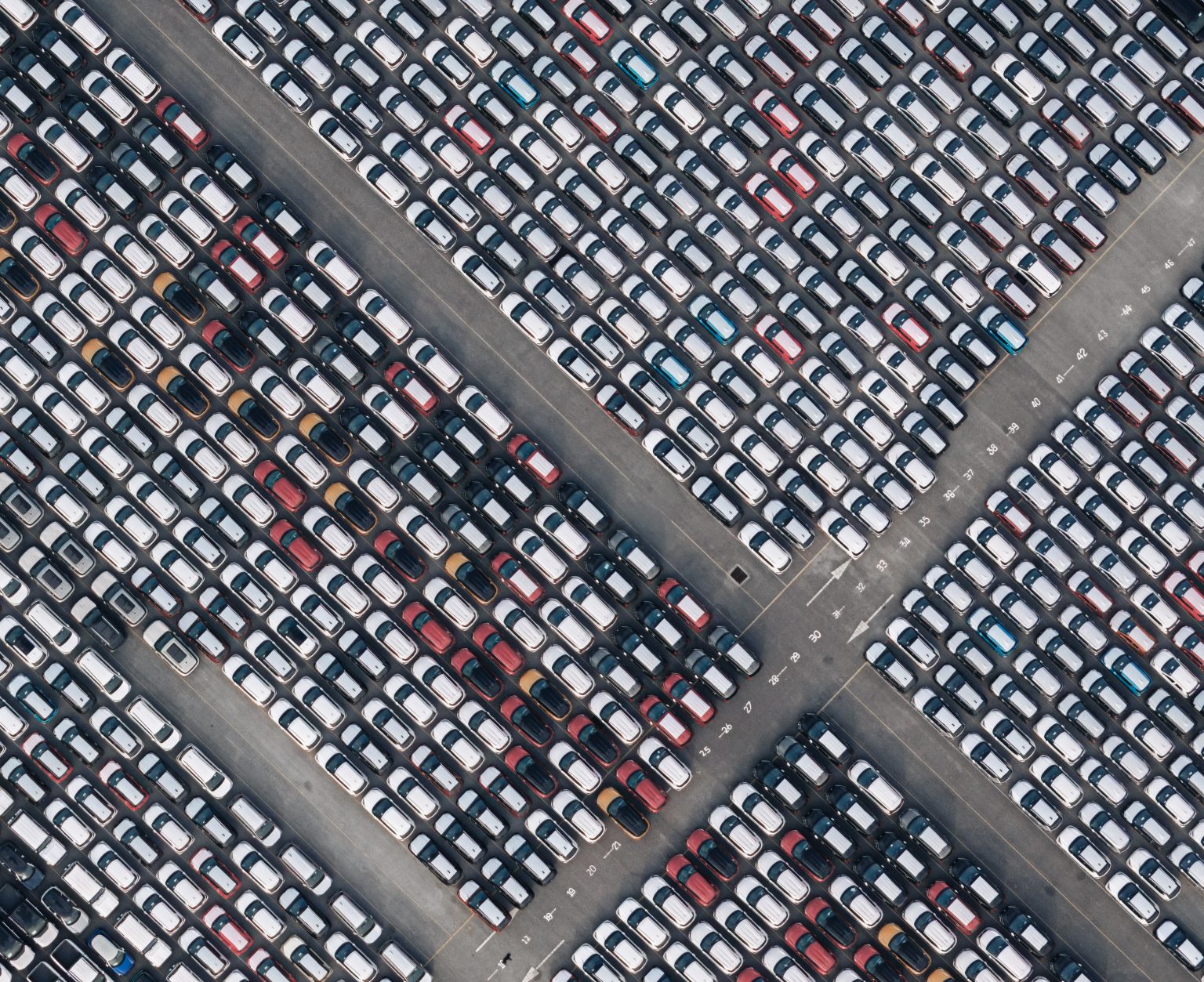
The European Commission is considering postponing the publication of a package of measures to support the automotive sector, which could include reconsidering a phased ban on the sale of new cars with internal combustion engines from 2035.
Handelsblatt newspaperreported this, citing EU transport commissioner Apostolos Tzitzikostas. According to him, the proposal will probably not be presented on 10 December as originally planned and its publication may be delayed by a few weeks - probably to early January.
"We are still working on it. We want to present a car package that is truly comprehensive and covers all the necessary aspects," he added, indicating that Brussels is willing to heed Berlin's calls for more flexibility on powertrain technology.
Among other things, Germany, along with carmakers, is calling for the possibility to sell plug-in hybrids or "high-efficiency" combustion engines to be retained beyond 2035. The Commissioner confirmed that the letter from Federal Chancellor Friedrich Merz, who addressed the Commission on behalf of the industry, was positively received.
The climate needs to be tackled through innovation
Speaking at the CDU regional assembly in Magdeburg on Saturday, Friedrich Merz criticised the planned ban on internal combustion engines as a misstep from which the Union should not stubbornly deviate. Just a few days earlier, he had also written to the Commission on the subject.
He warned that other solutions, including hybrids or technologies not yet on the market, should be considered for the future. "We in politics today do not know what tomorrow will bring in terms of technology," he stressed.
Although the German chancellor noted that the climate crisis is serious, he said solutions should be sought through innovation, not blanket bans that negatively impact businesses, farmers and foresters.
The decision to ban internal combustion engines was taken by the Union in 2022 as part of meeting climate targets and reducing dependence on fossil fuels. However, following strong criticism from several Member States and industry representatives, Brussels has signalled its willingness to reconsider this policy.
A collapsing industry
Merz is equally keen to win back the support of the industrial sector, which has long been key in Germany.
Slovak Prime Minister Robert Fico (Smer) expressed similar concerns on Monday: "A huge number of Slovak companies, suppliers and subcontractors are linked to car production. The entire Slovak industry is marked by this significant concentration," he said.
He added that it is the European Commission's ban on the production and sale of vehicles with internal combustion engines after 2035 that could damage the Slovak economy.
"I cannot imagine what would happen to the Slovak economy if our car industry collapsed. Not to mention that concentration is further increasing, there is the opening of a car production plant near Košice in a few moments - it is Volvo - and that there are other real plans on the table for foreign car companies to build factories in Slovakia when it comes to passenger car production," Fico recalled and commented positively on Merz's letter.

(reuters, max)