
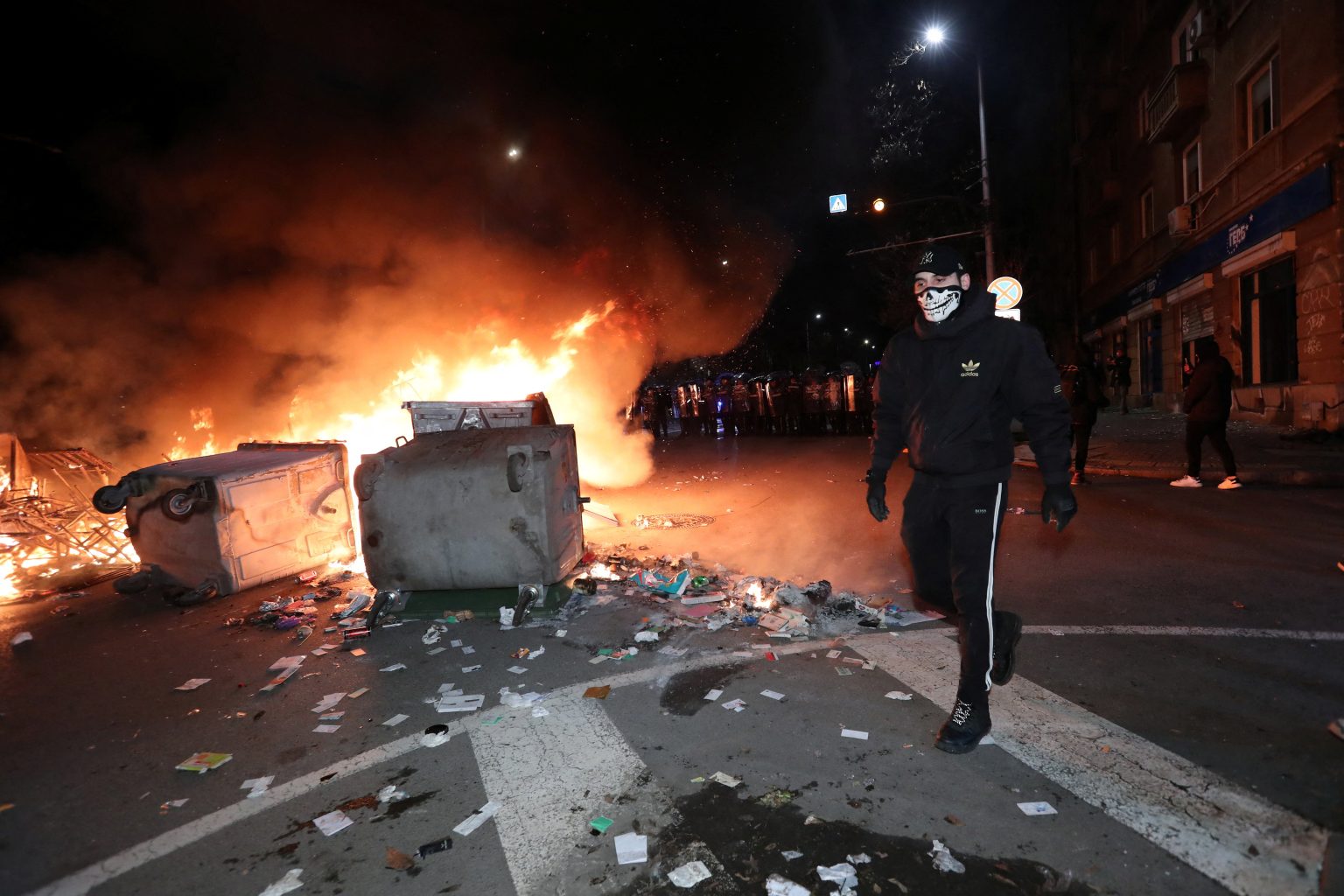
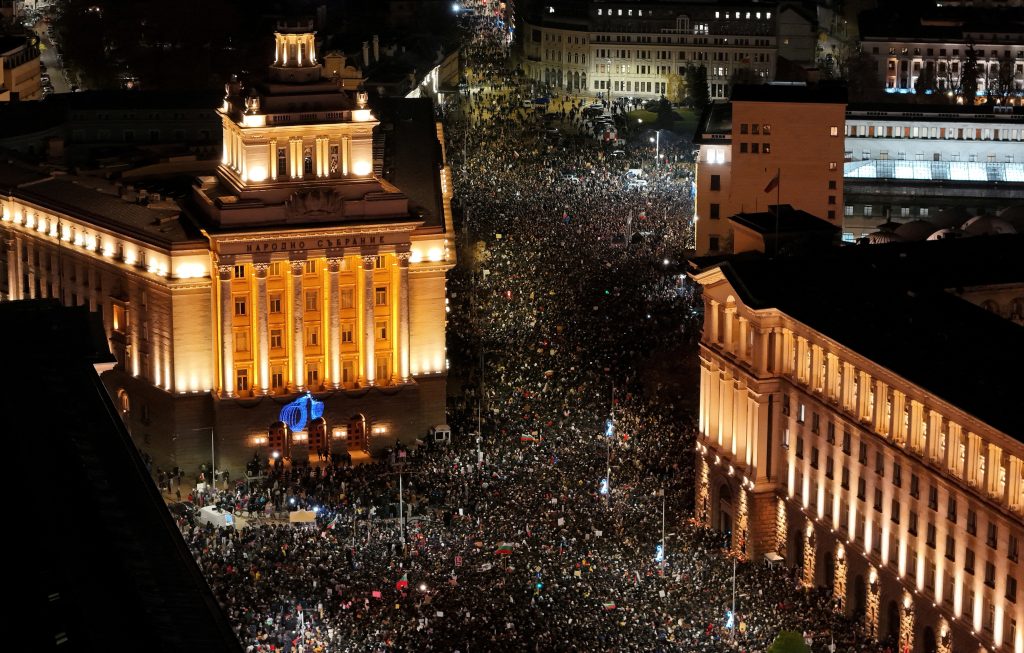
Tens of thousands of people took part in protests in the Bulgarian capital on the evening of 1 December, as well as in at least ten other cities such as Plovdiv, Burgas and Varna. According to Politico, 50 thousand to 100 thousand people gathered in front of the parliament in Sofia.
The demonstrators were expressing their opposition to the new state budget, which they say is intended to cover up the large-scale graft associated with the changeover to the euro from January 2026, which polls show is rejected by around half of Bulgarians. These are the most massive protests since 2013, when people took to the streets against the government's decision to appoint media tycoon Delyan Peevski to head the secret service.
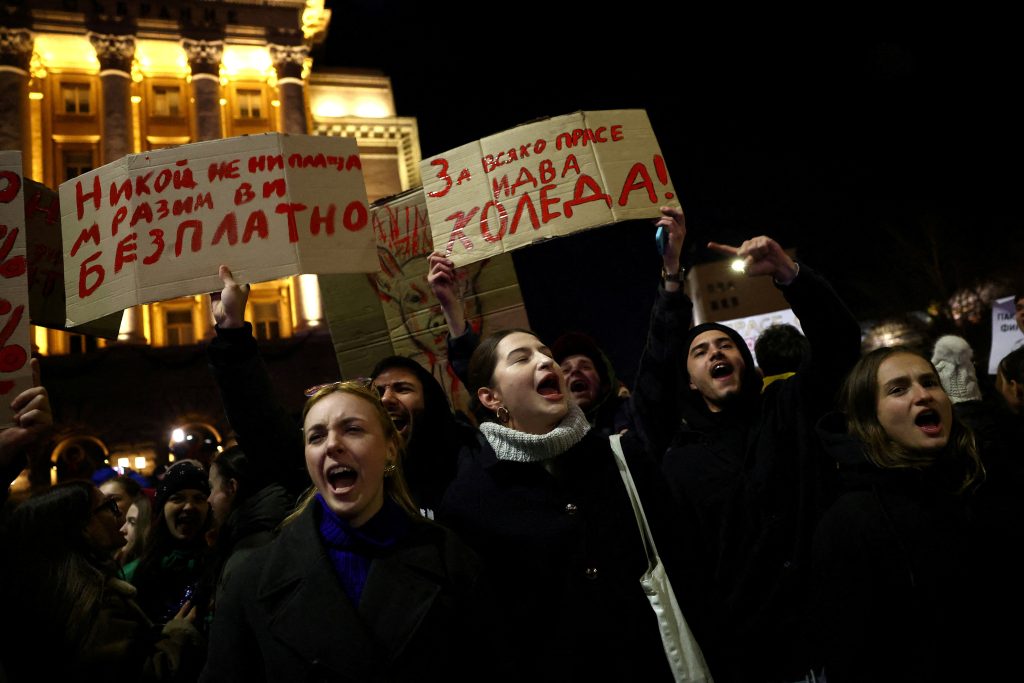
On the morning of 2 December, the government withdrew the draft budget, approved at first reading on 18 November. After the main protest rally ended, there were clashes with the police.
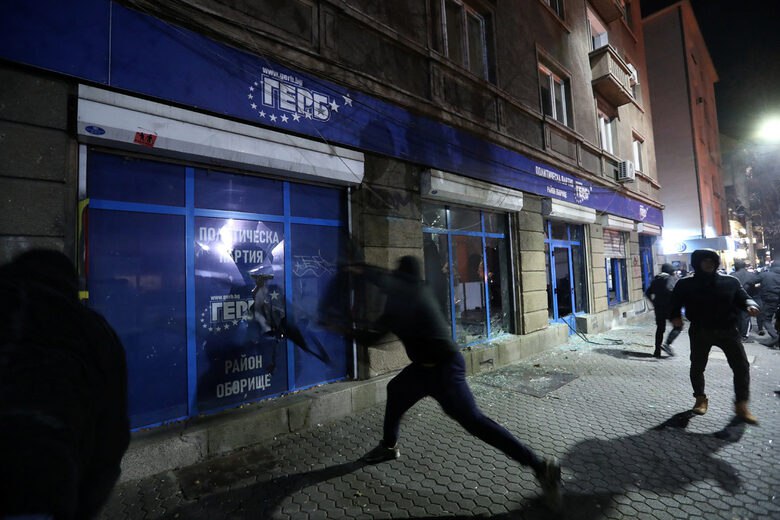
Some demonstrators threw stones, bottles and other objects at the headquarters of the Movement for Rights and Freedoms (MRF), which supports Rosen Zhelyazkov's minority coalition government. The office of Zhelyazkov's party, the Citizens for European Development of Bulgaria (GERB), was also attacked.
"The protests are happening mainly because our mafia government has announced a budget for 2026 that is clearly harmful to the people and only beneficial to corrupt politicians," student Tsvetelina Mikhailova from Sofia told the Standard.
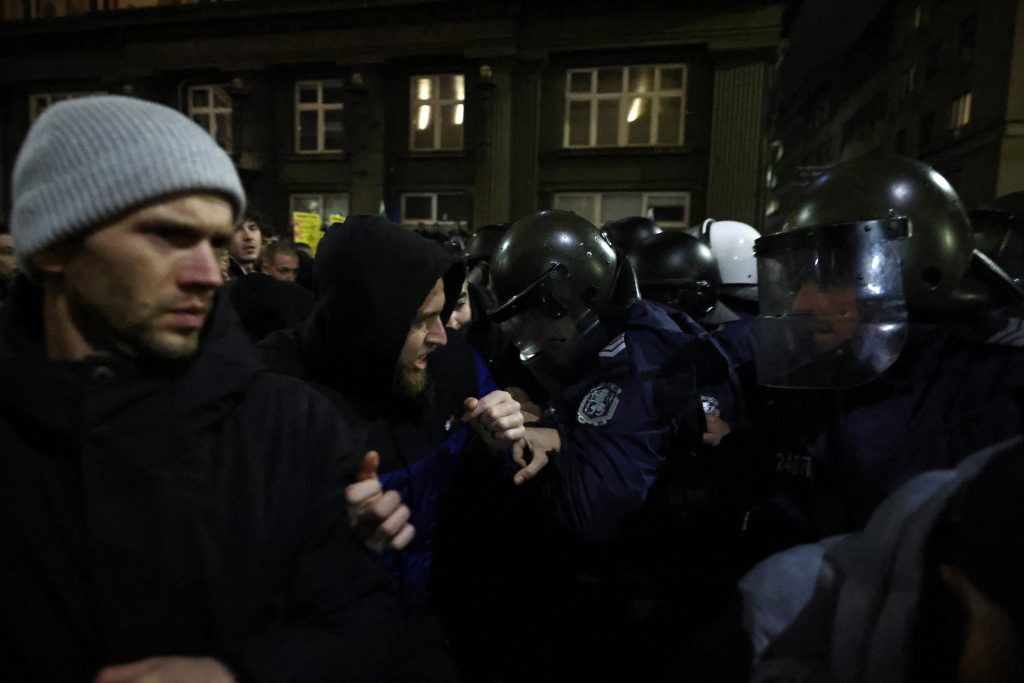
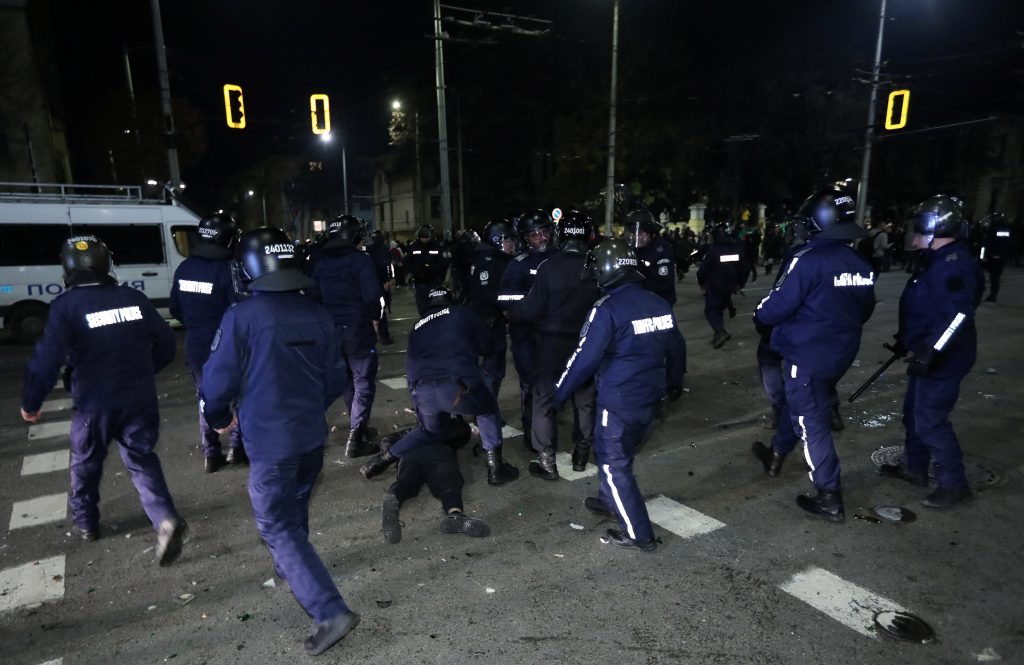
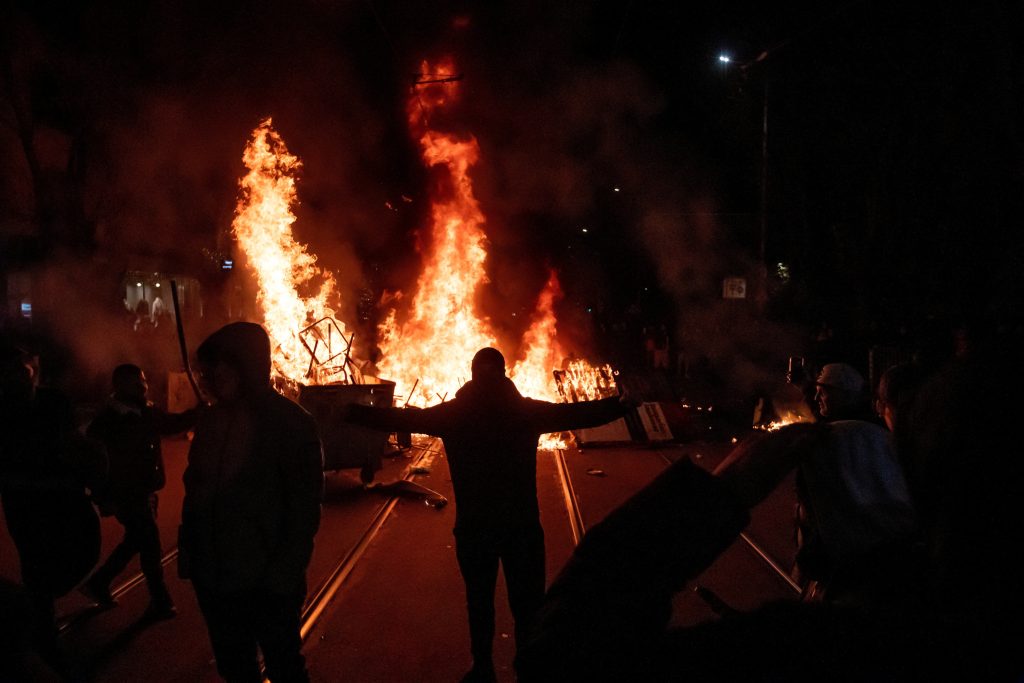
Demonstrators chanted slogans such as "demise", "young Bulgaria without mafia" and "Generation Z is coming", according to the Times. Protesters with veiled faces later threw firecrackers at police and set fires. Police responded by using tear gas and reportedly arrested several people, "more than a hundred" according to the nationalists involved.
As in Ukraine
"The protests started out of nowhere and quickly escalated because politicians pay ultras to create chaos and the impression that the protests are the work of a group of troublemakers who don't even understand what they are really fighting for," says the Sofia student.
"Nobody is paying us, we are here for our country and our people, even though some young Bulgarians do not understand that we cannot solve anything without violence. After all, it was the same in Ukraine," a young Bulgarian nationalist responds to the Standard. According to the Sofia inspectorate, the damage to the city's infrastructure after the clashes with the police amounts to 120 thousand Bulgarian levs (61 thousand euros).
Recall that on the day of the protests, 1 December, Ukrainian nationalists on the front and beyond commemorated the "Day of the Provocateur", which could have inspired Bulgarian nationalists.
"12 years ago, after the students were dispersed, the country woke up changed. On that day, those who were then labelled 'provocateurs' took to the streets. But it was they who brought the Revolution back from the dead," the Ukrainian organisation Carpathian Sich wrote on social media about the events in Kiev in 2013.
Goals achieved?
The main organiser of the protests is the opposition centre-right bi-coalition bloc We Continue Change - Democratic Bulgaria (PP-DB), but former justice minister Krum Zarkov was also present, along with representatives of extra-parliamentary parties.
The anti-government protest was also supported by the right-wing parties Morality, Unity, Honour (MEČ) and Revival. President Rumen Radev also supported the demonstrators' aims.
"The violence must stop. I call on everyone to respect the law. The provocations do not change the fact that Bulgarians have said NO to this government. There is only one way out: resignation and early elections," the Bulgarian president wrote on social media shortly before 22:00 on 1 December.
The government in Sofia is expected to propose amendments to the 2026 budget this week. It has promised not to push through contentious items such as an increase in social levies or higher salaries for civil servants. When Bulgaria joins the eurozone on 1 January, the country's budget will for the first time be calculated in euros.
Critics say the institutions managing Bulgaria's public finances are corrupt and the budget measures will only reinforce the corruption, AFP reports.
Bulgaria ranks among the most corrupt EU member states - along with Hungary and Romania - according to Transparency International's Corruption Perceptions Index.
"The process of reworking the budget will be difficult, under greater scrutiny from unions, business groups and the public," Mario Bikaraski, chief Europe analyst at news company Verisk Maplecroft, told Reuters, adding that repeated attempts to raise taxes were likely to further escalate social tensions.
"The Bulgarian media either pretend that there are no protests or portray them as being targeted only against the adoption of the budget, because they all belong to Delyan Peevski, Boyko Borisov (GERB) and people from their circles," Mikhailova, a student, told the Standard, adding that the problem with corruption is long-standing.
This is primarily the case with Nova TV, the public broadcaster BNT 1 (БНТ 1), which belongs to Bulgarian National Television (Българска национална telewizji), or bTV.
At a press conference on 2 December, the opposition parliamentary parties demanded the resignation of the government and the calling of early parliamentary elections. Otherwise, the ruling cabinet will face renewed protests.
However, the prime minister ruled out the resignation of the government and made it clear that the opposition must be satisfied with a reworking of the draft budget. He stated that the internal political situation must remain stable during the changeover and that he would therefore not allow early elections". A continuation of the protests is therefore almost certain.
"Bulgaria is the most corrupt country in the European Union, if not in the whole of Europe. Reworking the budget is really not enough anymore," adds Tsvetelina Mikhailova from Sofia.