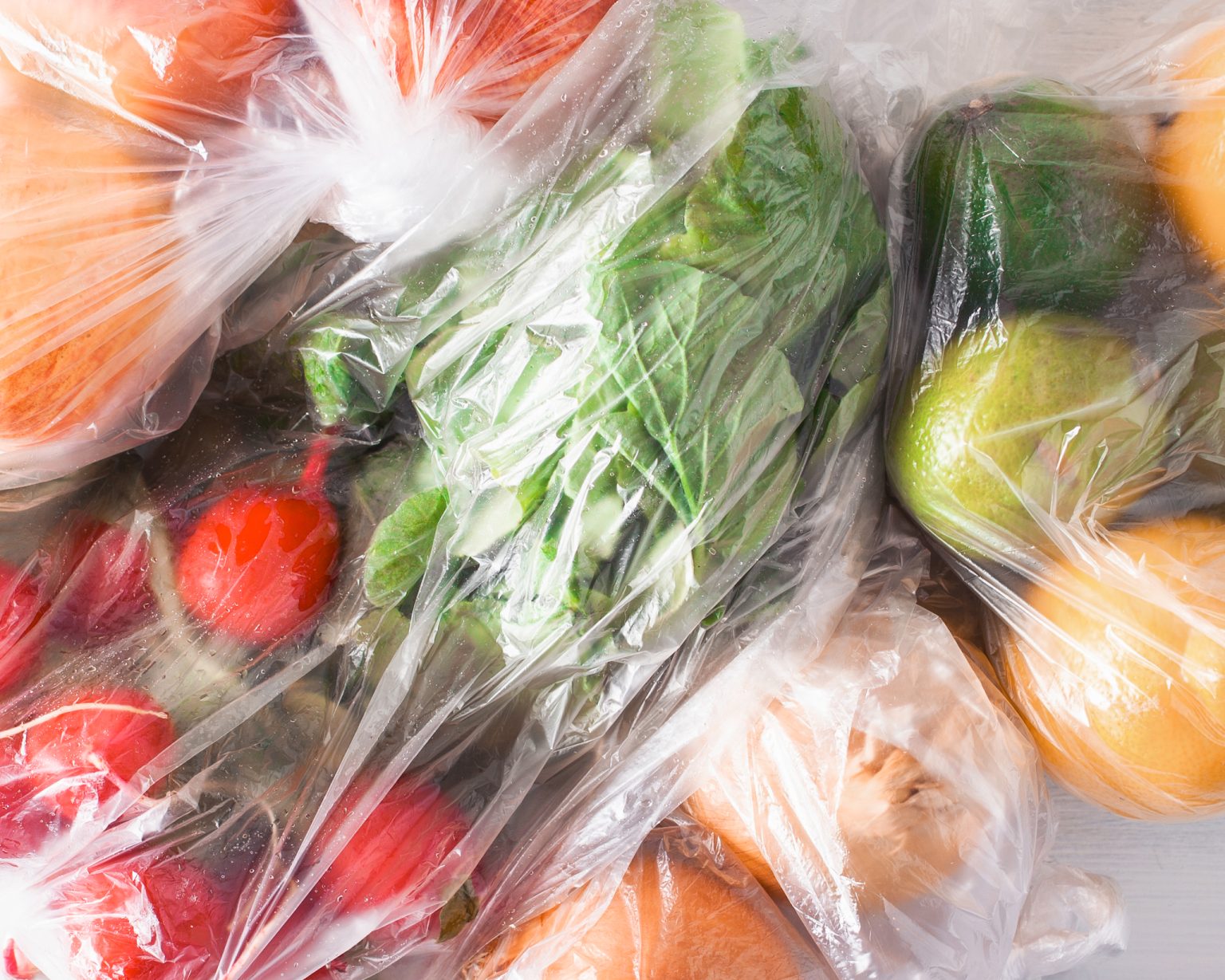
If one day the Union gets the taste for limiting plastics in food, it will be an interesting morsel

Regulators will find themselves in an increasing dilemma as health benefits become unclear and costs high. For example, in the case of microplastics.

There is now evidence that micro- and nanoparticles of plastics enter the human body from the environment through inhalation, ingestion and even through the skin. Science is still working hard to answer the questions of how many there are, where they come from and what they cause.

It is strongly suspected that microplastics in the bloodstream increase the risk of heart attacks and vascular events through inflammatory processes and oxidative stress. They are confirmed to be able to cross the blood-brain barrier [a specialised protective barrier between blood and brain tissue, ed.] and are suspected of contributing to neurodegenerative diseases. Possible negative effects on the lungs or immune system are also being investigated.

Microplastics are therefore also being looked at by regulators. In October this year, EFSA - the European Food Safety Authority - published a review of analyses focusing on the release of microplastics from food packaging. From more than 1 700 publications, it selected 122 of the most relevant ones for closer scrutiny.
Its conclusion was quite critical: "Many publications are affected by methodological shortcomings in the test conditions in sample preparation and deficiencies in the reliability of the analytical data, resulting in frequent misidentification and miscounting."


According to her, analyses have shown that microplastics are released from packaging mainly due to mechanical stress (abrasion). However, according to EFSA, "the actual release is much lower than the results presented in many publications" and "at this stage there is insufficient basis for estimating the exposure to microplastics from food packaging during use". For example, the shortcomings of many of the studies were that they focused only on bottled mineral waters, minimally investigated nanoplastics, and criticisms were also directed at methodologically poor sample preparation.

I dare write that EFSA regulators have breathed a little easier after this self-analysis. It indirectly stated that nobody can properly say how much microplastics are being released from food packaging into food, so they have nothing to regulate for the time being.

If one day the European Union gets the appetite to restrict plastics in food, it will be an interesting morsel. It may be fashionable to swear at plastics, but they play an irreplaceable role in our lives - particularly in the area of food hygiene.

Microplastics are the toll of the fact that our food is much less contaminated with pests and micro-organisms than it was a century ago, and that it lasts much longer unchanged in our homes and shops.

For some goods there is a more expensive substitute for packaging (glass and metal), in some cases there is not. Possible future regulations may try to focus on chemical composition and manufacturing processes (minimising abrasion or exposure to light) rather than banning plastics. But any regulation will be costly and will make the food chain more expensive, which is always politically extremely unpopular.

Perhaps regulators will have to admit, at least in this case, that the world is complex and maximising human health in a narrow regulatory context (reducing the risk of microplastics) has a cost. Societal well-being correlates very closely with health and longevity, and reducing it therefore leads to poorer health in a broader context. This is a dimension that is often not perceived by regulatory policy.

Source.