
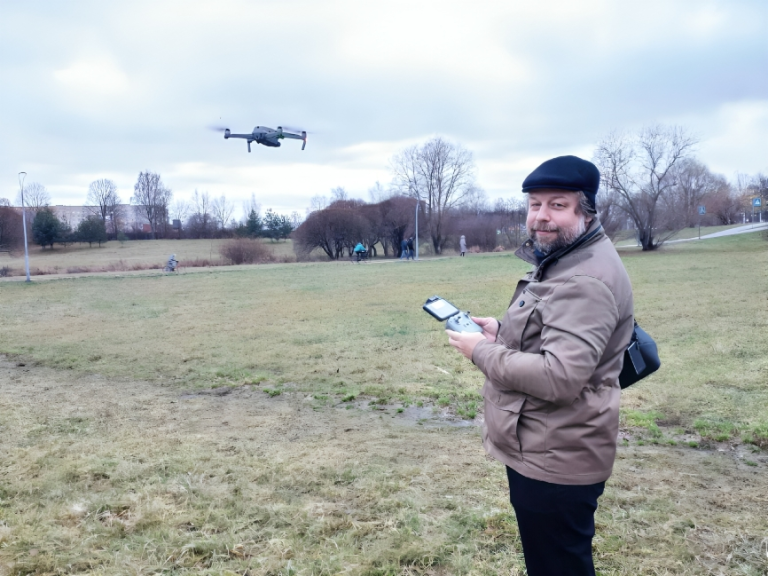
The Polish Internal Security Agency(ABW) arrested the Russian on 4 December in his hotel room in Warsaw. Exclusive material was carried by the Polish portal RMF24 on 11 December. Butagin had been lecturing at a university in the Netherlands shortly before his arrest and was in Warsaw just waiting for his onward flight to Belgrade.
According to reports provided to RMF24's editor by Polish civilian intelligence, the Russian was caught completely by surprise during the arrest. It is possible that he did not even know about the threat of arrest, as he has only been in the crosshairs of the Ukrainian prosecutor's office since November this year. Russian diplomats have expressed outrage at the situation.
Archaeological work
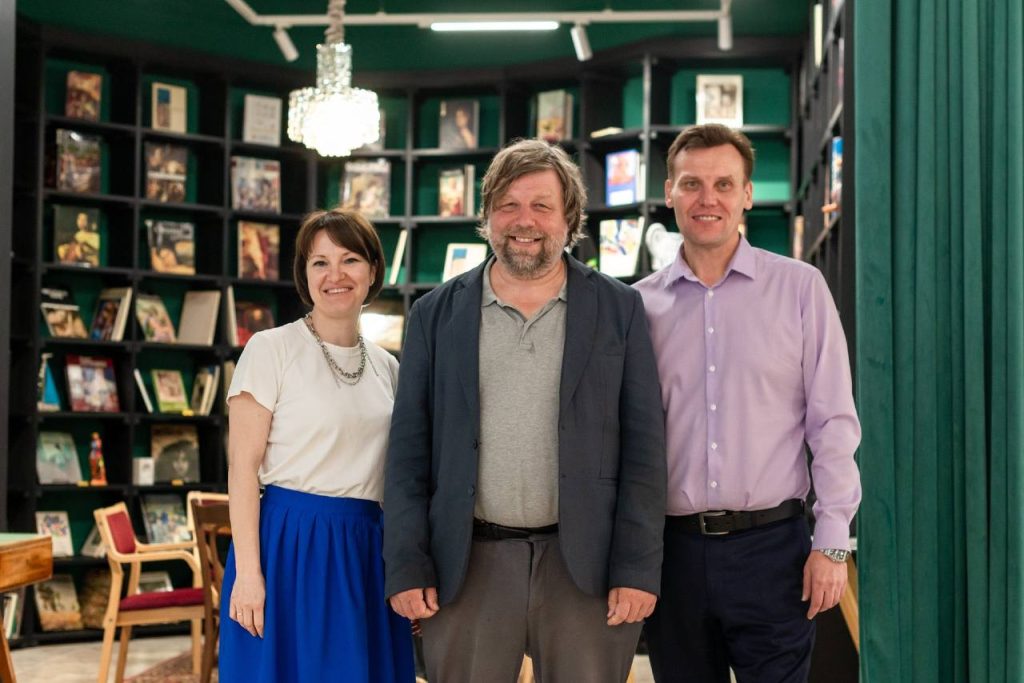
Butagin is the head of the Department of Ancient Archaeology at the Russian State Hermitage Museum in St. Petersburg - one of the world's most important and largest art historical institutions. He also teaches at St. Petersburg State University, primarily to future archaeologists.
According to the Prosecutor's Office of the Autonomous Republic of Crimea and the city of Sevastopol, since 2014 he has been conducting archaeological excavations in occupied Crimea at the site of the ancient Greek city of Mirmekion (Мірмекій) without authorization from the Ukrainian authorities. The truth of this information was confirmed to the Standard by three of his students. As two of them are still in Russia, they wished to remain anonymous.
"Archaeological practice is a compulsory part of first degree studies at the Institute of History of St. Petersburg State University. We, as students, had the choice of either excavating in Abkhazia or in Crimea, with Alexander Mikhailovich Butagin leading the practice there," a student who took part in the 2020 archaeological practice told the Standard.
Another student claims that at the end of the internship, Butagin offered them to take less valuable archaeological finds home as a souvenir, but the St. Petersburg University students did not accept the offer. "A year after us, the lower school kids found a well-preserved girl from the Byzantine Empire period, we weren't so lucky," says a participant in the 2018 archaeology internship.
The punishment will not pass him by
"After his arrest, Alexander B. was interrogated at the district prosecutor's office in Warsaw. He refused to give an explanation," the Polish portal reports. The court granted the prosecutor's motion and placed the detained Russian in custody for 40 days. On the basis of the Polish-Ukrainian agreement and after receiving a formal extradition request, he is awaiting extradition to Ukraine.
There, he will face trial and a sentence of between one and ten years' imprisonment for "damaging the cultural heritage of the Crimean peninsula" over several years.
According to Ukrainian officials of the Autonomous Republic of Crimea, Butagin's actions were "part of a plan aimed at removing Crimean Tatar and Ukrainian identity from the peninsula".
"During the construction [of the Crimean Bridge, ed.], archaeologists carried out the work in an unprecedented hurry, even though it should normally have taken many years to complete," RMF24 summarises.

The Ukrainian prosecutor's office claims that in addition to the negligent archaeological survey, which led to permanent and irreversible damage to the cultural heritage, many of the recovered artifacts were exported to Russia, resulting in damage to Ukraine in excess of 200 million hryvnia, or 4 million euros.
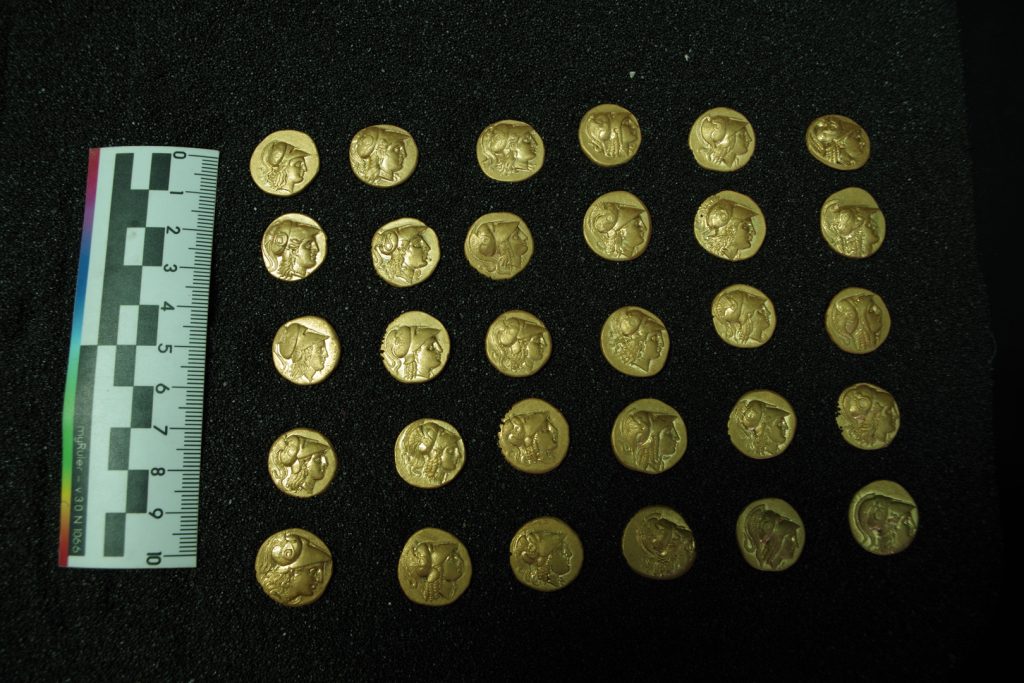
In 2022 alone, this included 30 gold coins, 26 of which bore the name of Alexander the Great. Ancient written relics were in turn found in 2017.