
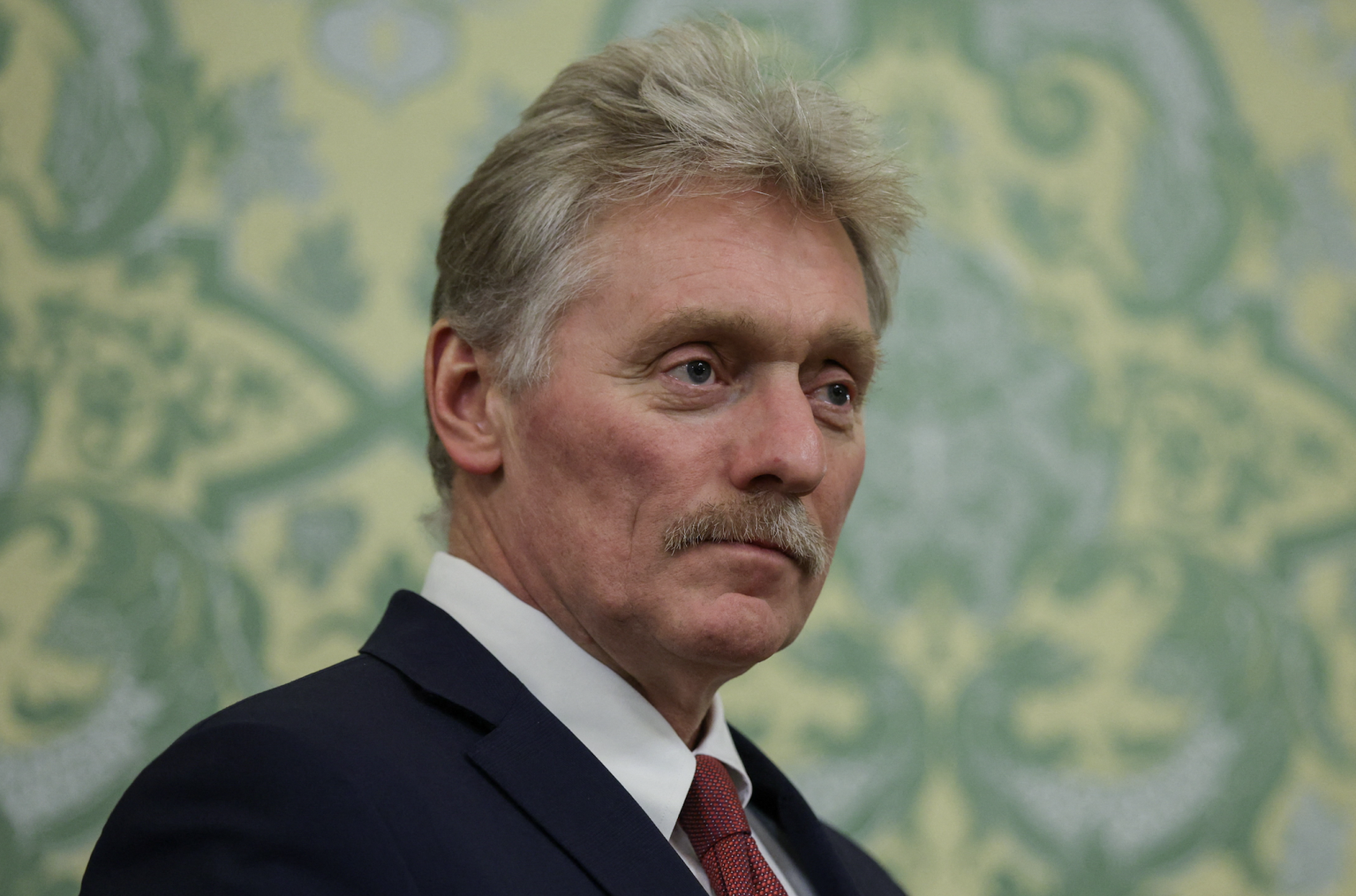
Kremlin spokesman Dmitry Peskov on Monday dismissed US intelligence reports that Russian President Vladimir Putin has not given up his goal of taking over all of Ukraine and parts of Europe.
He said Moscow could not assess the reliability of the sources cited by Reuters, but if the information was accurate, he said, the conclusions of U.S. intelligence were incorrect. "This is absolutely not true," Peskov declared.
Intelligence information
U.S. intelligence assessments, according to six sources familiar with the situation, continue to warn that Putin's ambitions go beyond the current battle lines. The reports say the Russian president has not given up his intention to take over all of Ukraine and reclaim parts of Europe that belonged to the former Soviet Union.
These assessments are in stark contrast to statements by U.S. President Donald Trump and his peace negotiators, who say Putin is interested in ending the conflict. The latest intelligence report, according to one source, is from late September.
According to the sources, US intelligence findings have been consistent since the start of Russia's invasion of Ukraine in 2022. They largely coincide with the assessments of European intelligence and political leaders, who consider Russia a long-term security threat to the continent.
"The intelligence has always said Putin wants more," Democratic Congressman Mike Quigley, a member of the House of Representatives Intelligence Committee, told Reuters. He added that European states, especially Poland and the Baltic states, had no doubt.
Trump's influence
Russia currently controls about 20 percent of Ukraine's territory, including most of Luhansk and Donetsk regions, parts of Zaporizhzhya and Kherson oblasts, and Crimea, which Moscow annexed in 2014. Putin considers all these territories to be part of the Russian Federation.
According to two sources familiar with the negotiations, Trump is pressing Kiev to withdraw its forces from the small part of the Donetsk region that Ukraine still controls as part of a peace deal.
However, Ukrainian President Volodymyr Zelensky and most of the Ukrainian public reject such a move. The White House says Trump's team has made "significant progress" in trying to end the war.
U.S. Director of National Intelligence Tulsi Gabbard said Russia is currently trying to avoid a wider conflict with Europe and that its military does not have the capacity to dominate all of Ukraine, let alone Europe.
Peace talks
Meanwhile, US, Ukrainian and European negotiators agreed in Berlin on a framework of security guarantees for Ukraine in the event of a peace deal. These should include, in particular, European security forces deployed away from the front line, as well as US intelligence and logistical support.
However, Zelensky remains cautious, pointing out that it is still unclear how the security guarantees would work in practice. At the same time, it is uncertain whether Putin, who has long rejected the presence of foreign troops on Ukrainian territory, would agree to them.
Yet the Russian president offered no concessions at his annual press conference on Friday. He said his terms of peace have not changed and must be met, arguing the progress of Russian forces on the battlefield.
U.S. Secretary of State Marco Rubio, for his part, conceded that Putin may never be satisfied with less than complete control of Ukraine.
(reuters, pir, lud)