
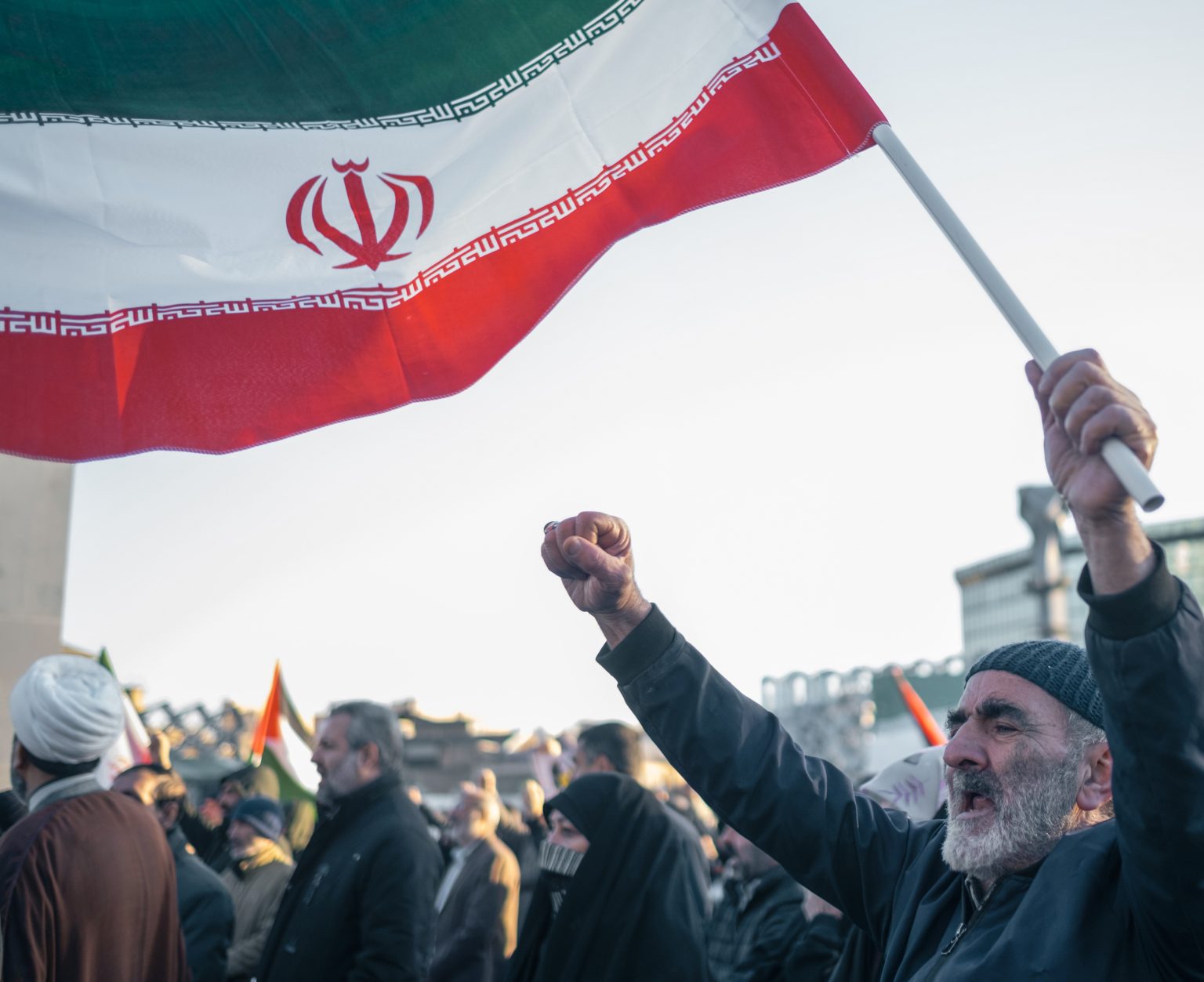
The demonstrations, which began in Tehran on December 28, have spread to all 31 Iranian provinces, but according to Reuters, they have not yet reached the scale of the unrest in 2022-2023, which was triggered by the death of Mahsa Amini, who died three days after being detained by the morality police for improperly wearing a hijab.
The protests are motivated by a sharp economic decline: at the beginning of 2026, the exchange rate for one dollar significantly exceeded 1.4 million rials, although before the Islamic Revolution in 1979, it was approximately 70 rials. Unlike the protests three years ago, most of the demonstrators areyoung men.
Demonstrations are gaining momentum
The American organization Human Rights Activists News Agency (HRANA) reported that at least 34 protesters and four members of the security forces were killed during the riots, and 2,200 people were arrested. However, the number of victims continues to rise. On December 8, protesters in the city of Mashhad pulled down the flag of the Islamic Republic and tore it apart.
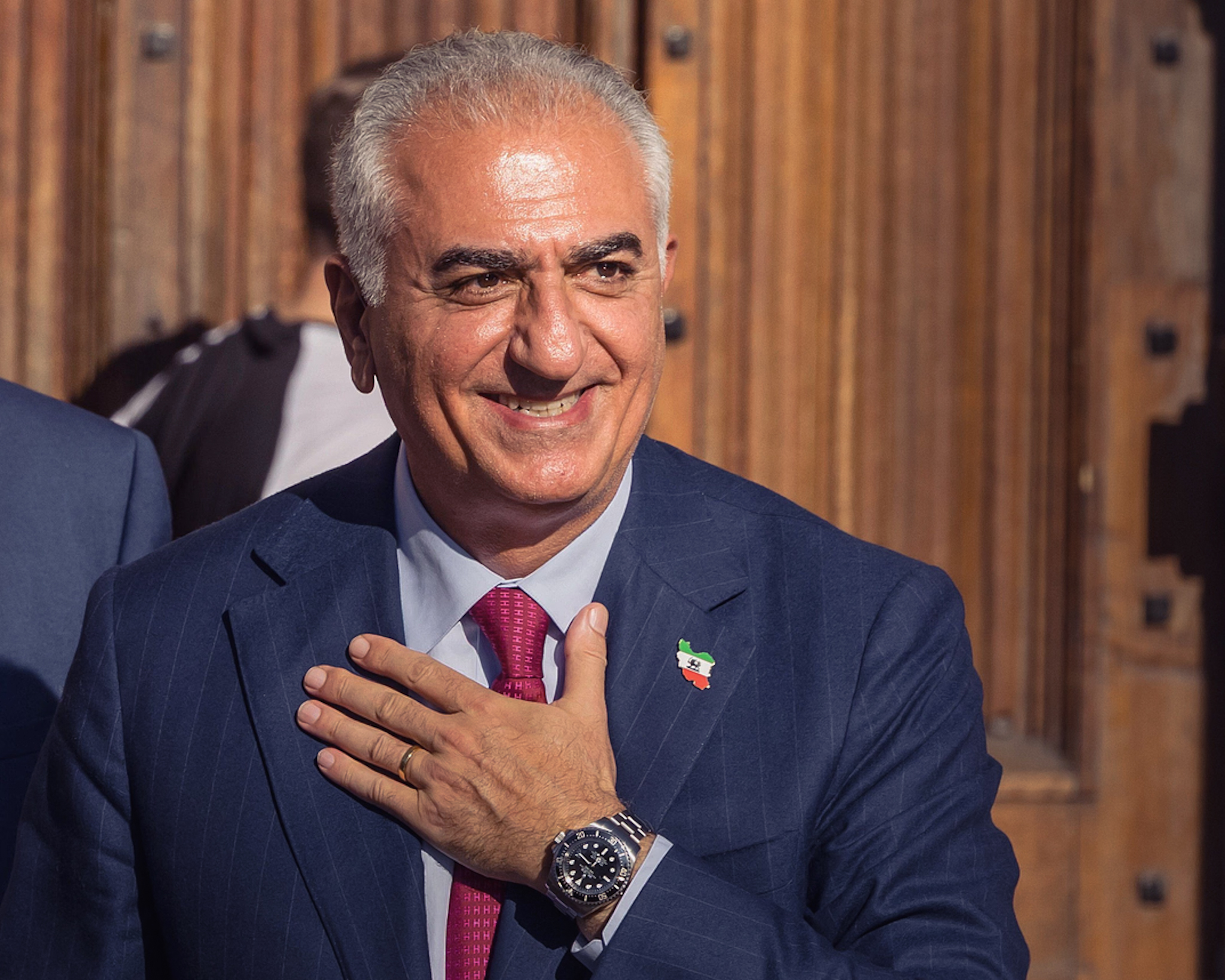
On January 8, Iran suffered a nationwide internet outage, which, according to the monitoring group NetBlocks, continued into the following day. The outage came at a time when the protests were supported by Reza Pahlavi, the son of the last Iranian shah, who was deposed during the Islamic Revolution in 1979.
It should be noted that similar measures have been taken in recent years by the leaders of China, Zimbabwe, Cameroon, Togo, and Russia during anti-regime demonstrations. Thanks to the partial internet outage, the protests are spreading more slowly, and videos and photos depicting violence by security forces are not circulating.
The authorities claim that protests against economic decline are legitimate and will be addressed through dialogue, but some demonstrations have been suppressed with tear gas during violent street clashes.
On the morning of January 9, state media in Iran reported on the protests for the first time in two weeks, claiming that the violence was caused by "terrorist agents" from the United States and Israel. Television reported that "demonstrators set fire to private cars, motorcycles, public places such as the subway, fire trucks, and buses."
Generational change
A former high-ranking member of the regime's reformist wing told Reuters that the basic ideological pillars of the Islamic Republic—from enforced dress codes to foreign policy—do not appeal to people under 30, who make up nearly half the population.
In addition to young people and women, who have long demanded the secularization of the state, Persian ethnic nationalists, monarchists, and the left also support anti-regime demonstrations.
The hijab, which was one of the main triggers of the protests after Amíníová's death, is now enforced selectively. Many Iranian women openly refuse to wear it in public, thus deviating from a tradition that has long defined the Islamic Republic.
During the current protests, many demonstrators are expressing anger over Tehran's support for militants in the region, chanting slogans such as "No Gaza, no Lebanon, my life for Iran," signaling the frustration of not only young people with the regime's priorities.
The way out is unclear
Alex Vatanka, director of the Iran program at the Middle East Institute in Washington, told Reuters that Iran's clerical system has survived repeated waves of protests through repression and tactical concessions, but this strategy is reaching its limits.
"Change seems inevitable today; the collapse of the regime is possible but not guaranteed," he said. In other countries in the region, such as Syria, Libya, and Iraq, long-standing leaders fell only after a combination of protests and military intervention.
US President Donald Trump has said he could come to the aid of Iranian protesters if security forces use firearms against them. This may be related to the recent transfer of US troops to the UK.
"We are ready and on high alert," he wrote on January 2, without further explanation, seven months after Israeli and US forces bombed Iranian nuclear facilities during a 12-day war.
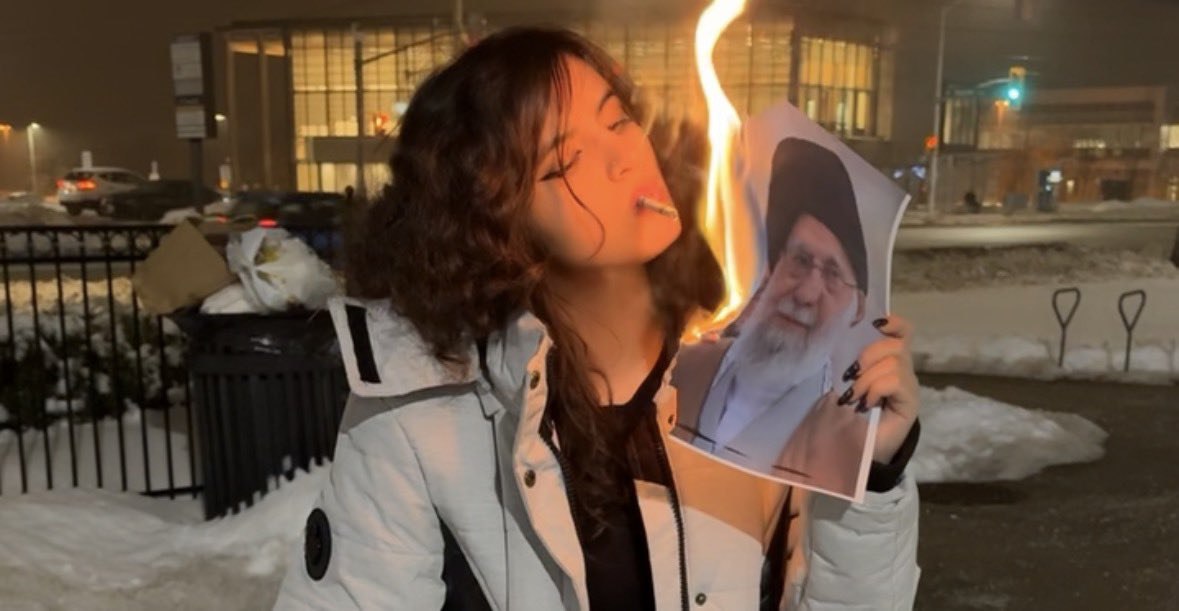
Supreme Leader Ayatollah Ali Khamenei, facing one of the most critical moments of his long reign, responded by declaring that Iran "will not yield to the enemy."
On January 9, he accused protesters of acting on behalf of Trump by attacking public property, saying that Tehran would not tolerate people acting as "mercenaries for foreigners, vandals, and saboteurs."