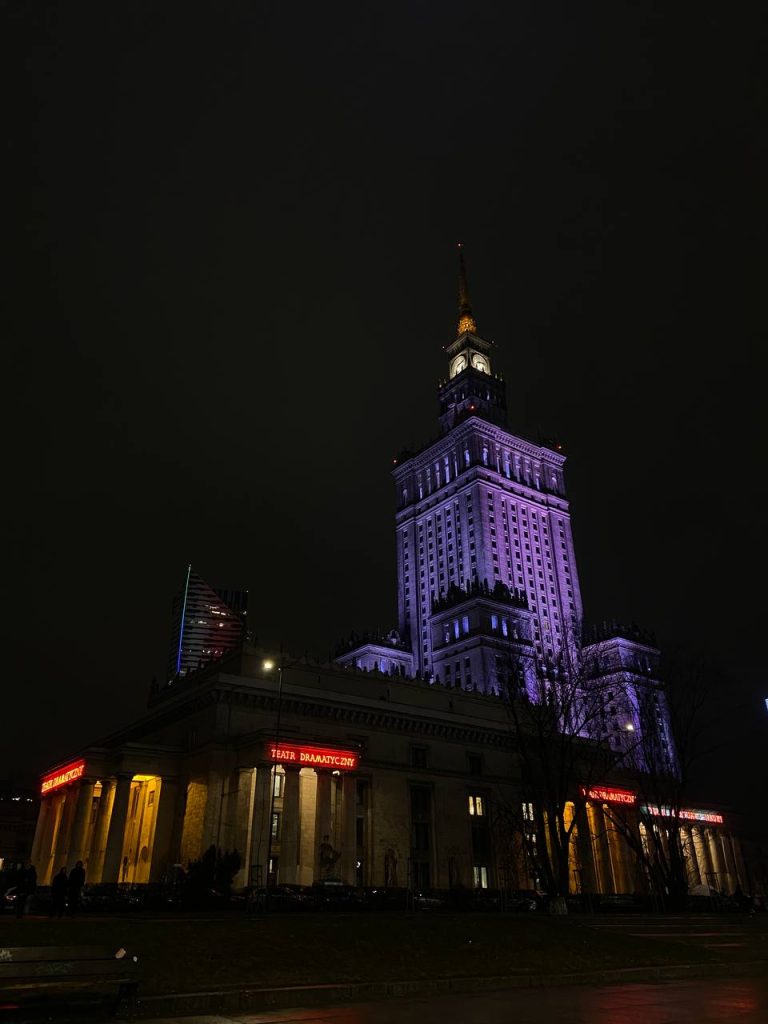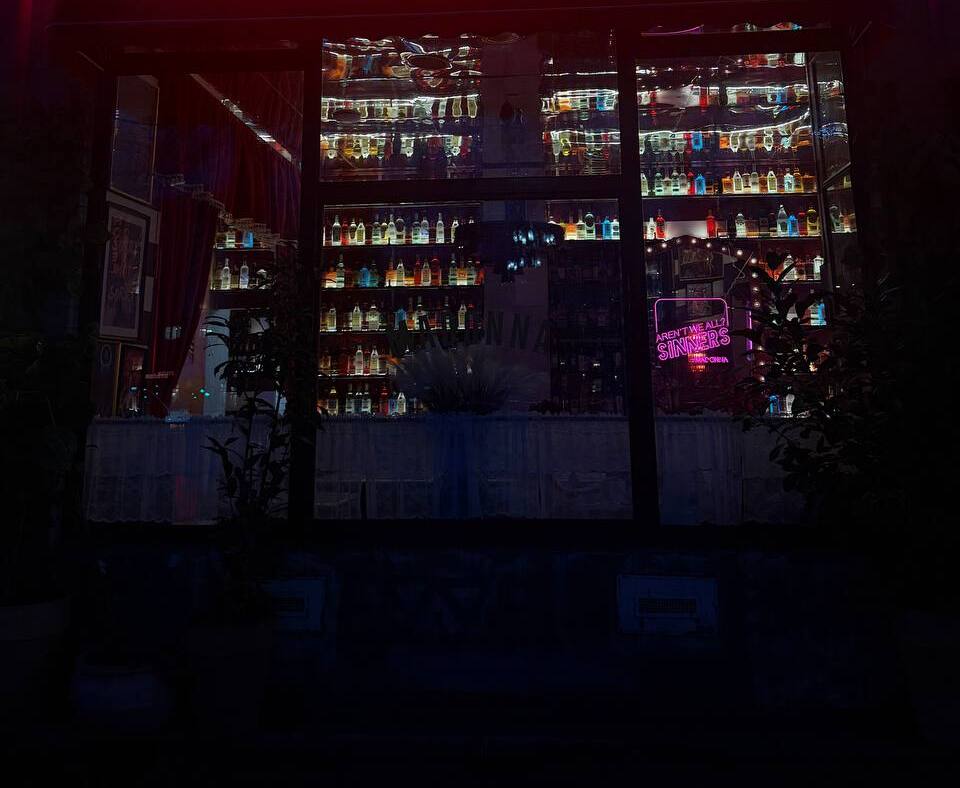
Since November, the ban on the sale of alcohol between 10 p.m. and 6 a.m. has applied to two districts of Warsaw: Śródmieście (Center) and Praga-Północ (Prague-North). According to the city council, the ban applies to shops, gas stations, and retail stands in catering establishments.
"The ban does not apply to catering establishments. Bars, pubs, and restaurants will still be able to sell alcoholic beverages for consumption on the premises during their current opening hours," the city administration explains in a statement.
Smaller sandbox
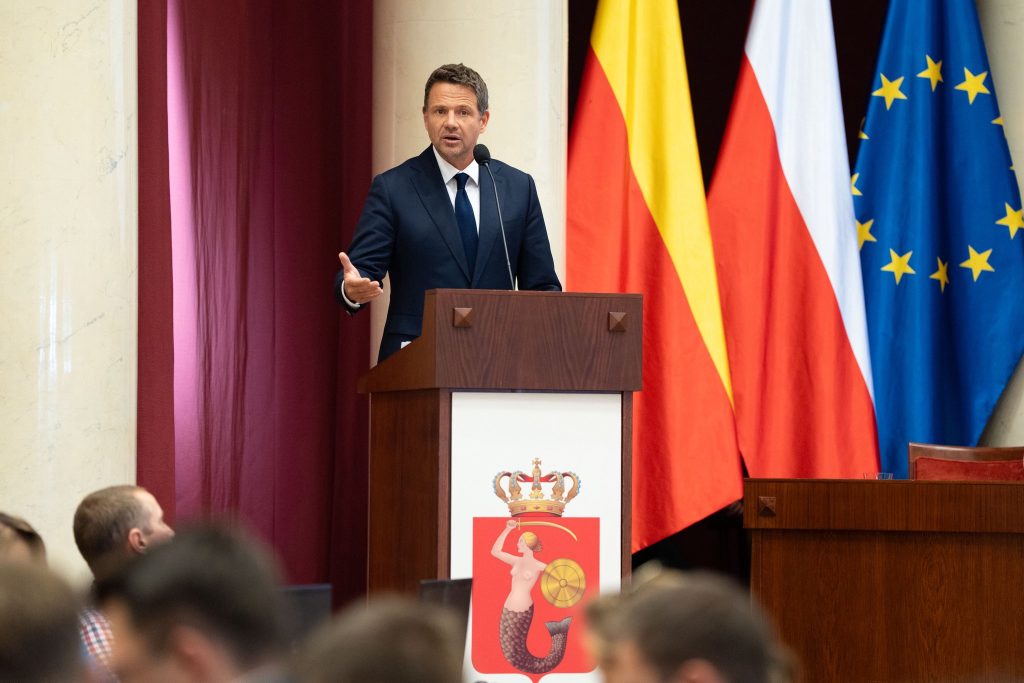
City councilors pushed through the ban at the instigation of unsuccessful presidential candidate and current Warsaw Mayor Rafał Trzaskowski of the Civic Platform (PO), the party of Polish Prime Minister Donald Tusk.
In October, the mayor promised that "the restriction on night-time alcohol sales will be extended to the entire city of Warsaw by June 2026 at the latest." As Trzaskowski himself admits, although his party has a majority in the city parliament, the majority of city councilors were against any new bans and orders.
Despite the fact that, according to the mayor, the debate on the restrictions provoked "a great deal of emotion" in the city council, the ban was ultimately approved. "The aim of introducing the night-time ban is to improve safety at night and reduce incidents of public disorder," the city finally explained in its statement.
"In the spring of 2026, a draft resolution is to be submitted to the Warsaw City Council that will extend the nighttime ban to all districts of the capital. If the deputies approve the document, the ban on the sale of alcohol at night will take effect throughout Warsaw no later than June 1, 2026," the city said.
Given the dominance of the Civic Coalition—in which the Civic Platform has the final say—in the city parliament, this is essentially a foregone conclusion, as according to Trzaskowski, the councilors have already agreed on this step. For now, the city has also adopted the Warsaw Safe Night Program along with the restrictions.
This involves strengthening state and city police patrols, identifying places where alcohol is sold that cause public disorder, and training alcohol sellers to restrict sales to people under the influence of alcohol and minors.
For several months, the ban will only apply to two districts in the center of the city so that the city council can "assess the impact of restrictions on nighttime alcohol sales" and, if necessary, make minor adjustments to the regulation being prepared for June.
For or against?
Without exaggeration, it can be said that the Warsaw residents surveyed—as well as Poles who are only visiting the city
– generally welcome the planned city-wide ban on nighttime sales of alcoholic beverages. However, there were a few minor exceptions.
"It's not just about children, but also about yourself that you worry from time to time when walking through certain parts of the city. Especially now that it gets dark quickly," Marzena, who moved to the capital from Gdańsk, where she says the situation with alcoholics is better, complains to Štandard.
She claims that the ban on alcohol sales in the city center is already noticeable, although she believes that it would be even better if the ban were extended to at least 9 p.m. "When the ban comes into force in other parts of the city, drunks from unrestricted neighborhoods will no longer pass through the city center, and it will be even better," adds the former Gdańsk resident.
The vast majority of Warsaw branches of the popular Żabka retail chain close at 11 p.m., and employees—especially female employees—hope that, thanks to the city's regulation, people will gradually stop going out for alcohol a few minutes before closing time.
"My colleague is an athlete, he doesn't have to worry about drunks, ban or no ban, but for me, every afternoon or all-day shift is hell. I just tremble with fear that some drunks or even a whole group will come in, shouting and looking for something to keep their blood alcohol level up," says young Alicja, describing the torment of working behind the cash register, although she adds that such cases are the exception rather than the rule.
According to Piotr, the ban unnecessarily takes votes away from the mayor's party and will ultimately change nothing. "I've seen a guy come into a store here in Śródmieście, and when they wouldn't sell him alcohol, he simply walked a few meters and bought it in Wola [in a neighboring district, ed.], explains the young worker, describing the pitfalls of the partial territorial scope of the restriction.
Piotr is "firmly convinced" that people who like to drink will gradually get used to the ban and stock up on enough alcohol before 10 p.m. Several Poles interviewed by Štandard share this view, although some hope that the ban will at least have some positive effect and support its adoption.
"There are certainly cities where the situation with alcoholics is worse than here, the situation in the city is not terrible, but the very fact that a foreign journalist came to ask us about the problem and that the city is adopting certain regulations in this matter, all this says that the problem itself exists," says a young couple with children who regularly visit Warsaw.
Although alcohol consumption among young people in Poland has declined, nationwide statistics show a steady increase in consumption: since the turn of the century, alcohol has caused approximately a quarter of a million premature deaths in Poland. According to experts, the problem is its low price – in the second half of December, Polish President Karol Nawrocki vetoed a government bill to increase the excise tax on alcohol, saying it was incomplete.