Trump is considering military intervention in response to protests in Iran. He has imposed new 25% tariffs.
Tehran leaves communication with Washington open. Demonstrators flood the streets of Iran, and Washington threatens tariffs, sanctions, and military force.
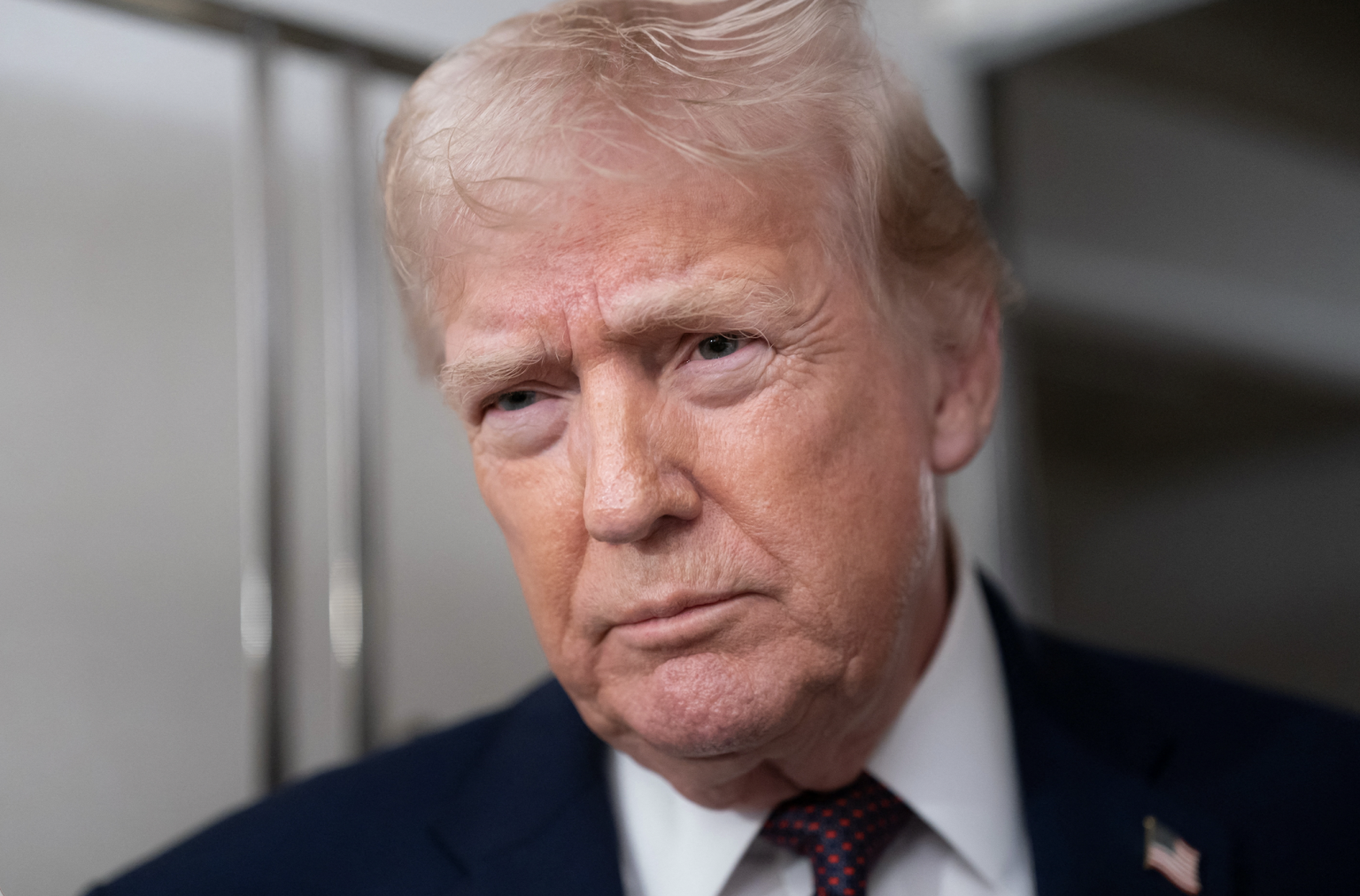
Donald Trump. Photo: Nathan Howard/Reuters
|
The protests, which broke out on December 28, originally concerned the country's worsening economic difficulties—including soaring prices and everyday problems—but quickly grew into a nationwide movement demanding the fall of the clerical establishment.
The demonstrations do not have a unified central leadership, and the opposition remains fragmented, despite clear popular opposition to government structures, particularly the Islamic Revolutionary Guard Corps.
New tariffs
US-Iranian tensions have escalated sharply in this context. On Monday evening, the US president announced that any country that trades with Iran (a major oil producer) will face a new 25 percent tariff on exports to the US.
"This order is final and binding," Trump wrote in a post on social media, without providing further details on the legal authority he will use to impose the tariffs or whether they will target all of Iran's trading partners. The White House did not respond to a request for comment.
According to published reports, Washington plans to hold further discussions on various options for responding to the situation, ranging from cyberattacks and expanded sanctions to direct military intervention. However, these scenarios are considered high-risk, particularly given their potential to affect civilian areas and regional stability.
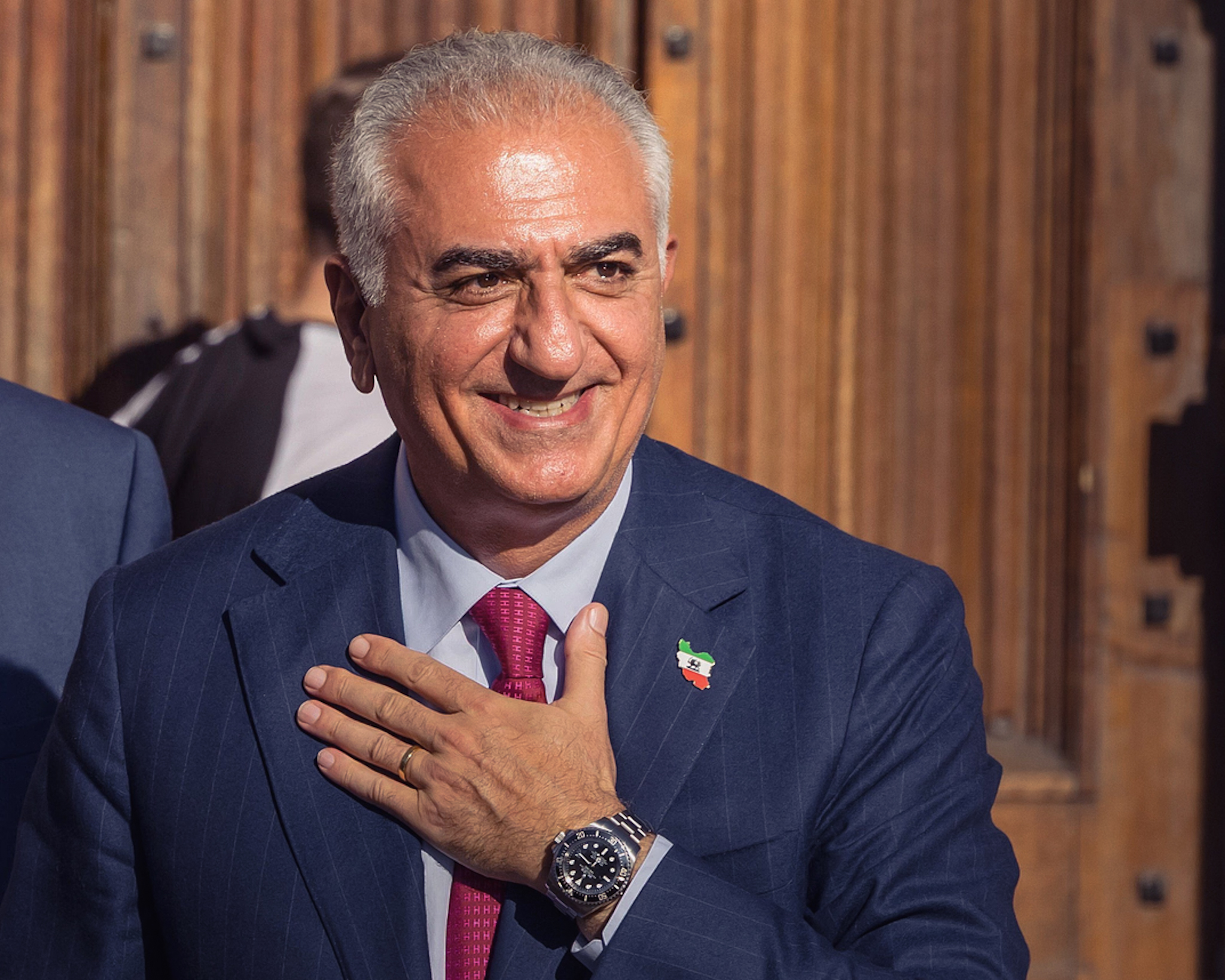
Reza Pahlavi, the son of the last Iranian shah living in exile, called on the US president to intervene sooner, describing the situation as a moment when the United States must make a decision.
Iranian Parliament Speaker Mohammad Baqer Qalibaf, meanwhile, warned Washington against a "miscalculation" that could lead to a wider conflict involving Israel, US bases, and naval forces.
China's protection and US diplomacy
The US call comes at a time when trade ties between Iran and the rest of the world have already been significantly affected by extensive US sanctions. Although Iran faces severe measures, it still exports most of its oil to China. Its other major trading partners include Turkey, Iraq, the United Arab Emirates, and India.
The Chinese embassy in Washington has sharply criticized Trump's approach. It stated that China would take "all necessary measures" to protect its interests and strongly opposed "illegal unilateral sanctions and long-arm jurisdiction." The Chinese official statement pointed out that trade wars have no winners and that unilateral pressure will not solve problems.
The White House chief is not stopping at economic threats. Over the weekend, he warned Iranian leaders that the US could attack if security forces opened fire on demonstrators. On Sunday, he made it clear that Washington could meet with Iranian officials and that it was also in contact with the Iranian opposition.
Human rights data point to the scale of the crisis. Late Monday, the American group HRANA confirmed the deaths of 646 people: 505 protesters, 113 military and security personnel, and seven bystanders. Another 579 deaths are under investigation.
According to the group, more than 10,000 people have been arrested since the protests began.
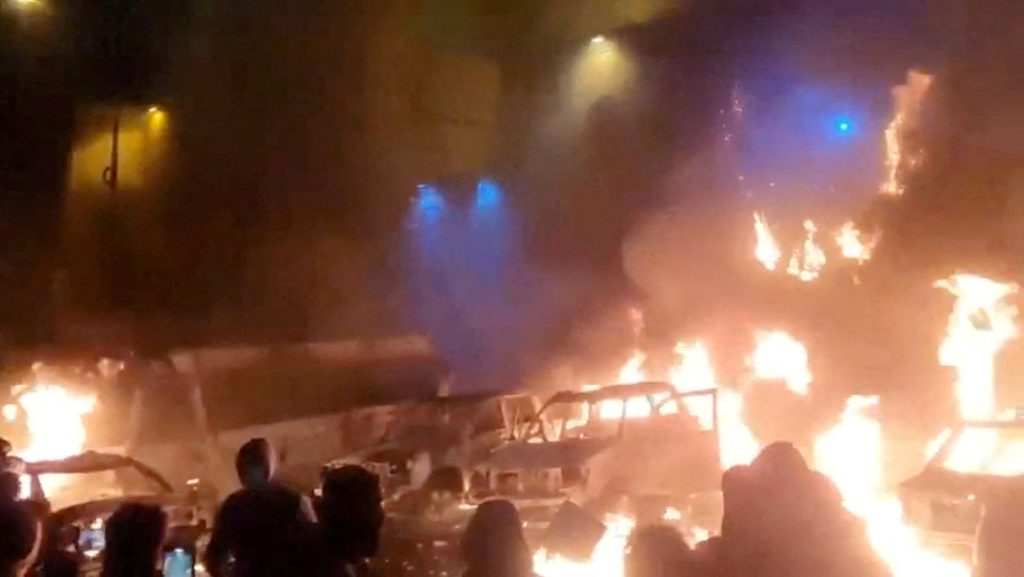
Protests in Tehran. Photo: REUTERS/social media
Reports from Iran also say that the families of the victims are gathering at the Behesht Zahra cemetery in Tehran, where they are chanting protest slogans at funeral ceremonies as an expression of their dissatisfaction with the regime.
Although cyber or military attacks are considered one of the "several alternatives" available to Trump, White House spokeswoman Karoline Leavitt emphasized that "diplomacy is always the president's first option."
According to her, there is a difference between the public statements of the Iranian regime and the intelligence information that the administration receives privately, and the president is interested in reviewing this information.
Iranian Foreign Minister Abbas Arakchi responded that Tehran is "studying Washington's proposals," although it considers them "incompatible" with Iranian interests. He noted that communication between him and US Special Envoy Steve Witkoff continued even after the protests broke out.
The US State Department also warned that American citizens in Iran face a significant risk of arrest or detention and urged them to consider leaving by land to neighboring Armenia or Turkey.
Fighting on four fronts
However, Iran officially presents the situation differently. State media blame the US and Israel for the deadly violence, presenting the deaths of security forces as the result of "actions by terrorists and foreign agents." The Ministry of Intelligence also announced the detention of "terrorist" groups responsible for the attacks, including the burning of mosques and attacks on military facilities.
In Enqelab Square in Tehran, Parliament Speaker Mohammad Baqer Qalibaf addressed a crowd that, according to official media, is fighting "on four fronts: economic, psychological, military war against the US and Israel, as well as war against terrorism."
According to Iranian authorities, the situation is "completely under control," even though 53 mosques and 180 ambulances have been set on fire since the protests began—an event they officially justify as a response by terrorist groups. Despite the wide range of protests, there are no clear signs of division in key institutions such as the army, security forces, or Shiite religious leadership.
However, the protests continue to spread, and Iranians using limited internet services or satellite connections (such as Elon Musk's Starlink) continue to share videos and testimonies of repression.
The demonstrations are not focused solely on economic hardship, but have grown into broader resistance to power groups, particularly the Islamic Revolutionary Guard Corps, whose economic interests span billions of dollars in industries ranging from oil and gas to construction and telecommunications.
Global oil prices hit seven-week highs on Monday as investors weighed the risk that Iranian exports would fall due to political chaos or new US measures.
Iran also remains under pressure after a 12-day conflict with US and Israeli allies in June, in which it lost senior commanders and saw its regional influence weakened.