
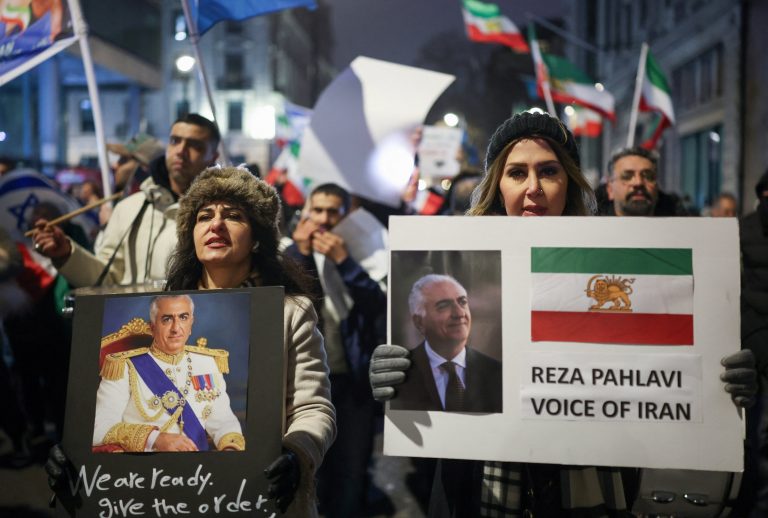
The highest representatives of the political West are not lagging behind either. The G7 countries are preparing new sanctions against Iran – even though they have already imposed anti-Iranian sanctions on just about everything possible. The French government is considering how to help Iranians access the internet with the help of French satellites, while Chancellor Friedrich Merz is giving the Iranian regime only a few weeks to live.
President Donald Trump is so concerned about human rights violations in Iran – or rather, pressured by Israel – that he does not rule out American intervention. To be on the safe side, he has imposed a 25 percent tariff on countries that trade with Iran. As usual, the Western version of events only partially overlaps with what is actually happening.
Three successive waves
Iran has experienced three waves of demonstrations in recent weeks. The first came in the last week of last year and was triggered by a drastic deterioration in the economic situation. The immediate cause was the collapse of the Iranian currency, which led to a sharp rise in prices and the impoverishment of broad sections of society.
However, the long-term cause of this is Western economic sanctions and extreme military spending, approaching 20 percent of the country's GDP and motivated by the American and Israeli threat. The December protests were peaceful and not anti-regime in nature.
At the beginning of January, a second wave arose, which looked different. Armed groups took to the streets, attacking the police, mosques, and public institutions. A spontaneous protest against poverty turned into an organized and armed attack on the system.
The regime defended itself, accused the attackers of terrorism, shut down the internet, returned fire, and began mass arrests. It is unclear how many people died. According to data from US-funded humanitarian organizations, hundreds or thousands of opponents of the regime were killed. The Iranian government reports that protesters killed more than 100 members of the armed forces in the clashes.
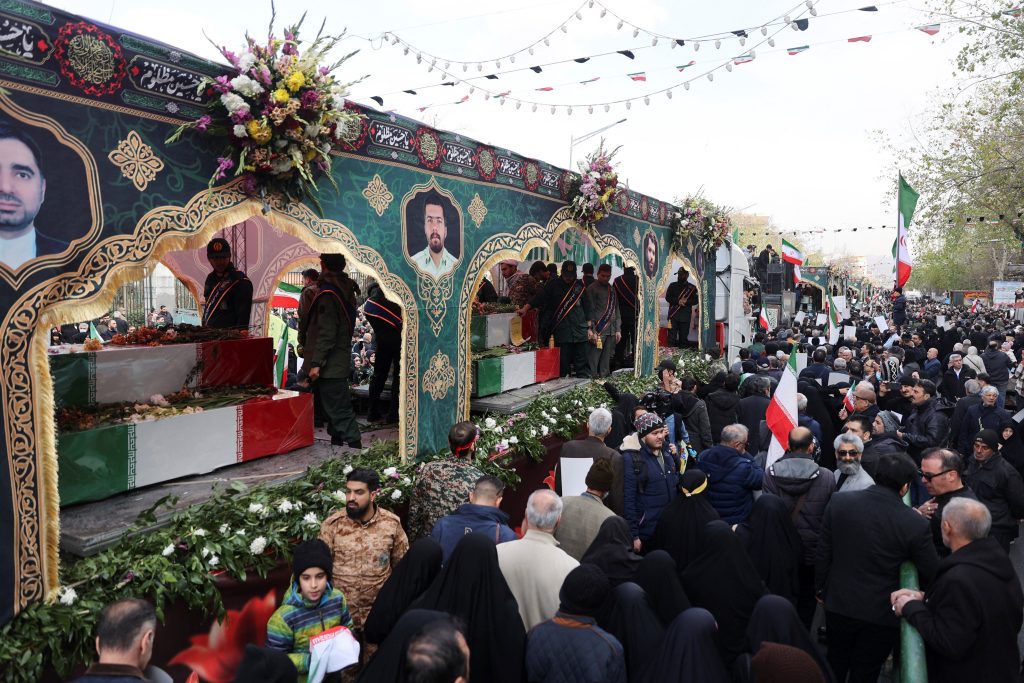
The third wave came in the second week of January. Government officials called on the public to take action in support of the government. The fact that the regime is able to fill the streets and squares not only in Tehran but also in a number of regional centers shows, at the very least, that it can count on the support of a significant part of society.
Although it is not clear how large this group of Iranians is, it is large enough that American and Israeli commentators with ties to intelligence services have begun to publicly question the stability of the Iranian regime and the possibility of its collapse. Some, however, are calling for foreign intervention to overthrow it.
This is nothing new, however. There is no doubt that the organizers of the second wave relied on the support of intelligence services hostile to the Iranian government – Mossad has claimed responsibility for its participation.
A familiar scenario
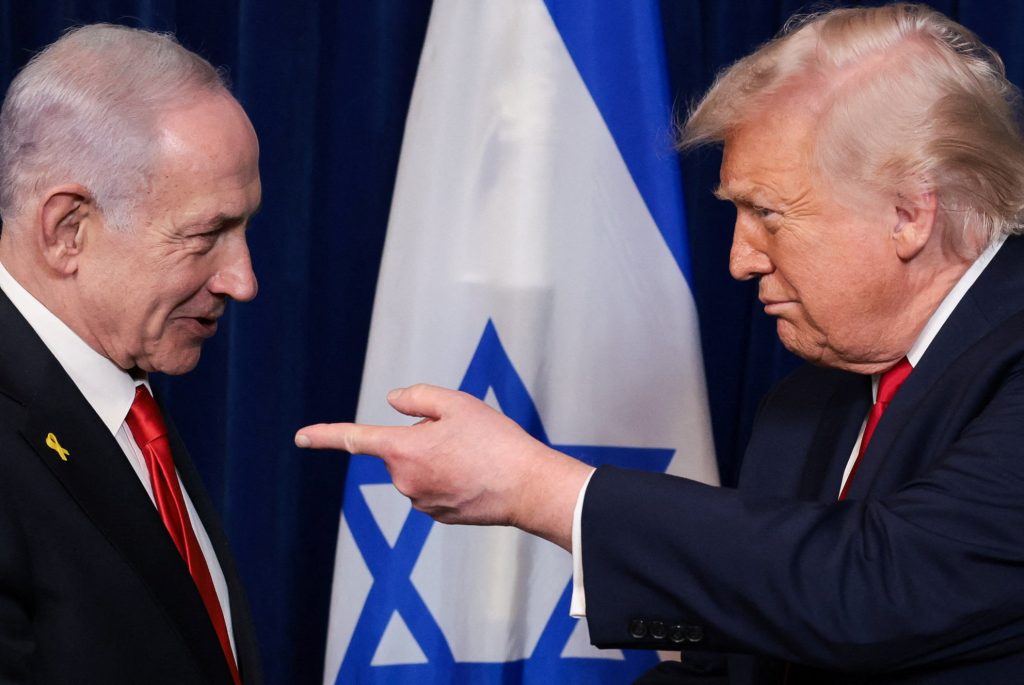
It is no coincidence that the wave arose after Prime Minister Benjamin Netanyahu's pre-New Year's Eve visit to Donald Trump, after which the US president warned Tehran against firing on demonstrators. However, he failed to mention that he was talking about demonstrators who themselves kill.
At the same time, it is no coincidence that Kurdish armed groups, which have been operating in the region as an American strike force for years, infiltrated Iran from Iraq during the same period. The complexity of relations in the region is then evidenced by the well-founded speculation that Iran eliminated these groups relatively easily thanks to information from Turkish President Recep Tayyip Erdogan—an American ally but an enemy of the Kurdish militias.
A familiar scenario has played out in Iran over the past month. In the first step, a government that the West considers hostile faces internal problems, usually caused by Western pressure, which lead to spontaneous demonstrations.
In the second stage, organized groups linked to external enemies of the government take control of the demonstrations and launch violent attacks on institutions or, under false pretences, on the demonstrators themselves.
In the next phase, the future course of events is decided: either the government falls and power is taken over by the opposition, as in Maidan, or it remains in power but loses control over part of the country, leading to civil war, as in Syria in the 2010s, or the government regains complete control over the situation, as in Nicaragua. Much depends on the involvement of external enemies or, conversely, the help of allies – Iran and Russia kept Syria afloat for ten years.
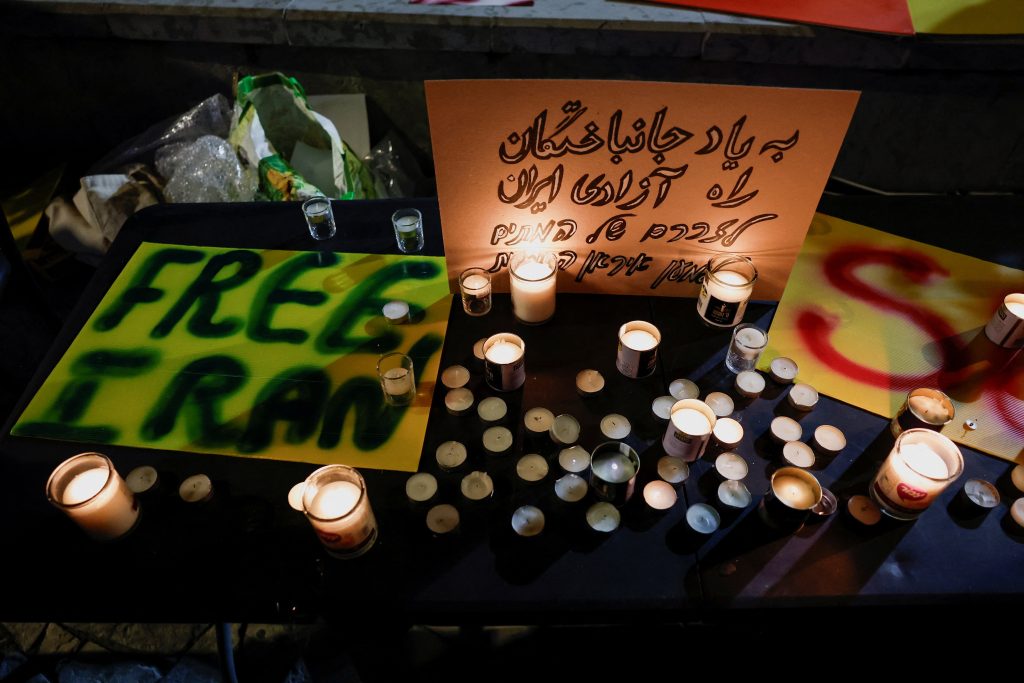
In Iran, it currently looks as if the country is heading towards the third scenario, in which the government regains control. However, the interests of external enemies argue against this. Israel is determined to destroy Iran, but it needs the US to do so. Trump is not interested in another war, but he is under pressure from the Israeli lobby. Moreover, he may be intoxicated by the successful American commando operation in Venezuela, leading him to the completely erroneous conclusion that something similar will work in Iran.
On the other hand, Iran also has allies. Russia neighbors Iran across the Caspian Sea, China buys oil from it, and India is building a strategic trade route to Eurasia via the Iranian port of Chabahar, bypassing Pakistan.
None of these superpowers wants the US to strengthen its influence in the region, and they certainly do not want regime change in Iran. The extent of their military assistance to Iran in the event of an American-Israeli attack is unclear, but it is certain that they will do almost anything else to support it. The West should be a little more cautious in its concern for Iran, because if it continues, its European part in particular may soon need sufficient care itself.