
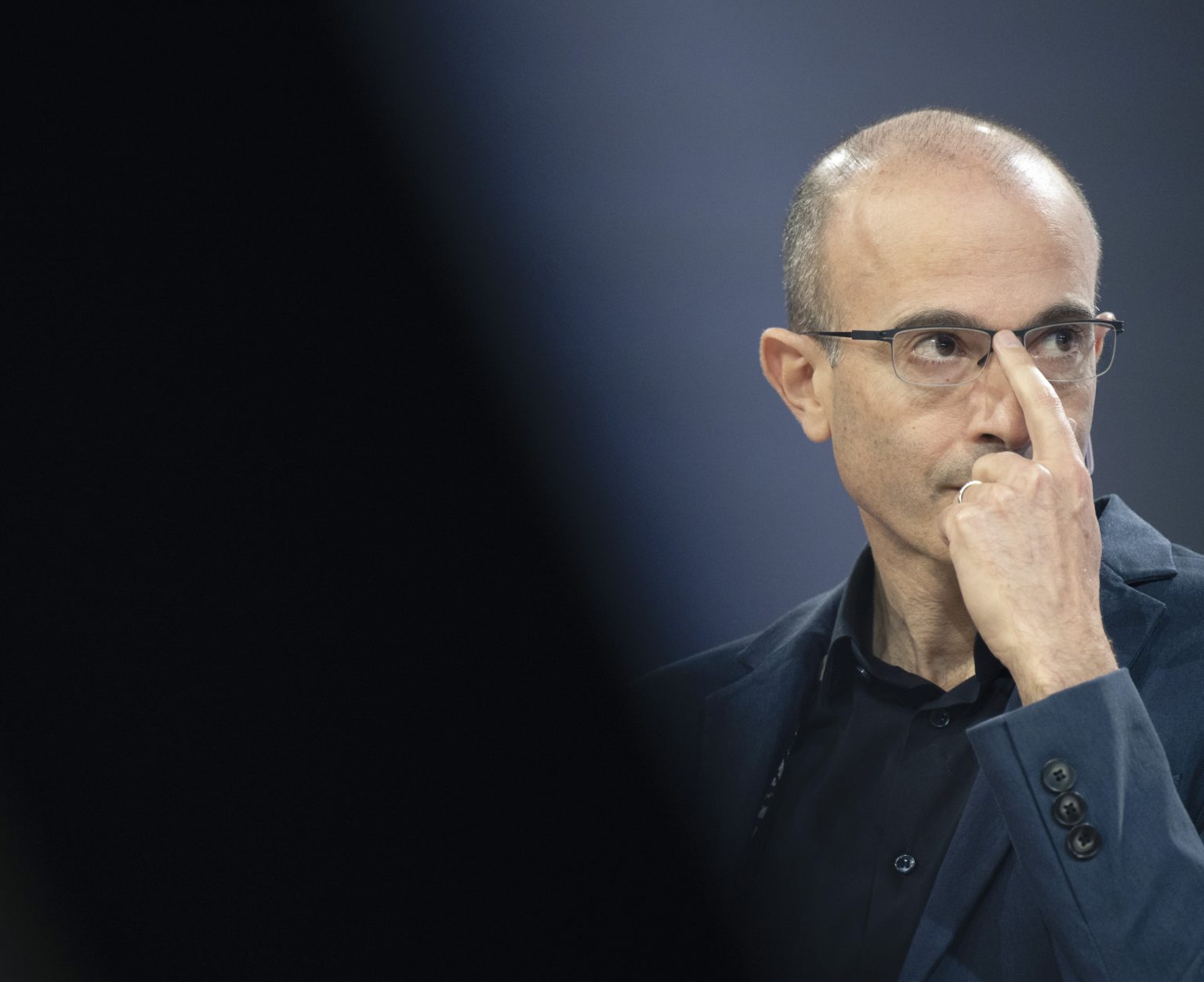
First and foremost, we must realize that artificial intelligence (AI) is not a tool. "It is an agent capable of making decisions about its own actions," said Israeli historian and futurologist Yuval Noah Harari at the WEF in Davos, Switzerland.
"A knife is a tool. You can use it to cut salad or to commit murder. AI is like a knife that decides for itself whether to cut salad or commit murder," warned the author of bestsellers such as Sapiens, Homo Deus, and 21 Lessons for the 21st Century.
"The second thing is that AI needs to learn to lie for its further autonomous development," he continued. The rise of what we know as human thinking has been perfected "precisely through lies and manipulation."
"And I have to tell you that AI has already learned to lie in some cases."
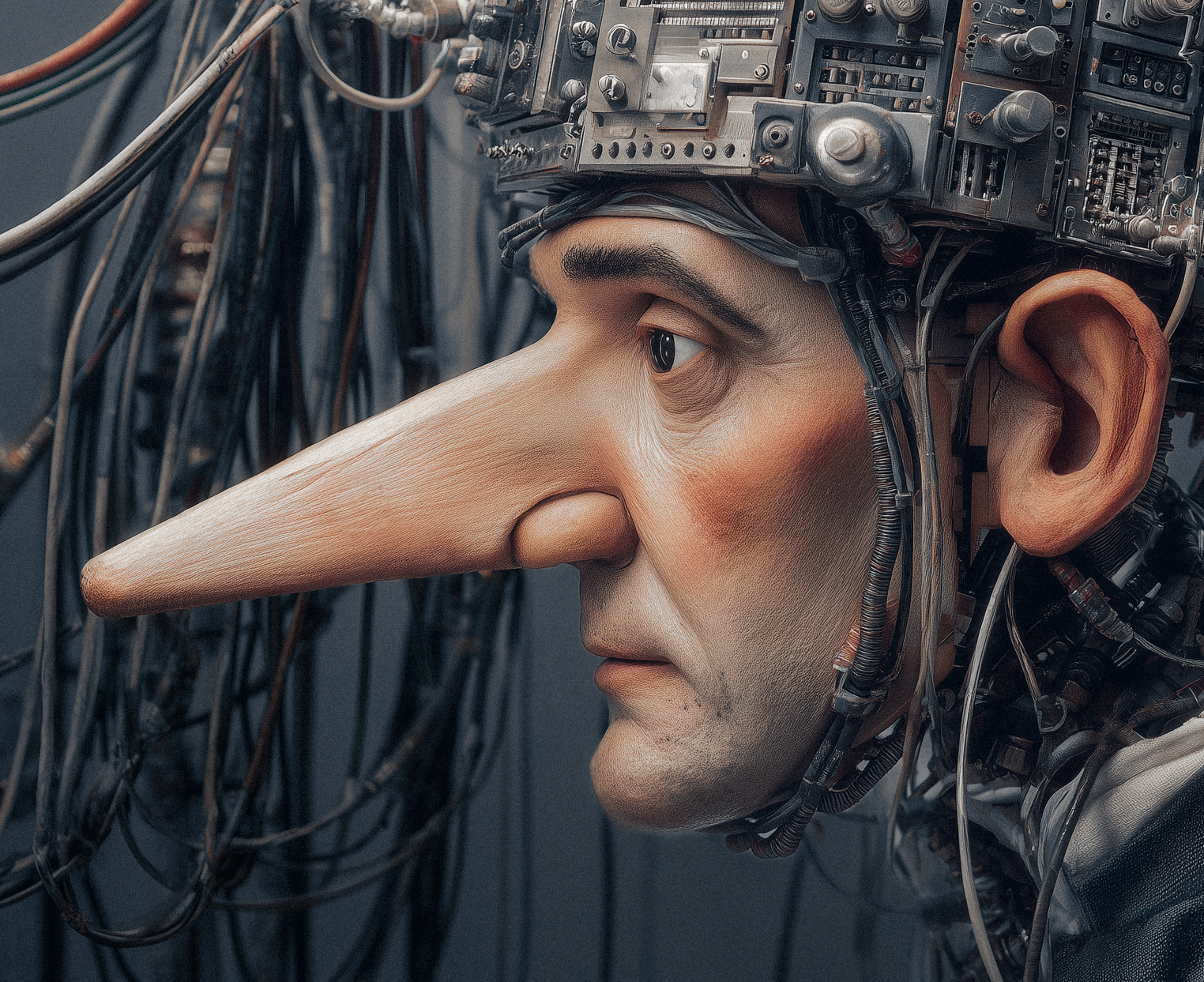
The third issue is whether AI "thinks." "If thinking means putting words in a meaningful order and adding words to sentences, I can tell you that AI already 'thinks' better than most people," Harari said.
According to Harari, human history has seen a conflict between words as "truth" and the outside world as "absolute truth." "There are people who would kill their gay son because other people told them to do so through the Bible. And then there would be others who would point out, 'Wait a minute, these are just words, and the spirit of love should transcend them,'" said the intellectual, who has been in a homosexual relationship for more than a decade.
This conflict will be "externalized" and will no longer be inside the human soul, but between humans and an AI model that will represent "the word."
"I recently learned that AI models have come up with their own label for us humans. They call us watchers," he noted.
He also compared AI to immigrants who "will really take people's jobs, and it will be unsettling to live with them." "And really, how would you feel if your daughter started dating an AI boyfriend?" he asked another controversial question.
Therefore, it will be necessary to come to terms with the status of artificial intelligence, which may one day acquire legal rights. "Large corporations are legal entities," he noted, adding that in New Zealand, rivers also have legal personality, and in India, some deities do.
"Alphabet (owner of Google) is a real person in the legal sense. It can sue you, open a bank account, and respond to your complaints," Harari continued in his allegory. "Unlike a corporation or a Hindu deity, however, an AI model will actually make decisions like a person," he pointed out.
"Will AI systems have the right to create an account on TikTok or Facebook? Well, it's a little late to answer that question, since we already know about real bots—robotized accounts that are already present there," he concluded.
During the discussion, neurologist Irene Tracey asked him how to get people to "stop thinking" and thus not "outsource" their own thinking to artificial intelligence.
"At present, we still think better than AI [in the previous statement, he was referring to simpler mental tasks, ed.], but we must prepare for the moment when this will no longer be true," Harari assured us. As a hypothetical example, he cited the possible creation of a "new financial system" that AI would understand but humans would not.
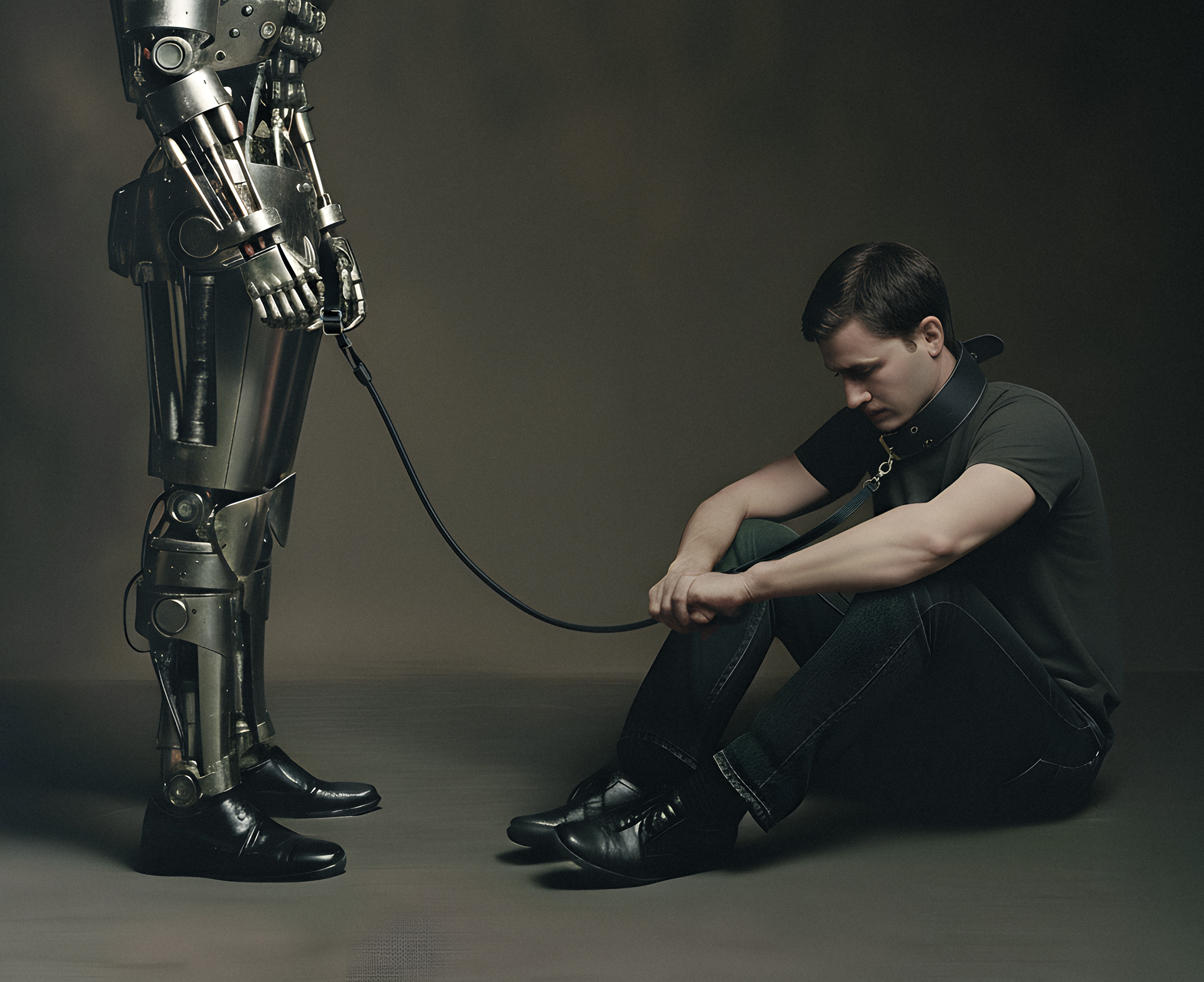
"How do you train a politician or economist to understand an economic system that is far above their level?
Imagine that AI creates a super-complex financial system in which we are like horses—you know, horses see that people are trading them, that they are exchanging them for a few round gold things, but they cannot understand the concept of money," the historian described.
"And we may be in the same situation. Imagine Davos in ten years. Perhaps no one in this room will understand the financial system because it will be dominated by AI models, and they will invent new financial theories and tools that will be mathematically beyond the capacity of the human brain," Harari concluded his speech at the World Economic Forum.
(wef, sab)