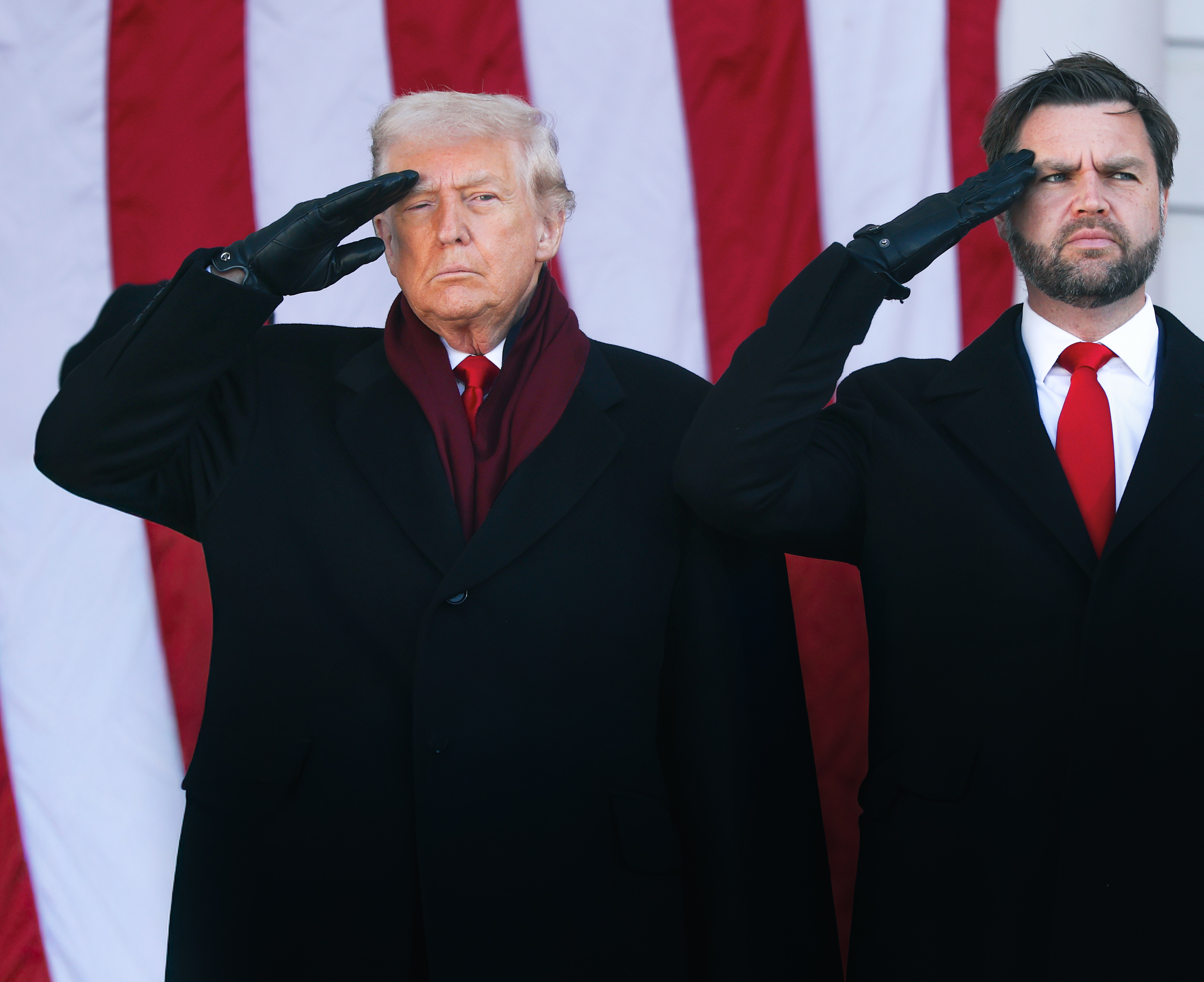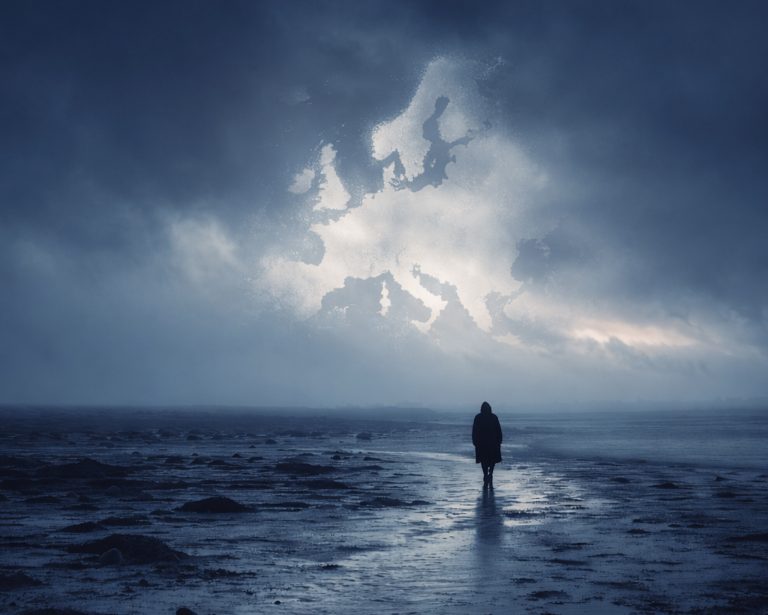
Friedrich Merz, Emmanuel Macron, Canadian Prime Minister Mark Carney —all have agreed in recent days that the harsh reality must be accepted. European Commission President Ursula von der Leyen has called for Europe's independence from the US.
After Thursday's meeting of EU leaders in Brussels, the true picture is gradually emerging in its unvarnished form: that the transatlantic crisis has catapulted the European bloc into a harsh new reality.
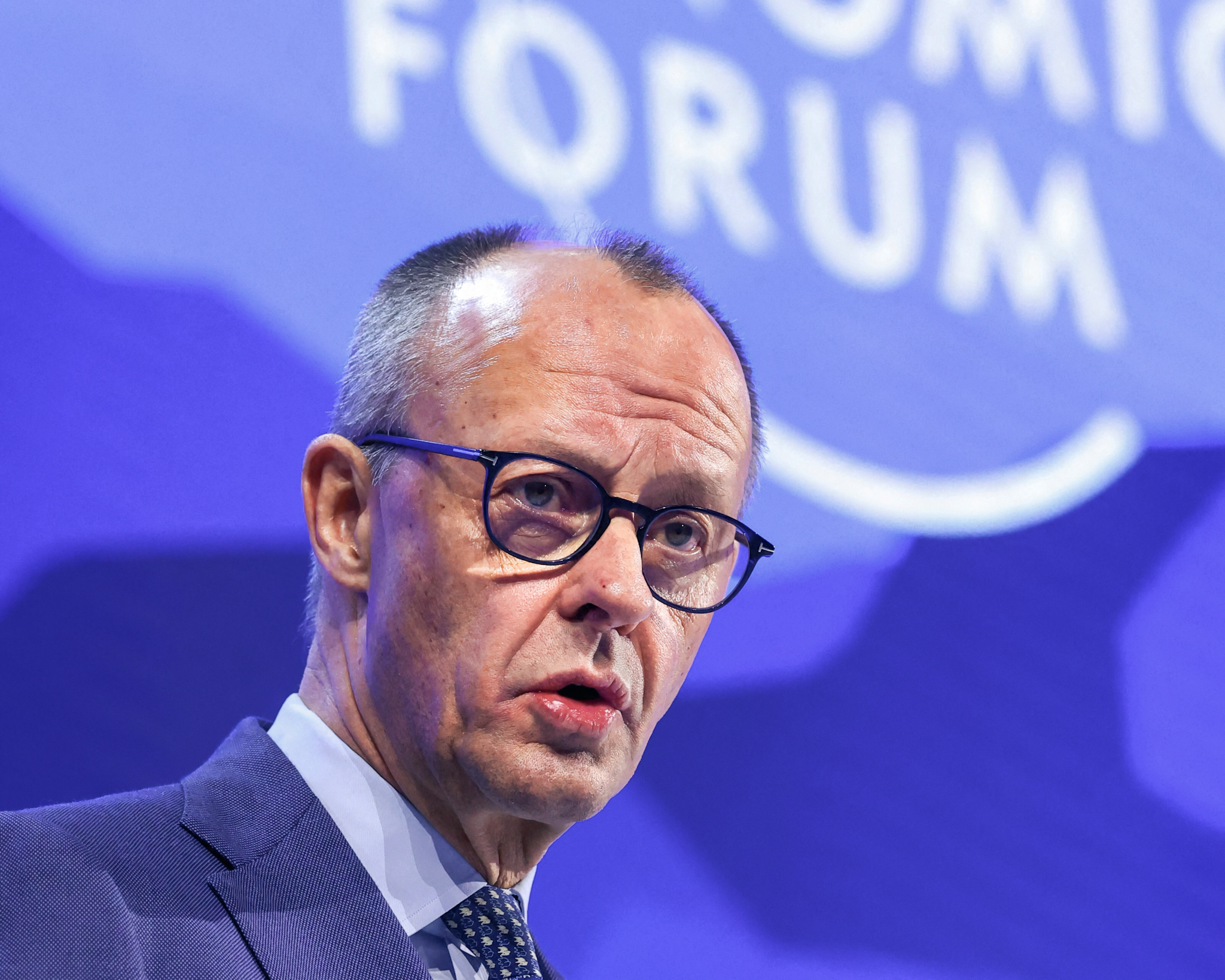
The world—and especially the Western world—has begun to gallop toward a destination where the boundaries are not yet clearly defined. Even Germany's ailing chancellor characterized the situation in Davos as "the old world order is disintegrating at a dizzying speed."
Let us recall that not long ago, the ambassadors of 27 EU countries met to discuss a response to Trump's efforts to acquire Greenland and his threat to impose sanctions on eight European countries that had sent military troops to the island.
Euro leaders have maneuvered themselves into a delicate situation with their long-standing disorientation. For years, they have tried to be obedient to the US, whose imperialist claims sparked a war in Ukraine, only to now silently watch as their strongest NATO ally seeks to occupy the territory of an EU member (Danish Greenland).
When you spend years preaching that Russia is the only country threatening the territorial integrity of Europe, you are bound to end up with a similarly bizarre outcome.
Europe was reportedly considering retaliatory tariffs against the US. This was supposed to be a response to Trump's tariffs, which he announced he would impose on eight European countries that sent small garrisons to Greenland for its "defense."
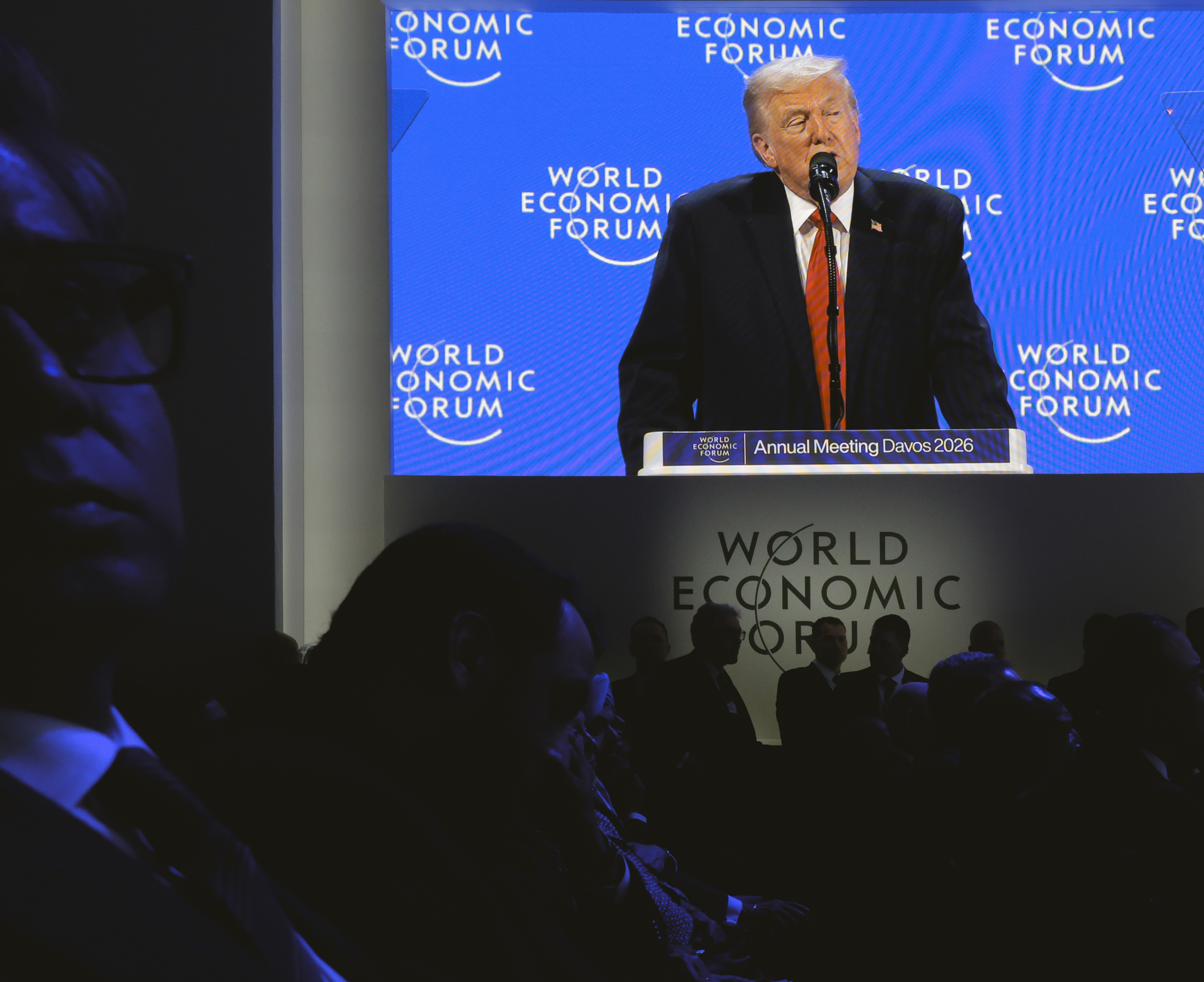
Trump finally declared on Wednesday in Davos that he would not use force to acquire Greenland, but the details of the agreement with the Europeans are not yet known. However, it is clear that the 1951 agreement between the US and Denmark, under which the Americans can build military bases on the island, will be amended.
If the European Union were to activate economic pressure to defend Greenland and attempt to achieve independence, it would be the right move, but incomplete. Facing Russia on one side of the map and the United States on the other in this situation requires, above all, a reassessment of plans for Ukraine.
Trump has clearly not been afraid of the European Union so far. The approach of European leaders during last year's tariff war, when the EU accepted a humiliating agreement, convinced him of the state of Europe's "capacity for action." Maroš Šefčovič, who negotiated the agreement, spoke quite openly about the fact that it was not only about trade but also about geopolitics – namely, appeasing the US so that it would remain in Ukraine and not leave Europe alone.
The new meaning of blitzkrieg
It is our duty to put pressure on Trump in his attempt to occupy part of Europe. However, an attempt at positional defense against their feudal lord can only succeed if they renounce their obedience in Ukraine.
Trump was not even deterred by Germany's maneuver, which withdrew its small military garrison from Greenland less than two days after his tariff threats. Immediately afterwards, Trump said that Europe would not resist his efforts to acquire Greenland.
Although Trump eventually toned down his rhetoric about the use of force, it is clear that Macron's verbal calls for the Union to activate its "economic bazooka" or European Commission President Ursula von der Leyen's declarations about how the EU will become a military superpower, will not be enough to thwart Trump's geopolitical ambitions in the Western Hemisphere.
The US president keeps saying that Greenland is a strategic territory for his security policy, and as long as he sticks to this belief and no new framework agreement on Greenland is signed, Denmark's sovereignty over the island may still be at risk.
Von der Leyen talks about the need for the Union to develop its own security strategy and build large armies. Brussels should certainly consider its own security strategy, independent of Washington's ambitions and demands. But in a completely different way than the current Brussels elite is "considering" it.
Ukraine weakens Europe
The current imperial ambitions of the US in the Western Hemisphere are not independent of those that determine the situation in Ukraine. It was Washington that provoked the war in Ukraine, despite warnings from Europe. Today, America has withdrawn from the war and left it on the shoulders of Europe, which still obediently reports that it will "fight" to the end, i.e., until Ukraine is weakened to the limit.
And so, European leaders are organizing small groups of volunteers who are supposed to guard the peace in Ukraine. When Europe recently attempted to assemble a contingent of several tens of thousands to "guard the ceasefire" on the front line, it ended in embarrassment.
A twentyfold smaller garrison of inexperienced soldiers from countries that are afraid to fight was supposed to stand up to a Russian army of more than half a million, tested by real war and familiar with the environment, and guard a 1,200-kilometer front line—thus demonstrating a force that would deter the Russian bear from violating a potential ceasefire. However, even for this small contingent, there was no political will in Europe.
The Germans said they would not go ahead without the US. Gradually, several other key countries, which otherwise touchingly parrot how they will do everything for Ukraine because Ukraine is supposedly fighting for us, also backed out. Not only are these words at odds with reality, but their proponents themselves are unwilling to act on them when push comes to shove.
Putin must have felt really scared... Today, he is fighting in Ukraine knowing that his main geopolitical rival (the US) has withdrawn militarily and financially, and that Ukraine's remaining supporters (the EU) are a laughing stock. This is the situation we find ourselves in after four years of rejecting reasonable agreements in Ukraine.
We insisted that the war must be ended by force. The result is that Russia is advancing, taking more than it previously demanded in peace proposals, and today it no longer has an opponent that could realistically stop it. As for the Ukrainian army, the question is not whether the front will be broken, but when.
Given Europe's capabilities and its tactic of "containing Trump," it is essential that Europe, with its "strategy" in Ukraine, puts itself at the mercy of both Trump and Russia.
Greenland in the hands of the superpowers
There is another important argument at play here, one that is overlooked or emphasized only by Trump. Greenland could be an important territory in terms of the global missile chess game between the two nuclear superpowers. It is an island that Denmark will not be able to defend if Moscow and Beijing gain control over it in the long term. This is one of the reasons why the US president is suggesting that either he will take it, or it will be even worse.
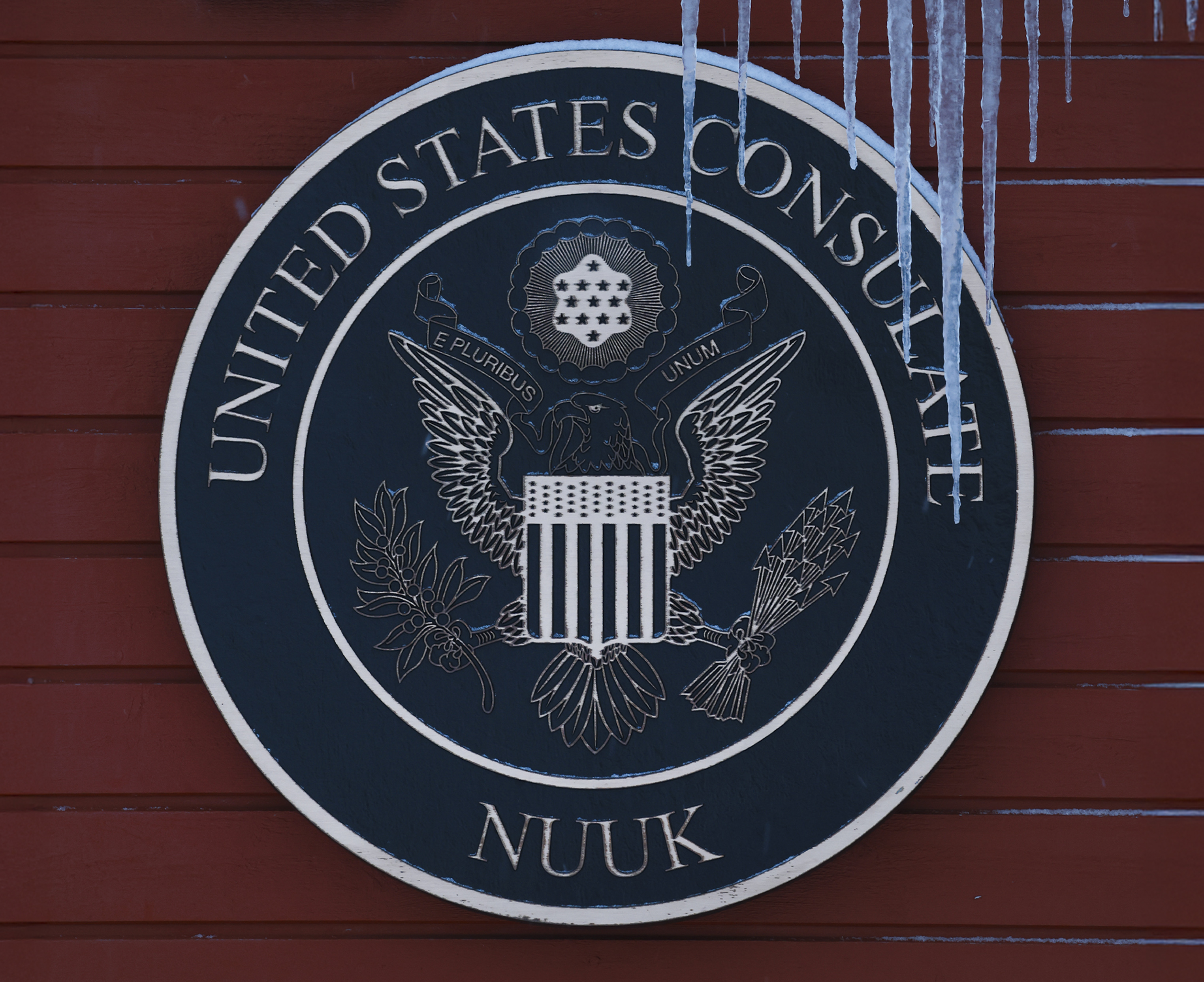
Trump is therefore operating with the threat that it is too great and dangerous a luxury to leave Greenland "for God's sake" to Denmark, a country the size of Slovakia, whose army is thousands of kilometers away. Even if Denmark theoretically wanted to defend its island, for example against Trump, it doesn't have much to work with – its military resources are being drained by Ukraine. The same is true for the rest of Europe. We can always expect our "Euro-intelligentsia" to maneuver themselves from one embarrassment into an even worse one.
Greenland is of great geostrategic importance. Whoever controls Greenland also controls the sea routes from Russia to the Atlantic Ocean. From Greenland, the US has missile range to Russia, and vice versa, and this also applies to possible flight paths for nuclear weapons. Under such circumstances, Europe's protest in the form of a few small US garrisons will certainly not be convincing.
For its current rebellion against its key ally, Trump's US, to have any meaning, Europe would first have to end its foolish involvement in allowing itself to be defeated in Ukraine in the worst possible way. Trump is not the only one who has long understood that Ukraine is lost to Washington; now it is the Europeans' turn.
Otherwise, they will suffer. However, there is little hope for this. The clearer it becomes that a major defeat awaits us in Ukraine, the more European leaders link the fate of the European Union to the necessity of defeating Russia, which will not happen.
The EU's room for maneuver is currently disproportionately limited by Ukraine, which does not mean as much to the Union as it so grandly declares. And although European leaders are not currently willing to admit this publicly, it will not mean much in the future either. This is a war in which Europeans are to be weakened militarily, energetically, and economically. And that suits Trump today. Obedient vassals are thus unable to resist his wild plans.