
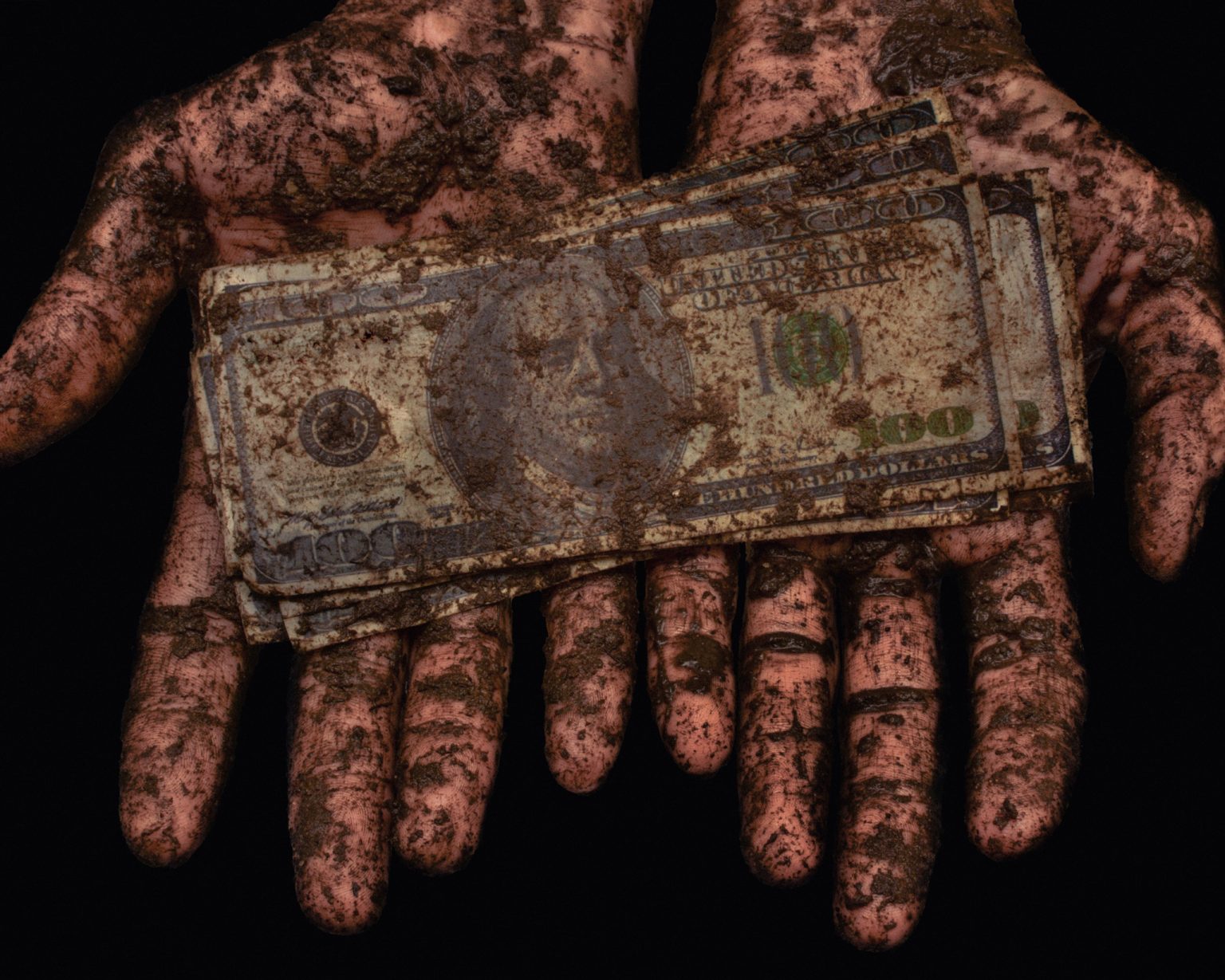
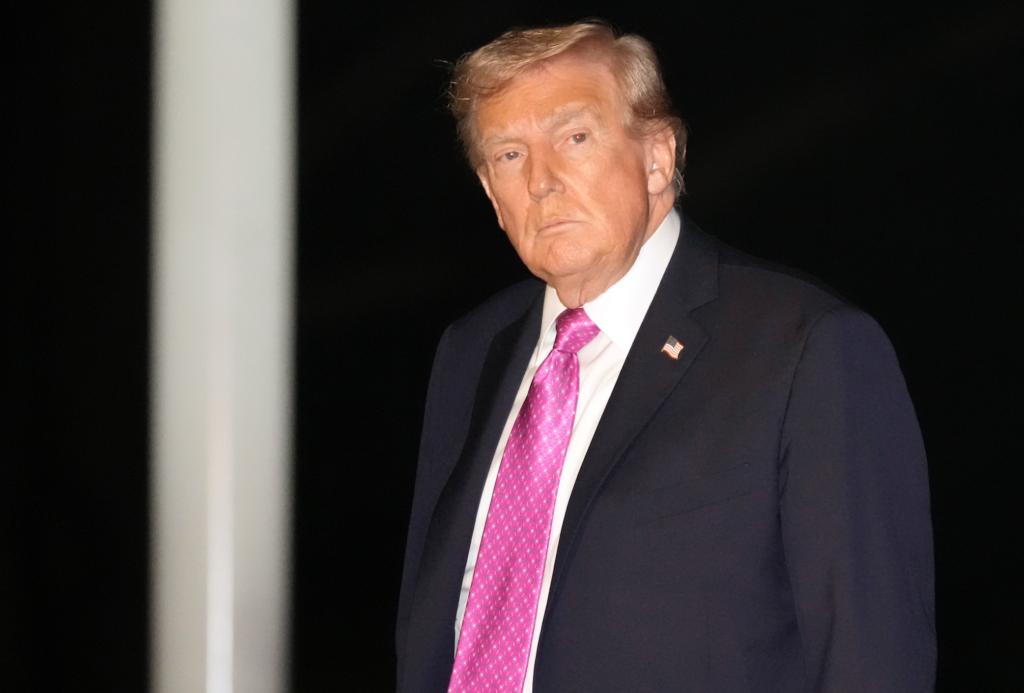
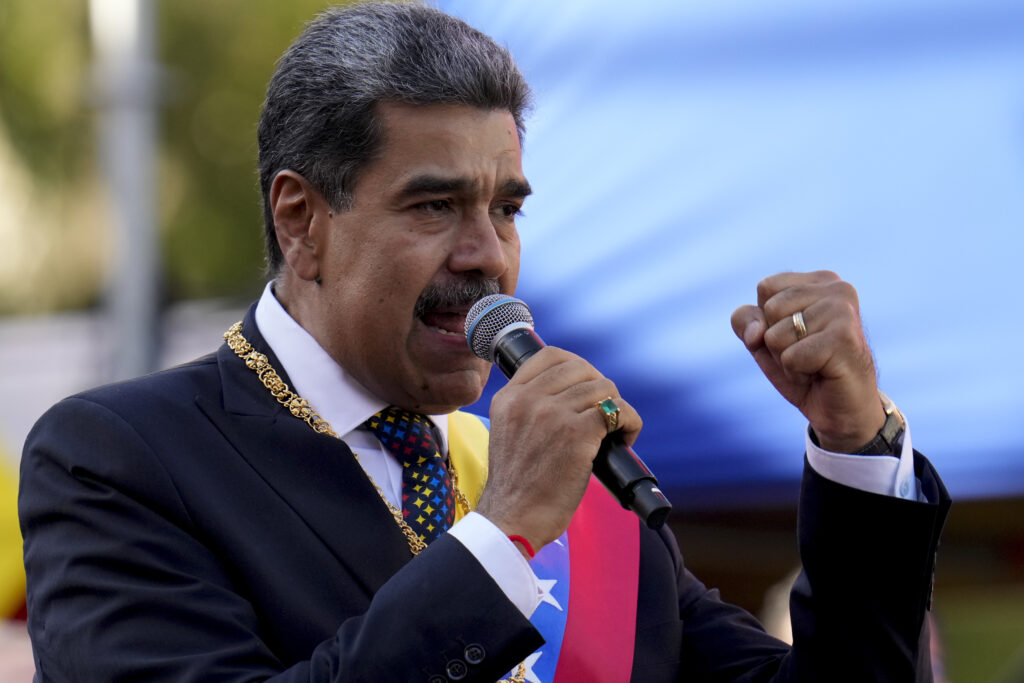
The kidnapping of Venezuelan President Nicolás Maduro and his wife to the US on charges of narco-terrorism lasted only briefly as a defense of unprovoked aggression. Shortly thereafter, President Donald Trump openly told the world that the main reason for invading the South American country was its huge oil reserves.
Trump publicly urged large oil companies to start working on rebuilding Venezuela's oil infrastructure, which will be managed by the US. He added that the US would thus "sell much larger volumes of oil" and that the restoration of nationalized American oil companies would be "paid for by Venezuela."
From the perspective of international law, America's military operation is a clear violation of the norms that are supposed to protect sovereign states from aggression. The theft of raw materials from a country that has been attacked by an aggressor and their subsequent sale – exactly what Donald Trump announced – is also a clear violation of international law.
Oil trade worth billions
The US has not limited itself to the country's oil reserves, but is also detaining its oil tankers in the Caribbean Sea. Officially, this is a detention of tankers as part of sanctions imposed by the US. Homeland Security Secretary Kristi Noem said in this regard that the detention was carried out by the military, and shortly thereafter, the US completed its first sale of Venezuelan oil worth $500 million.
The sale took place as part of a $2 billion oil sales agreement between the US and the new government in Venezuela. Trump said that he expects interim President Delcy Rodríguez, who replaced Maduro, to hand over full control of the country's oil industry to the US, otherwise Venezuela would risk another military attack.
The paradox is that America earned up to 30 percent more money from the sale of this oil than Venezuela did a few weeks ago. Suspicions are also raised by the fact that the US sold Venezuelan oil to the multinational company Vitol, whose chief trader, John Addison, donated nearly $6 million to Donald Trump's presidential campaign.
A much bigger problem, however, is the apparent takeover of Venezuela's oil and oil industry by the US through military force or the threat of its use, which constitutes a violation of international law, as does a military attack and the subsequent kidnapping of President Maduro.
Experts say it is impossible to take resources from another country.
Professor Michael Schmitt, a leading expert in international law who teaches at several universities, described "the American attacks on ships and the arrest of Maduro as a clear violation of international law" and described the US attack on Venezuela as a war from a legal point of view, "because the use of hostile actions between two states clearly triggers an armed conflict."
Legal expert Matthew Waxman of Columbia University points out in this regard that "an occupying military power cannot enrich itself by taking the resources of another state, but the Trump administration will likely argue that the Venezuelan government never legitimately owned them," describing these actions as "ignoring international law."
The contradiction from the perspective of international law is that if the US or the international community recognizes another person (illegitimately installed by America) as the legitimate representative of the state rather than the one who has legal legitimacy in the territory (Nicolás Maduro), a dispute arises over who has the legal right to dispose of state property and conclude commercial contracts.
On this point, however, it can be argued that the legitimate representative of the state is not the person appointed to head the state by the aggressor. Commercial agreements between countries concluded in this manner cannot be considered valid and legitimate, and in fact are only a "legal cover" for classic theft or the seizure of enemy property through the use of military force.
International law prohibits the plundering of a country.
International documents prohibit the destruction or seizure of enemy property as a means of harming the enemy. However, enemy property may be destroyed or seized in exceptional cases if such destruction or seizure is urgently required for military purposes.
Extensive destruction or appropriation of property (the entire oil industry of a country) that is not justified by military necessity and is carried out illegally and arbitrarily (without properly concluded contracts) is a serious violation of the Geneva Conventions.
If a country in conflict appropriates the property of another country, as Donald Trump presents in relation to the oil industry in Venezuela, from the perspective of international law, this constitutes the war crime of pillage.
This includes the act of appropriating any property for private or personal use by a party to an armed conflict without the consent of the owner and with the intention of depriving the owner of the property, where such action is not justified by military necessity. Internationally, such conduct is prohibited by the Geneva Convention or the Rome Statute (the US is not bound by it).
The purchase of confiscated oil is also a violation of the law.
From the perspective of international law, therefore, there have been (as yet unconfirmed) numerous violations by the US – a military attack in Venezuela (presented by Donald Trump as a police action), the kidnapping of President Maduro, and the subsequent seizure of oil without proper legal formalities. However, trading in such confiscated oil is not only a violation of the law on the part of the selling United States, but also on the part of the buyer or state.
Massive oil exports would violate the prohibition on plundering and could lead to claims for damages, but the states that purchased such "illegal" oil would also have a problem. The principle of non-recognition is a cornerstone of modern international law and stems primarily from the principle that no right can arise from injustice.
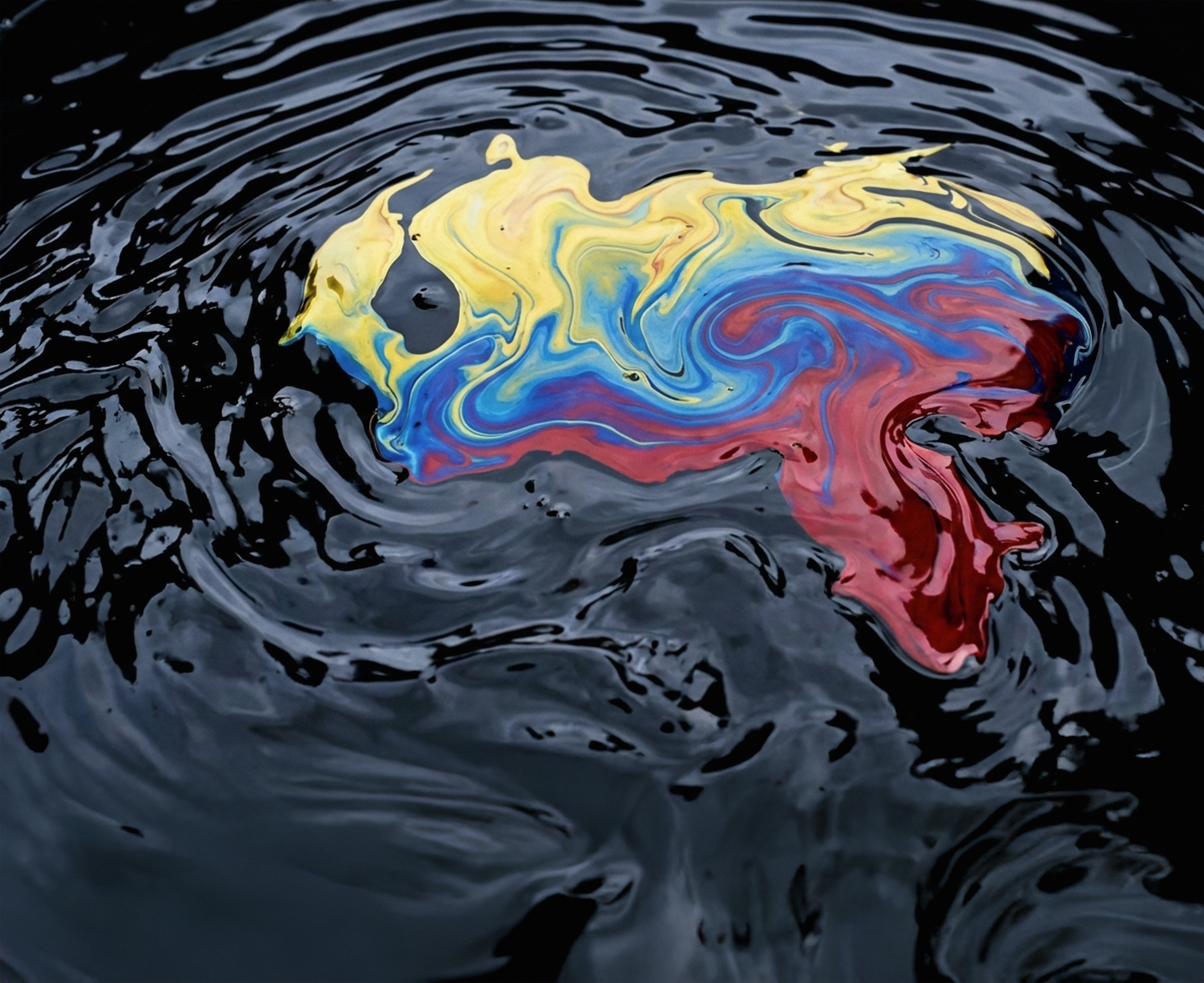
According to this principle, states have a legal obligation not to recognize as legal a situation that has arisen from a serious violation of the norms of law—especially if there has been a violation of the prohibition on the use of force (attack on Venezuela). This means that no gains obtained through aggression or the threat of force may be accepted internationally.
The further sale of such oil would constitute trading in the proceeds of an unlawful situation, and third states could thereby violate their obligation not to recognize and support the unlawful situation.
The world suddenly tolerates profiteering
In theory, the US should face sanctions or blockades from other states for its aggression and violation of international law, as seen in the case of Russia and its attack on Ukraine. The same fate should befall countries that buy "captured" oil, similar to the sanctions imposed on countries supporting Russian aggression by processing sanctioned oil and subsequently exporting it.
In practice, however, the world can see the reluctance of world leaders to even label military interventions in South America as violations of international law. In such a case, it is misguided to say that such weak politicians will be able to impose any sanctions for non-compliance with international rules.
It is therefore not surprising that the US can openly talk about invading and appropriating Greenland (Danish territory) without fear of any (at least economic) retaliation. In the case of Russian aggression, the Western world reacted quickly and continuously by imposing an increasing number of sanctions packages.
In the case of American aggression, there is apparently no force that can stop the violation of the law. The subsequent legalization of trade in stolen oil (including through tolerance of the legal status) will represent a further shift in the boundaries of what the world considers civilized behavior.
America even earned a third more from this trade than the country that owns the oil, which only shows the power and cynicism of global trade. What may be illegal for ordinary mortals – the purchase of stolen goods – is actually a source of greater enrichment for the world powers.
If a stronger country wants to enrich itself or kick-start a declining economy, it simply attacks a weaker neighbor and plunders its raw materials. Following the example of the US, it is then sufficient to install a puppet government, which will sign all the formal agreements on the "nationalization" of the desired resources.
This is already working today. In the future, international buyers can look forward to new sources of trade, and some "nonsense" from the old world, such as the rule of law, will not stand in the way of their profits.