
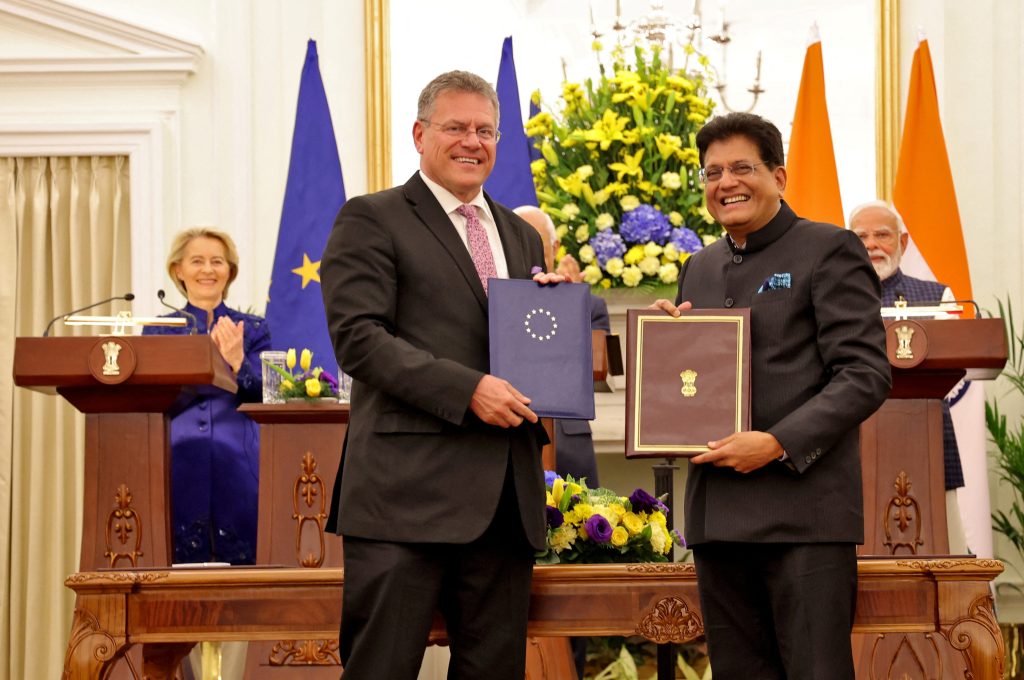
On January 27, after nearly twenty years of intermittent negotiations, representatives of the European Union and India ceremoniously concluded a landmark free trade agreement. Among other factors, the United States, which recently imposed high import tariffs on goods from India and the EU, contributed to the success of the negotiations.
This forced these economic blocs to seek an emergency solution. It should be noted that Brussels finalized the agreement with India just a few days after concluding a controversial agreement with Mercosur, the signing of which was also partly the result of economic tensions between the US and the old continent. However, Indian Minister of Commerce and Industry Piyush Goyal rules out any American "contribution."
Pros and cons
Indian Prime Minister Narendra Modi said that the European-Indian economic partnership will account for 25 percent of global GDP, one-third of global trade, and one-quarter of the global economy. According to several sources, the agreement should be signed and enter into force later this year.
"The EU will eliminate tariffs on more than 90 percent of tariff lines, representing 91 percent of trade value. India will eliminate tariffs on 86 percent of tariff lines, representing 93 percent of trade value. In addition, both sides will partially liberalize a significant number of other tariff lines," according to the European Commission's website.
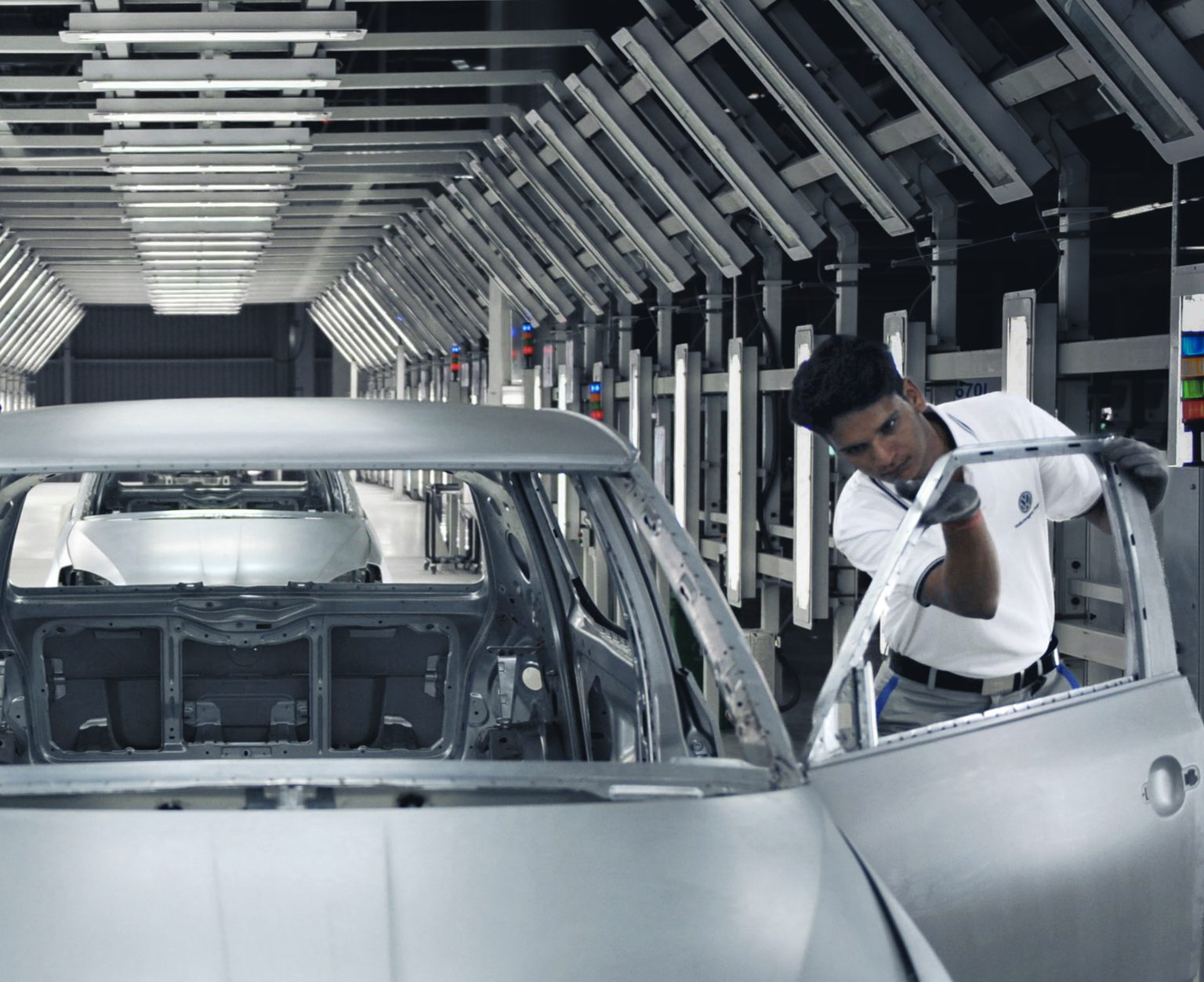
In addition to the steel and food industries, the automotive industry, especially Volkswagen, BMW, Mercedes-Benz, and Renault, should also benefit from the agreement. Tariffs on most cars will fall to 30-35 percent and then to 10 percent over five years, with reductions in tariffs on electric cars beginning only in the fifth year of the agreement.
"From Slovakia's point of view, it is important to note that we have also managed to open up the market for the automotive industry," said European Commissioner for Trade and Economic Security Maroš Šefčovič. The agreement was also welcomed by President Peter Pellegrini and Foreign Minister Juraj Blanár.
The strict determination of the origin of goods set out in the agreement will also prevent goods from third countries from passing through India into the EU for the purpose of unauthorized use of customs advantages.
Less cited
"Prime Minister Narendra, we both know that our greatest asset is our people. That is why I am so pleased that we are signing a mobility agreement. We will facilitate the movement of students, researchers, seasonal workers, and highly skilled workers," said European Commission President Ursula von der Leyen, adding that this will benefit "the friendship between our nations" and "our economies."
According to von der Leyen, the European Union and India are natural strategic partners because "they have a lot in common" – among other things, they are reportedly united by the fact that they are "the two largest democracies" in the world. However, her words on migration did not make it into most of the media in Europe.
The President of the European Commission announced that the first European Legal Gateway Office of its kind will be opened in India to facilitate the smooth flow of migrants into EU countries. According to von der Leyen, it will serve as a "single center to support the transfer of talented Indians to Europe in full compliance with the needs and policies of EU member states."
In addition to the free trade agreement, the European and Indian delegations also approved an agenda entitled "Towards 2030: A Joint Comprehensive Strategic Agenda for India and the European Union" during the negotiations on January 27. The full text is available in English and Hindi on the website of the Indian Ministry of External Affairs and is also indirectly mentioned by the Times of India portal.
The agenda is divided into five chapters and a number of subchapters, with migration being the last one. According to the agenda, the pilot office of the European legal entry gateway is to "provide information and support for the movement of workers to the EU," with "modernization and simplification of Schengen visa procedures through the planned digitization of visa processes."
Importing labor
Czech Prime Minister Andrej Babiš refuses to simplify the conditions for obtaining a long-term work permit for Ukrainians who are already in the Czech Republic, but at the same time he has promised to bring 100,000 foreigners to the Czech labor market. He was therefore genuinely pleased with the agreement between Brussels and Delhi on social media.
At the end of last year, more than 9,200 Indians were working in Slovakia, making them the second largest nationality among migrant workers in Slovakia after Ukrainians, surpassing Serbs, Czechs, and Romanians. In the Czech Republic, the number of Indian employees is steadily increasing, but has not yet reached Slovak levels.
According to the Slovak Spectator portal, employers are showing increased interest in Indians. This includes the IT sector, development centers, technical industries, kitchen staff, massage therapists, and, last but not least, production line operators, i.e., manual laborers. Some employment agencies in Slovakia and the Czech Republic even use Indians as advertising faces for their companies.
"Our company has been cooperating with foreign partners for a long time and ensures the arrival of employees from several countries outside the EU, including India. We welcome the simplification of the conditions for the legal arrival of workers," Miroslav Kudlej, founder and director of the Proplusco agency operating in Slovakia and the Czech Republic, told Štandard.
Similarly, the Index Nosluš agency has been offering labor from India for some time and welcomes the Indian-European agreement. However, it adds that the European framework of the agreement may cause an influx of Indian workers into other EU member states that are competitors on the Slovak labor market.
"Index Nosluš already sees Indian workers as a great asset. What is holding us back is mainly the impermeability of the embassy. If the processes are simplified from 2027, I believe it will be a huge step forward... The overall acceleration and predictability of the visa process would be a major shift towards giving preference to employees from India for many employers," explains Darina Mokráňová, Executive Director for Slovakia and the Czech Republic, to Štandard.
Russia, which is significantly affected by a permanent decline in fertility, emigration, and losses on the Russian-Ukrainian war front, also plans to import hundreds of thousands to millions of Indians. The influx of migrants from India, but also from Africa and China, has been growing significantly there for several months, and a similar development can be seen in Belarus.
However, migration from culturally very different countries also brings with it certain risks. Cases of brutal sexual assaults and gang rapes are reaching significant proportions in India. In the United Kingdom—where, unlike in many EU countries, the nationality of the perpetrator is reported—Indians have ranked first in official statistics on serious crimes and sexual assaults in recent years.
When analyzing the negative impact of immigration, the crime rate among immigrants is most often cited. However, immigration from the world's most populous country, home to more than 1.4 billion people, can have a significant long-term impact on some European countries and noticeably reshape their political, religious, and ethnocultural landscape.