Opening the discussion
The statements made by the former Irish president, despite causing a wave of outrage among Catholics, also brought many positive developments. They brought into the public debate a topic that had not particularly excited anyone for centuries, as it was common practice.
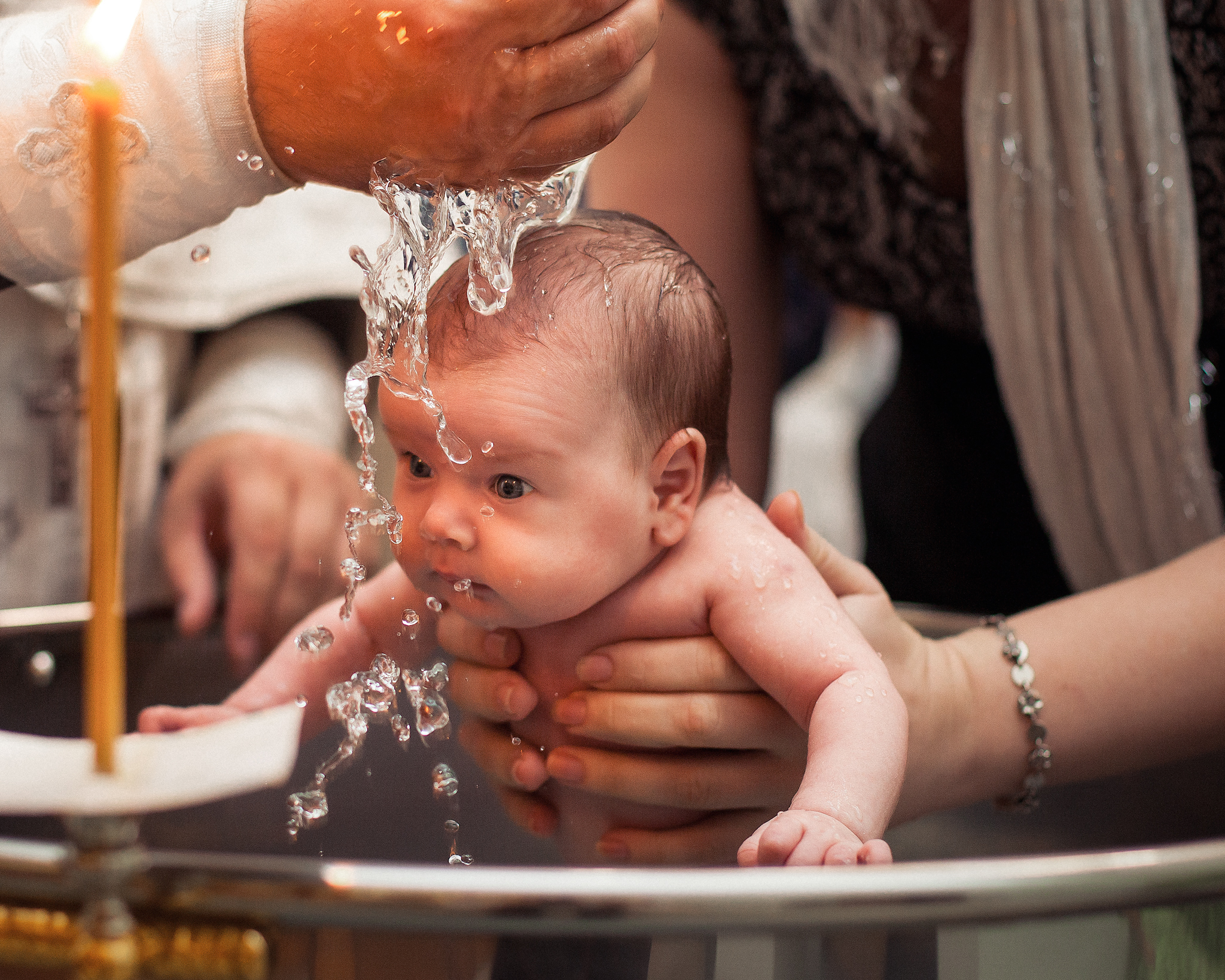
Theologians, educators, and bishops have all expressed their views on the matter. They agree that baptism is one of the fundamental sacraments of the Church and has been understood since the very beginnings of Christianity as an entry into the life of faith and into the community of the Church.
Already in the first centuries, entire families, including children, were baptized. The Church did not understand this practice as a human custom, but as a response to Jesus' command: "Go therefore and make disciples of all nations, baptizing them..." (Mt 28:19) Baptism is above all God's work—a gift of grace that a person receives not because he or she "deserves" it, but because God loves him or her.
The discussion also included arguments against objections that this is a violation of children's rights. The baptism of children does not mean a denial of freedom. On the contrary, it is an act of parental love and responsibility. Parents make many fundamental decisions for their children even before they are capable of independent judgment: they provide them with care, education, and direction in life.
The baptism of children is therefore not an "imposition of faith" but an invitation to a journey. The Church always expects that faith will develop gradually. It is within the Catholic Church that there are other sacraments, especially confirmation, in which a person personally and freely confirms the faith into which they were introduced through baptism. If they later decide to follow a different path, the Church cannot and does not want to force them to believe.
Sacraments are not legal contracts
An important point in this discussion is the difference between the modern understanding of human rights and Catholic moral theology. Criticism of infant baptism often stems from a legal framework that emphasizes individual autonomy and consent.
Catholic theology, however, pursues a different goal: the good of the human person in its entirety, including the spiritual dimension and eternal life. Sacraments are not legal contracts or administrative acts, but signs of God's grace.
Faith is like language. No one would blame parents for teaching their child to speak "against their will." In the same way, faith is passed on from generation to generation.
The Church baptizes children not out of a desire to dominate or control, as the former Irish president interprets it, but out of the conviction that God's grace is a gift that should not be delayed. The Church is a caring mother who desires to give her children the best from the very beginning.