US President Donald Trump refers to Greenland as a strategic asset that Washington could purchase, while Denmark asserts its legal sovereignty over the island. According to the Inuit, who have lived in this territory for centuries, no one owns the Arctic territory.
They argue that the concept of collective ownership is central to Inuit identity. It has survived three hundred years of colonization and is enshrined in law: people can own houses, but not the land beneath them.
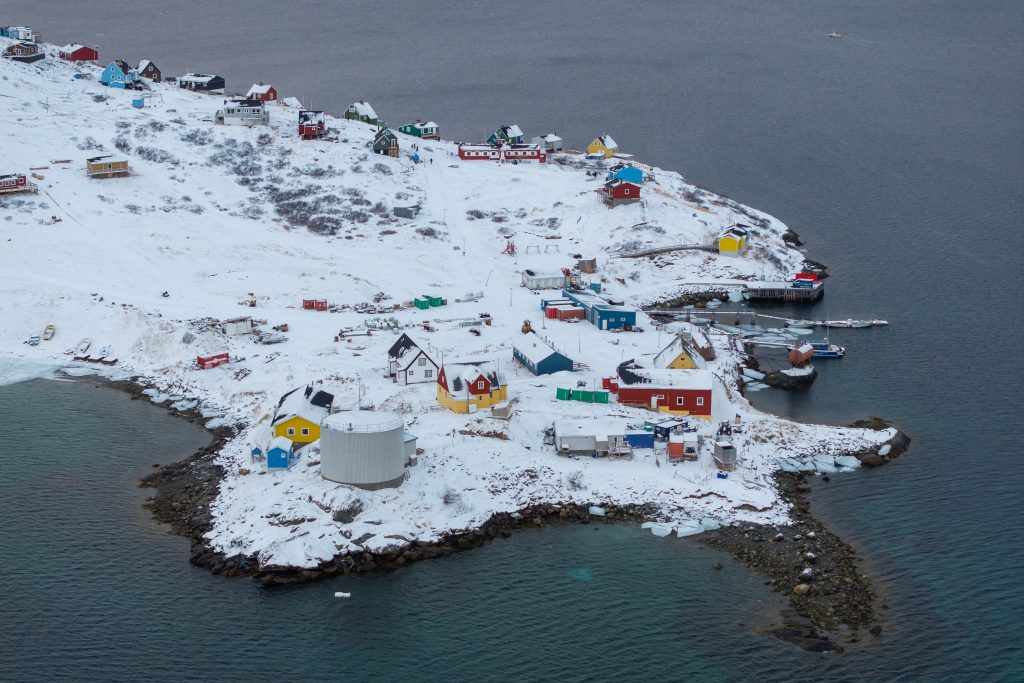
"We can't even buy our own land, but Trump wants to buy it. That's so strange to us," said 74-year-old Kaaleeraq Ringsted in Kapisillite, a small settlement of wooden houses that stretches along the shore of a fjord east of the capital Nuuk.
"Since childhood, I've been used to the idea that you can only rent land. We've always been used to owning our land collectively."
Free life in nature
Ringsted, a former fisherman and hunter born in Kapisillit, spoke in a small church standing on a cliff above the village, accessible only by a steep wooden staircase, where Ringsted now teaches catechism.
It is deep winter, and the sun rarely rises above the surrounding mountains.
The settlement scattered below also has a school, a grocery store, and a service house where residents can shower and wash their clothes. The small infirmary has basic medical supplies. A job offer for a clinic employee hangs on the door.
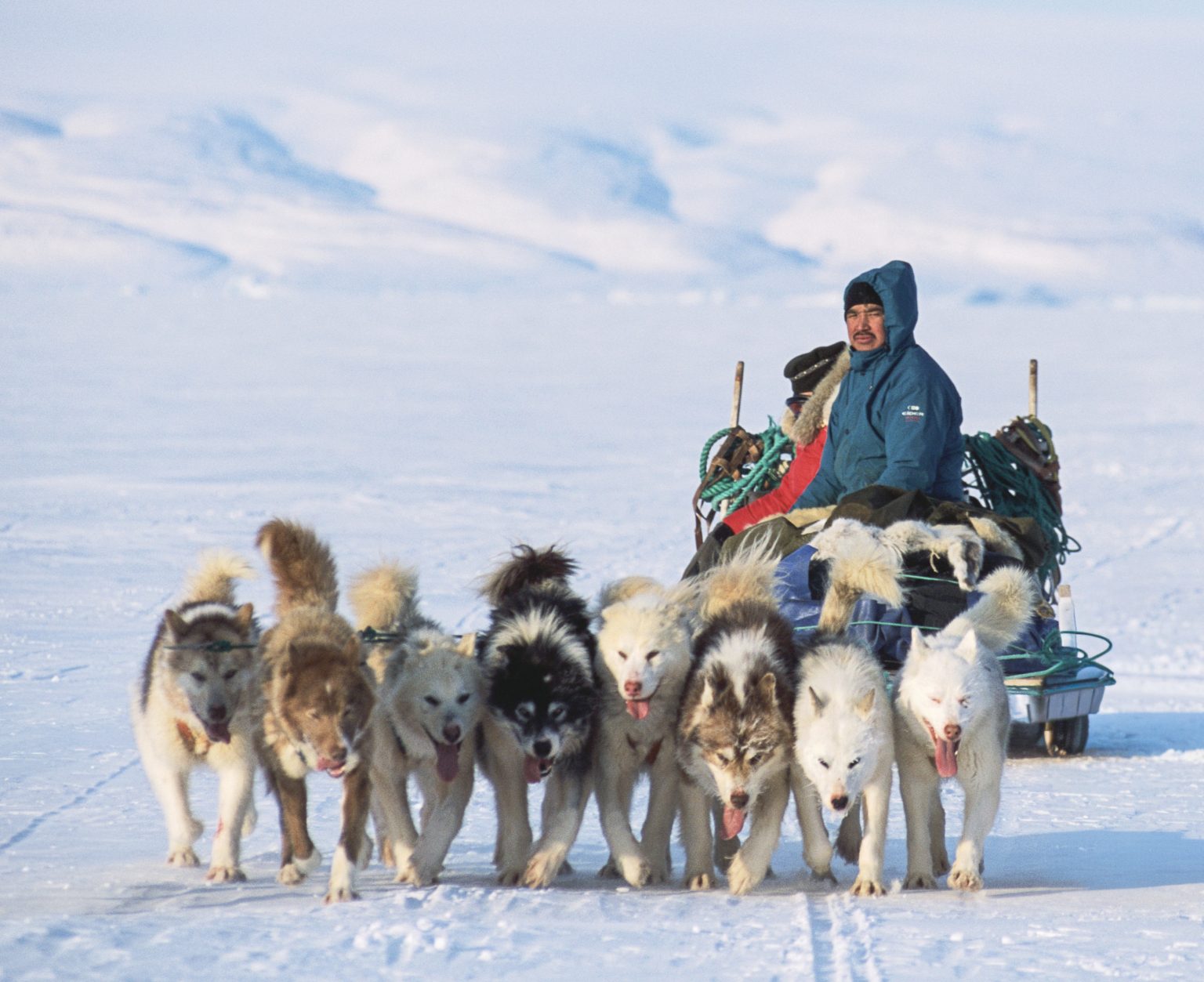
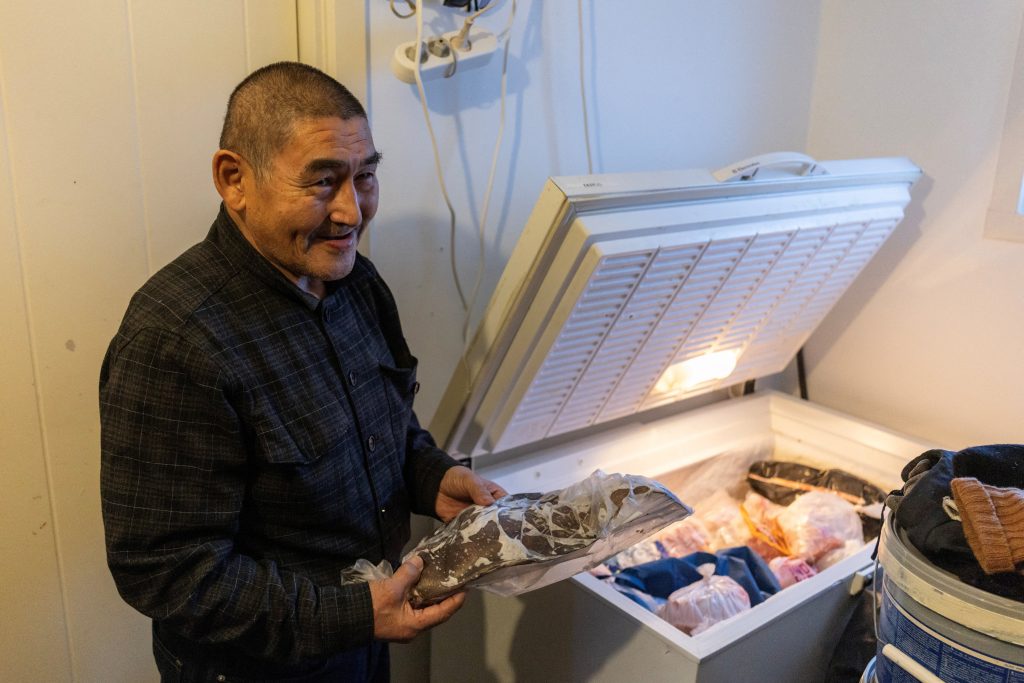
It is a place of raw beauty and challenging logistics. The small pier is a lifeline—once a week, a boat brings supplies from Nuuk, and from there, fishermen and hunters set out to catch seals, halibut, cod, and reindeer.
"We've always had a free life here in nature," says Heidi Lennert Nols, who runs the village. "We can sail and go anywhere without restrictions."
Protectors, not owners
Greenland and its inhabitants came to the world's attention last year when the US president revived his demand that the US take control of the island for reasons of national security and access to its rich mineral resources.
Trump has since backed away from threats that the US could occupy the island by force, saying that he has secured full and permanent access to Greenland for the United States as part of an agreement with NATO. However, many details remain unclear.
Villagers said they had watched the headlines, but it was not something they talked about much.
"People here are interested in the day ahead. Is there food in the fridge? Okay, then I can sleep a little longer. If not, I'll go out and catch some fish or shoot a reindeer," said Vanilla Mathiassen, a Danish teacher living in Kapisillit who has been working in towns and villages across Greenland for 13 years.
Ulrik Blidorf, a lawyer from Nuuk and owner of Inuit Law, confirmed that Greenland, an autonomous Danish territory, has no private land ownership.
"You can't own land in Greenland," Blidorf said. "It's been that way since our ancestors came here. Today, you have the right to use the area where you have your home."
Nearly 90 percent of Greenland's 57,000 inhabitants are indigenous Inuit, who have lived on the island continuously for about a thousand years.
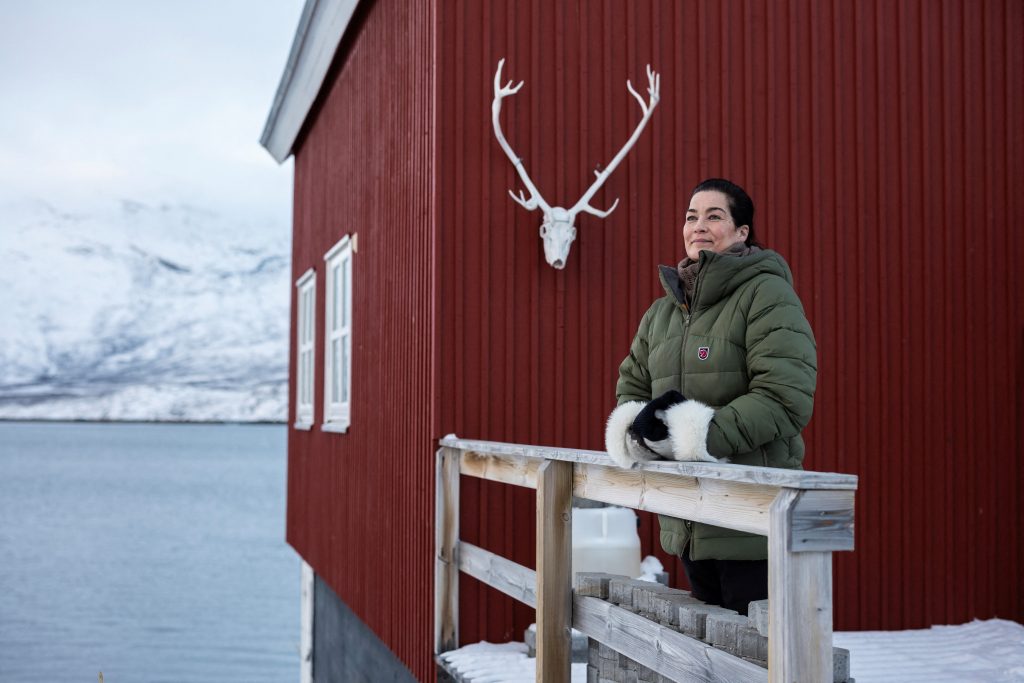
Rakel Kristiansen, from a family of Inuit shamans, said that their nation considered themselves temporary guardians of the land.
"In our understanding, land ownership is the wrong question," she emphasized. "The question should be who is responsible for the land. The land existed before us and will exist after us."
In Greenland, it's about survival
A cold wind blows from the Greenland ice sheet into Kapisillit. Two sea eagles circle above the fjord and seagulls gather around the fishing boats.
Here, the emphasis is on survival.
However, there are fewer hunters and fishermen today because in recent decades, people have been lured away from the settlement by the appeal of education, jobs, and services.
At school, eight-year-old William, seven-year-old Malerak, and seven-year-old Viola are the only remaining students, learning under a map of Greenland printed in 1954 and going sledding during recess. All three are moving away soon, and the school is in danger of closing.
For the wealthy residents of Nuuk, new vacation homes have been built along the bay, some with outdoor hot tubs. In winter, they stand empty and closed.
From a nearby cliff, you can see a fjord full of glaciers. The scenery could attract tourists, but the village lacks even basic infrastructure.
"There is a risk that the settlement could disappear," says Nols. "People are getting older."
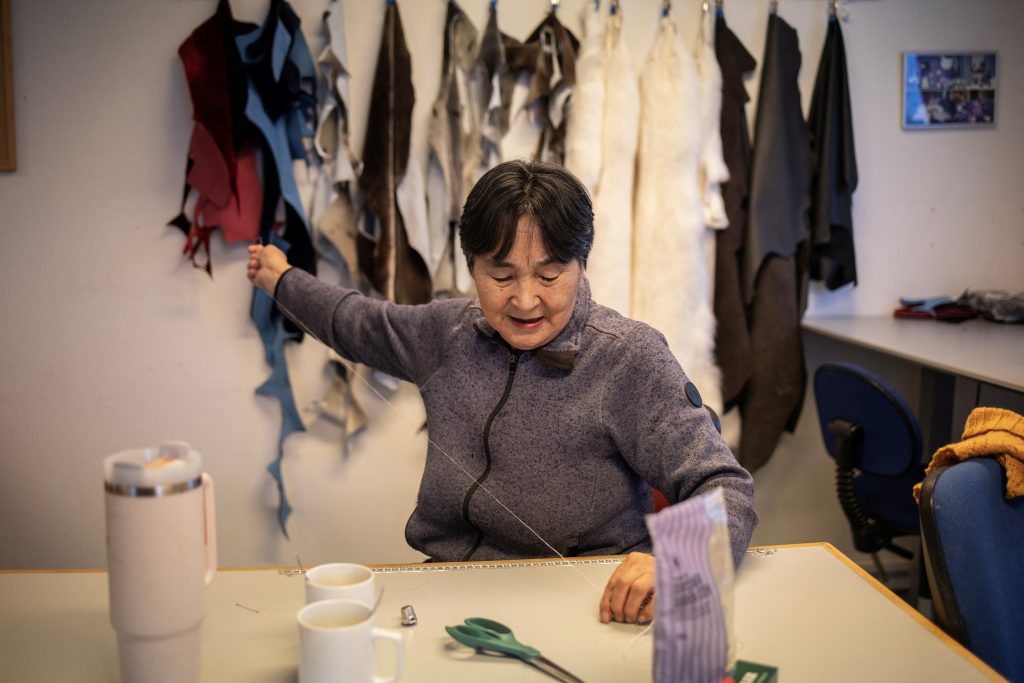
Kapisillit once had nearly 500 inhabitants, recalls Kristiane Josefsen, who has lived here all her life. Today, there are 37. The 60-year-old works with sealskin, plucking it and processing it into national costumes, which she sells in Nuuk. "Processing seal skins is physically very demanding work," she adds.
Although she plans to retire this year, she has no intention of leaving Kapisillit. "I'm staying here. I belong here," she said. "This is my land. Greenland is my land."