
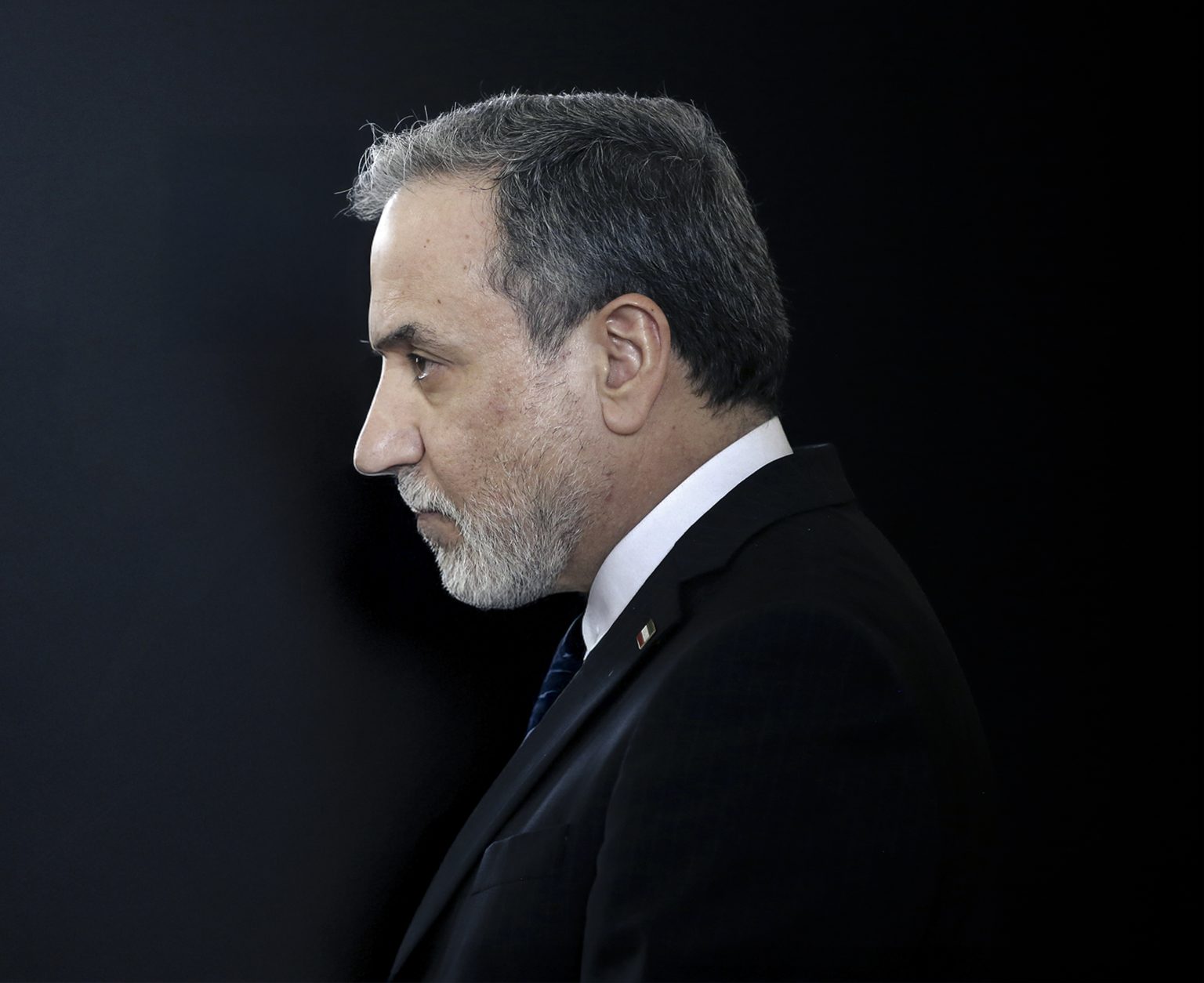
On Friday, delegations from the United States and Iran met in the Omani capital Muscat to discuss proposals for a new nuclear agreement that would potentially ease sanctions against the Islamic republic.
Although the Shiite theocratic regime insists that the "right" to enrich uranium is not subject to negotiation, it is willing to show "flexibility on this issue, including handing over 400 kilograms of highly enriched uranium and accepting zero enrichment under a consortium agreement as a solution," Iranian sources told Reuters a week ago.
The negotiations began unofficially at 12 noon local time (9 a.m. CET), with the US side represented by Special Envoy for the Middle East Steve Witkoff. According to an Iranian source quoted by Reuters, Tehran presented its demands to the Omani Foreign Ministry, suggesting a format of shuttle diplomacy.
The Iranian representative said that indirect talks would "probably" begin after a meeting between the US chief negotiator and the Omani foreign minister. The US delegation was also expected to raise the issue of ballistic missile development, support for the so-called axis of resistance, and "treatment of its own people," as US Secretary of State Marco Rubio announced on Wednesday.
A source from the Iranian Ministry told Reuters that Tehran perceives the increase in US military presence in the Middle East as a threat and that "the participation of Central Command (CENTCOM) commanders or any local military officials in the talks could jeopardize" the negotiation process.
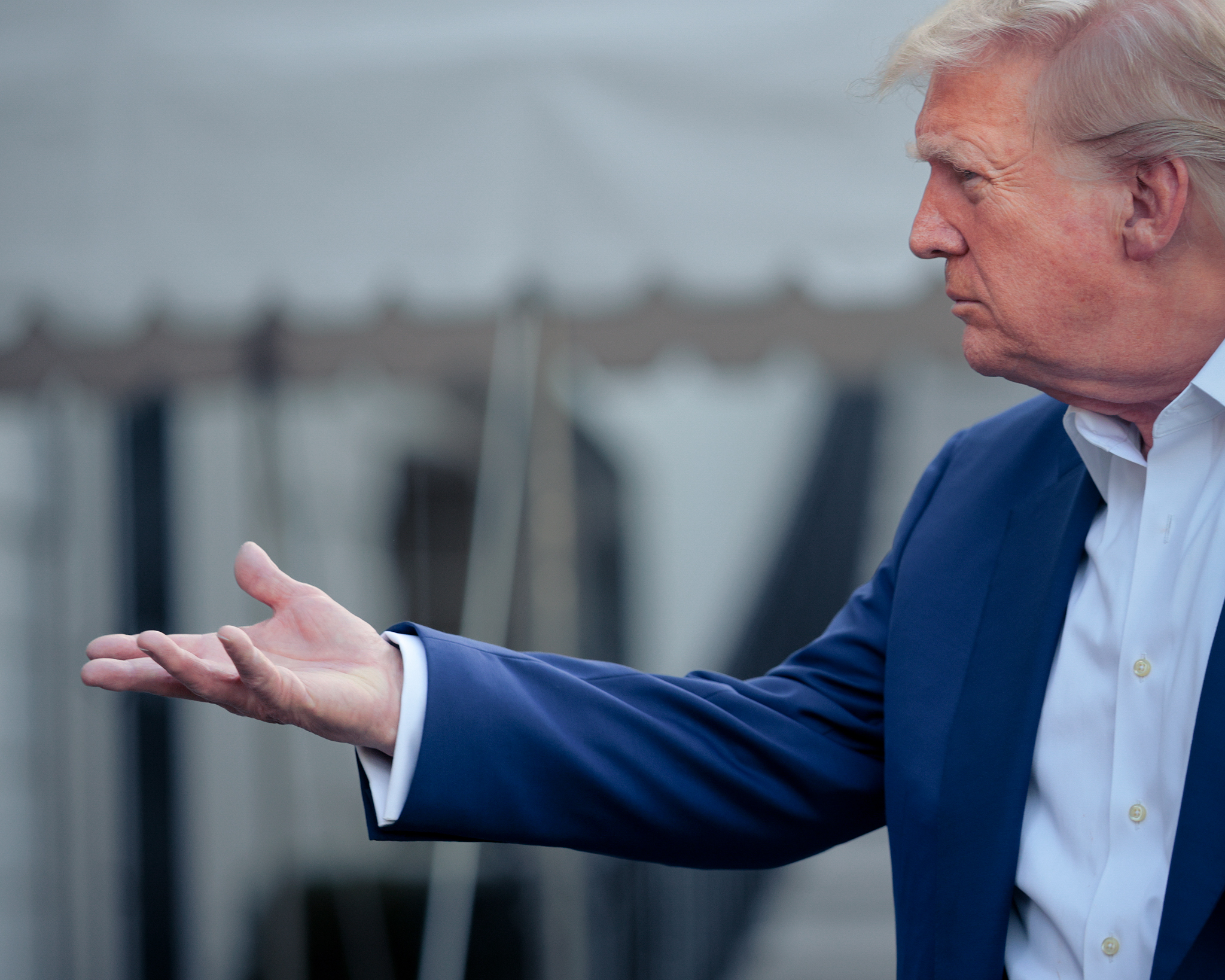
Following massive protests, the Islamic government is feeling increasingly uncertain, a sentiment reinforced by US President Donald Trump's statement that "bad things" await Iran if the talks fail. The harsh crackdown on protests has also revived human rights rhetoric in the White House and the Pentagon, making Trump's announcement of an "army" in the Arabian Sea a natural outcome.
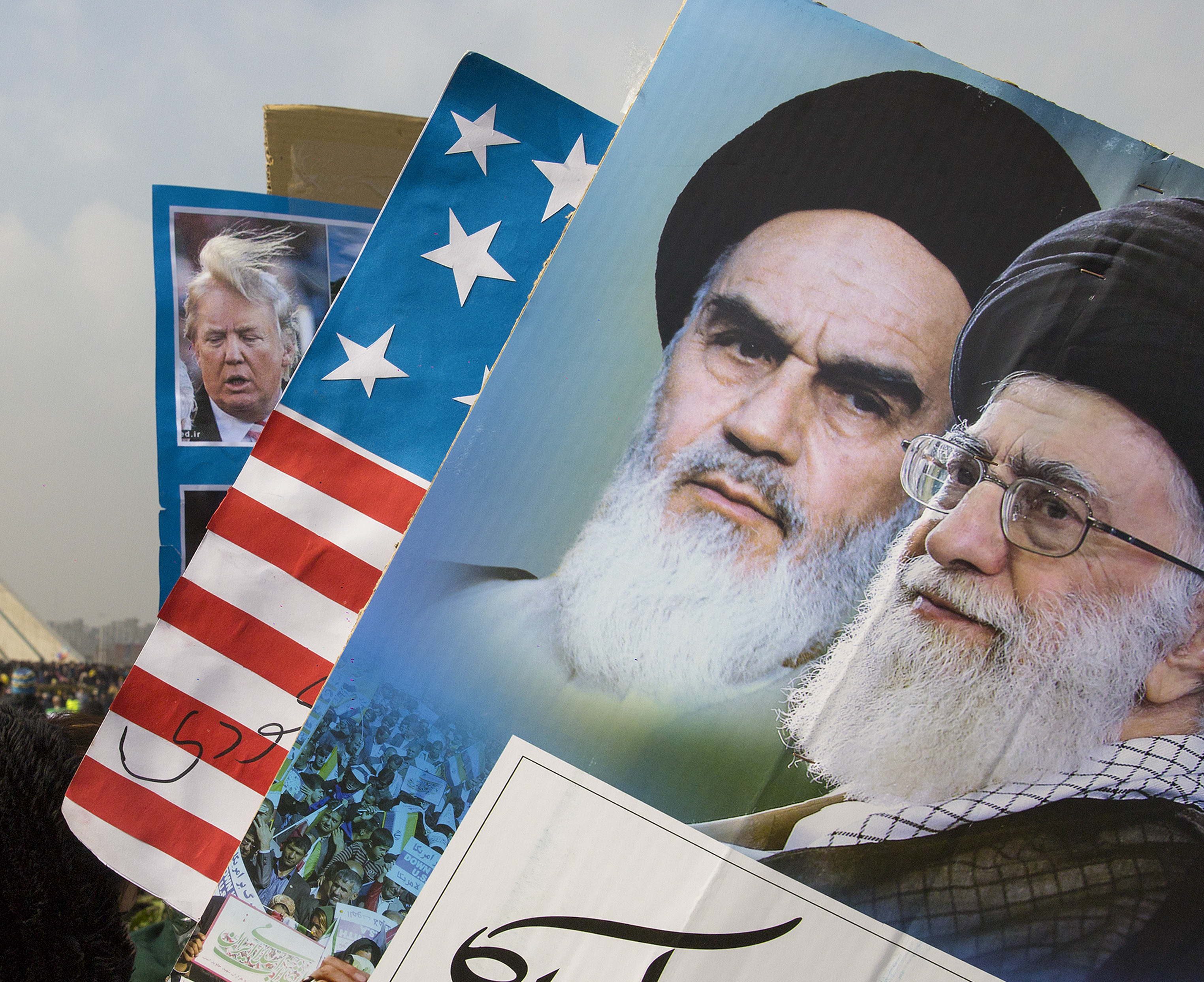
"During these negotiations, I would like to remind the Iranian regime that, in addition to diplomacy, the president, as commander-in-chief of the most powerful military in the history of the world, has many options at his disposal," White House spokeswoman Karoline Leavitt said on Thursday.
Previous agreements did not last long
Originally, discussions on replacing the 2015 JCPOA nuclear agreement were to take place in Ankara or Istanbul, Turkey, but Tehran rejected this on the grounds that Turkish President Recep Tayyip Erdogan had proposed transferring enriched uranium from Iran to Turkey.
Russia also made a proposal when, after last year's BRICS summit in Rio de Janeiro, Brazil, it offered Iran its technological capabilities to enrich uranium to a level suitable for use in nuclear power plants. Foreign Minister Sergei Lavrov said at the time that Moscow was "ready to take surplus enriched uranium to Russia for reprocessing and return energy-enriched uranium to Iran for its nuclear power facilities."
At the current talks, Witkoff's counterpart, Foreign Minister Abbas Araqchi, thanked the "Omani brothers" for their willingness to host talks on such an urgent issue after a series of diplomatic exchanges. According to the Axios portal, one of the conditions was that the talks should take place in a bilateral format.
Erdogan visited Riyadh on Tuesday, where he was welcomed by Saudi Crown Prince Muhammad bin Salman. Analysts see this visit as Saudi Arabia's acceptance of Ankara's primacy in the Middle East power balance.
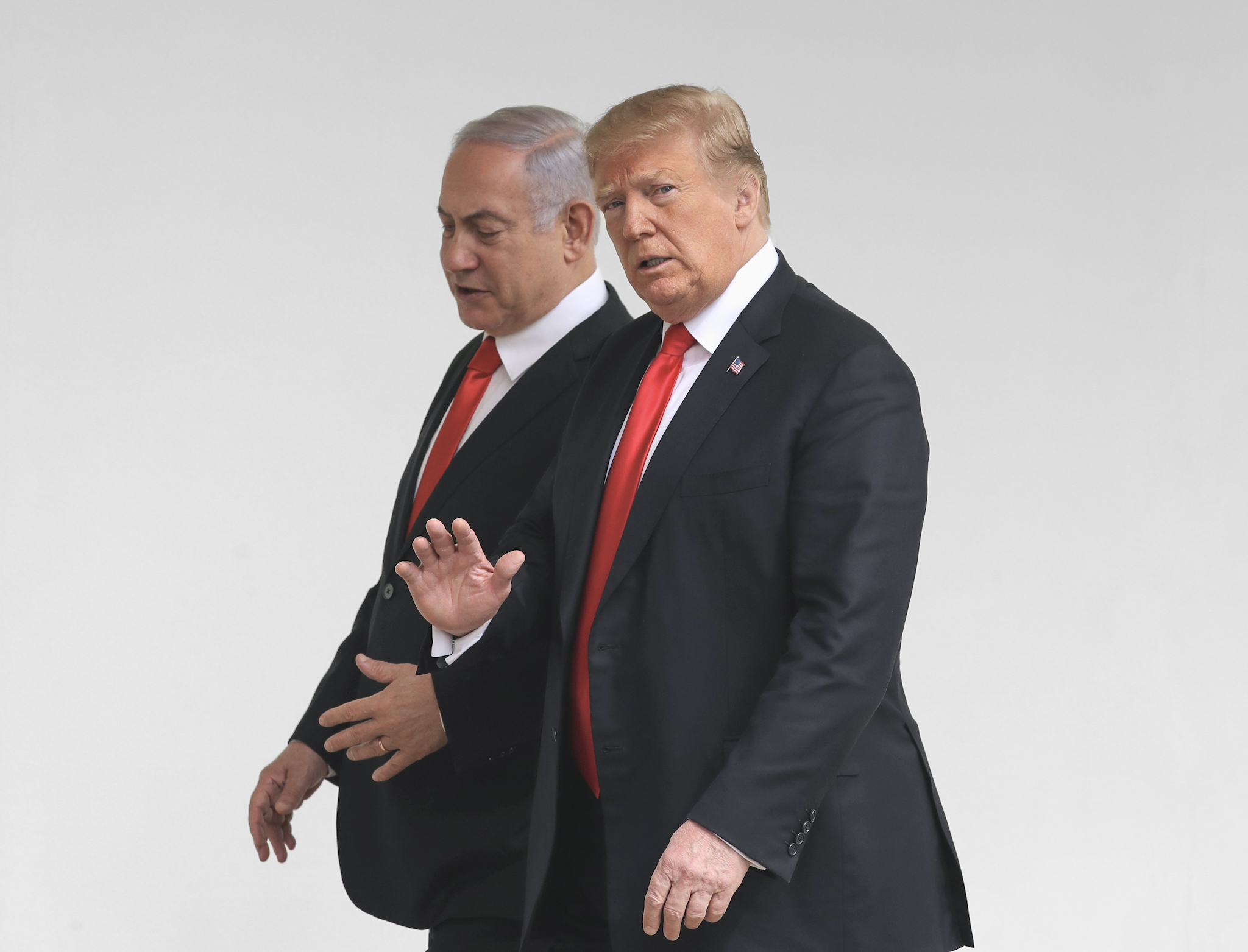
On the same day, Witkoff visited Israeli Prime Minister Benjamin Netanyahu, with whom they sought to reconcile the positions of Washington and Tel Aviv. While the United States focuses solely on the nuclear program, the Jewish state also perceives the development of ballistic missile capabilities and what it calls "support for the terrorist axis of resistance" — a self-proclaimed coalition of militant groups in the Middle East — as an existential threat.
Ali Shamkhani, senior advisor to Iran's spiritual leader, told the Lebanese portal al-Majadin that "enriched uranium will not leave Iranian territory." Tehran will not negotiate on any other issue except its nuclear program, and if it becomes the target of a Western attack, it will "respond with an attack on the Zionist regime" and on US bases in the Persian Gulf and Azerbaijan.
Al-Mayadeen is a sympathetic media outlet affiliated with the Shiite militant movement Hezbollah.
Before the talks began, Tehran categorically ruled out negotiations on its "defensive capabilities, including missiles and their range." A few hours before the talks, state television announced that the Islamic Revolutionary Guard Corps had placed "one of the most advanced long-range ballistic missiles, the Khorramshahr-4," in one of the underground shelters known as "missile cities."
Witkoff and US Chief of Staff Dan Cain were briefed on Israel's position by Israeli Chief of Staff Eyal Zamir. Pentagon officials were not expected to attend the meeting with Arakchi, but Trump's son-in-law Jared Kushner was again present.
The participation of Arab leaders apparently posed a threat to Iran following unconfirmed reports that some of them had been involved in planning attacks on the theocratic state. The Israeli secret services Mossad, Shin Bet, and Aman reportedly discussed plans for an attack with the Pentagon, including selected bombing targets.
The question of sanctions
However, Tehran pushed for a bilateral framework for a more prosaic reason. The nuclear agreement concerns only Iran and the "international community," whose leaders renewed anti-Iran sanctions in September 2025.
The European Troika (E3), whose members are Britain, France, and Germany, joined as a party to the JCPOA, which was drafted and adopted by the Obama administration. Trump unilaterally withdrew from the agreement in 2018, but the permanent members of the UN Security Council and Germany continued to comply with it pro forma.
Trump's successor and predecessor Joe Biden eased some sanctions and unfroze $6 billion in Iranian assets in September 2023—which Republicans linked to the subsequent financing of Hamas before the start of the Israeli-Palestinian war on October 7, 2023.
After the Europeans withdrew from the JCPOA and the "snapback" (reinstatement) of sanctions, Iran suspended its cooperation with the International Atomic Energy Agency, whose director, Rafael Grossi, however, supported Tehran's claims that stocks of uranium enriched to 60 percent isotope purity were "mostly" intact, as were the Fordow, Natanz, and Isfahan.
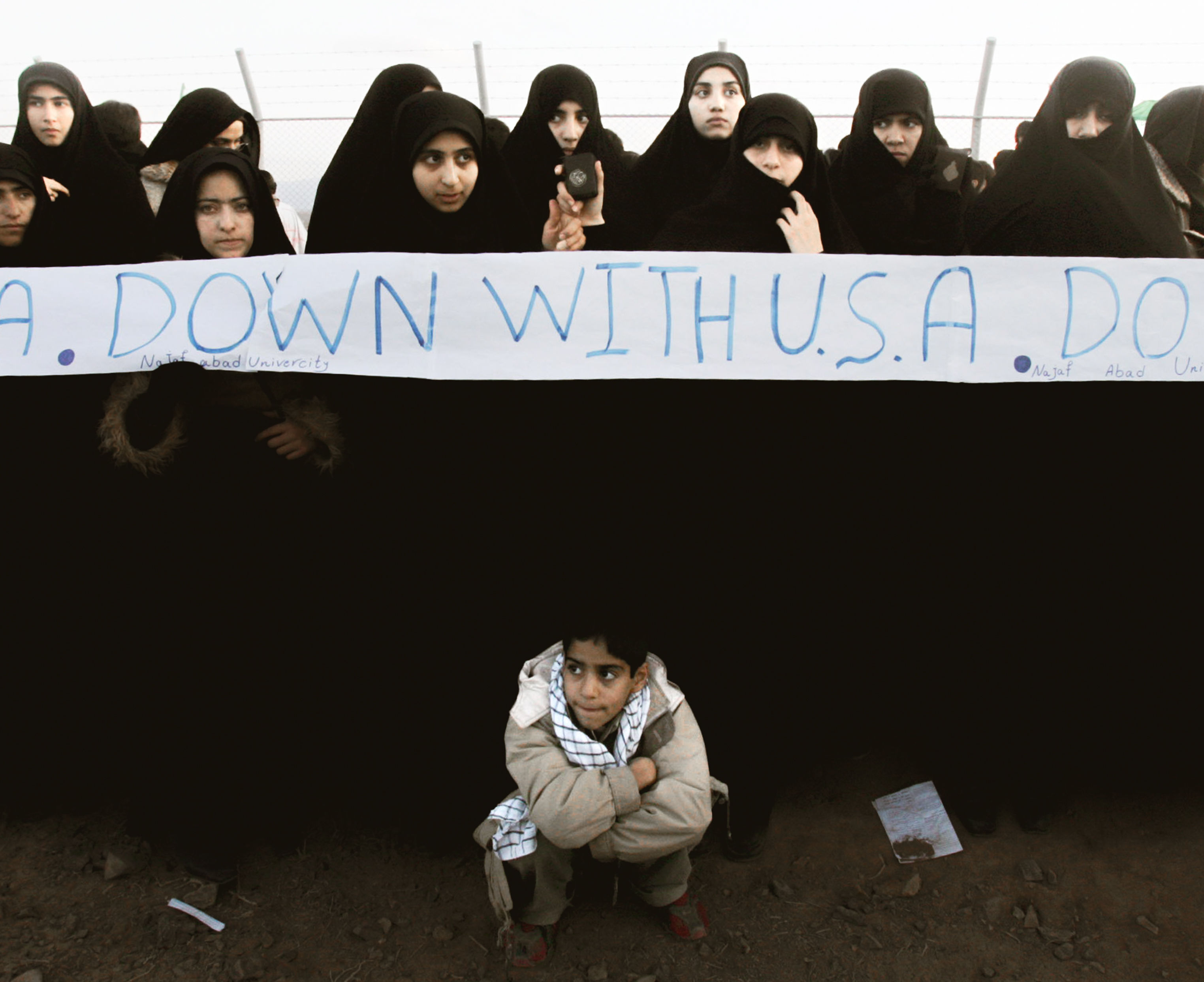
As before the 12-day war, Western countries and Israel are now accusing Iran of having a secret military nuclear program. Tehran rejects this, saying that it is exclusively for peaceful purposes and that Islamic law prohibits the possession of nuclear weapons.
In January, Netanyahu declared that "Iran's attempts to build a nuclear weapon" and "20,000 ballistic missiles" are like "two tumors of the same cancer." However, the multiple-term Israeli prime minister has repeatedly made headlines with claims that Tehran is "days or weeks" away from achieving 90 percent uranium purity—with these statements dating back to 1992.
Iranian Foreign Ministry spokesman Esmail Baghaei told state television that the talks were "over for now." At around 2:30 p.m. CET, the US-Iran talks ended with the question of whether they would continue unanswered and without any clear conclusions. Fifteen minutes later, television confirmed the end.
Arakchi later confirmed the format of shuttle diplomacy, in which they "exchanged" views with the United States through the Omani Ministry. "We must overcome the wall of mistrust," he said, adding that the negotiators would return home and the talks would continue later in a different format.