
If the new package were to pass, it would mainly affect logistics and transport—the key channel through which Russia still sells part of its oil on world markets.
Russia exports more than a third of its oil on tankers from "Western" fleets and using Western shipping services. Most of these supplies go to India and China.
The proposed ban would significantly restrict this trade, as transport is largely carried out by fleets and services from EU countries with a significant maritime sector, such as Greece, Cyprus, and Malta.
Reuters reported in December that the EU and G7 countries were discussing whether the ban on services should replace the current price cap on Russian oil. The aim is to reduce oil revenues, which Western countries say help finance Russia's war in Ukraine, and to make it much more difficult to circumvent existing restrictions.
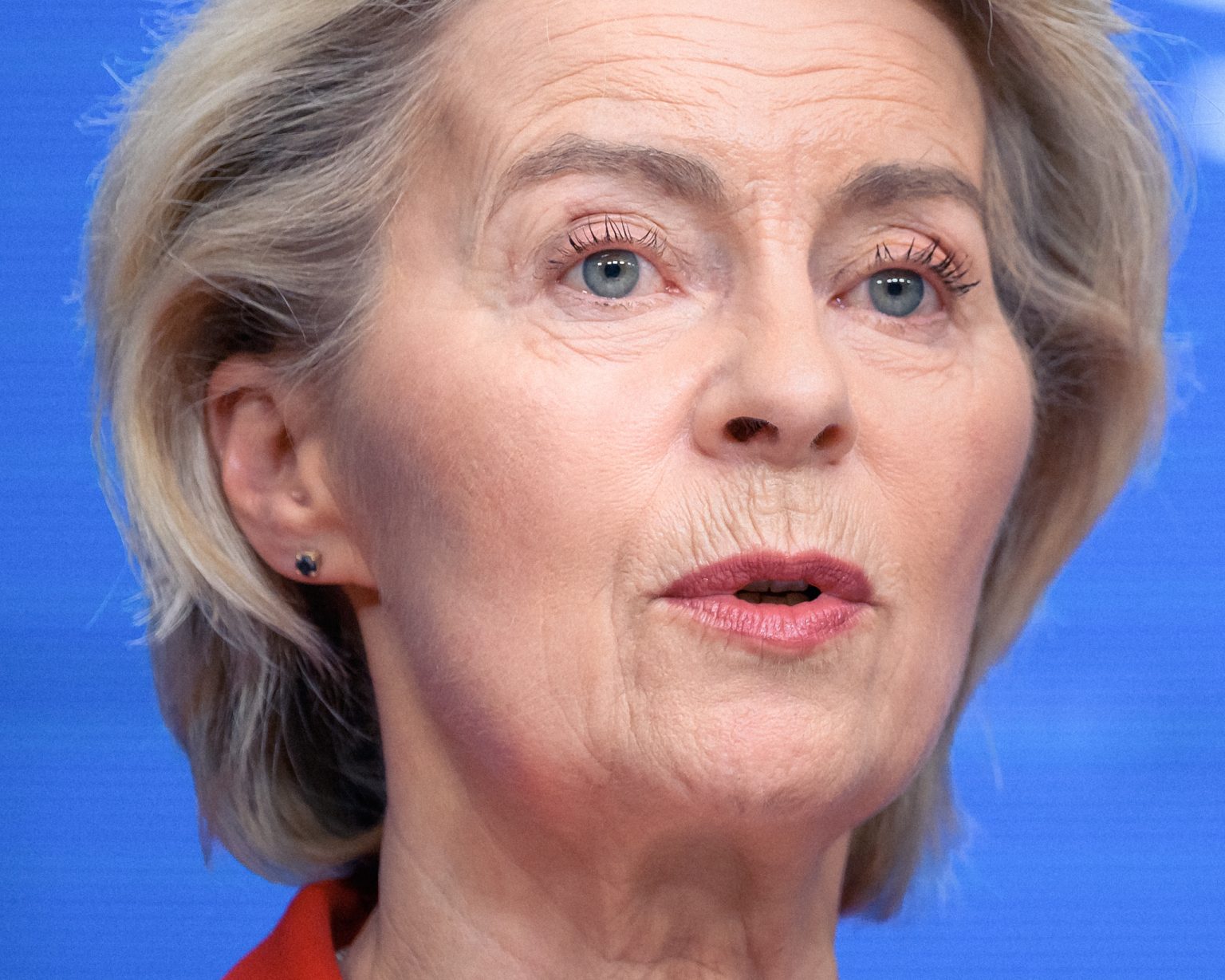
Von der Leyen says the package is intended to increase pressure on Moscow to engage in serious peace talks. According to her, Russia only responds to pressure, which is why the Commission wants to "toughen up."
In addition to measures related to oil, the package would also include new bans on imports of several commodities that have not been subject to sanctions so far, in particular metals, chemicals, and critical minerals. At the same time, restrictions on European exports to Russia would be further tightened in order to reduce the Russian economy's ability to obtain technology and materials from the EU.
The Commission has also announced an extension of financial sanctions: another 20 Russian regional banks would be added to the list. Measures against the use of cryptocurrencies and measures targeting trading companies that may help circumvent the sanctions regime are also to be included.
However, the proposal is not yet effective—it must be approved by EU member states before it can enter into force. This means that the final form of the sanctions and their exact parameters will depend on an agreement between governments, which may push for adjustments or exemptions in the negotiations.
(reuters, mja)