
Five more state parliamentary elections will be held in Germany this year. In the spring in the two western German states of Baden-Württemberg (March 8, 2026) and Rhineland-Palatinate (March 22, 2026), and in the fall in the eastern German states of Saxony-Anhalt (September 6, 2026), Mecklenburg-Western Pomerania (September 20, 2026), and the capital city of Berlin (also September 20, 2026).
The INSA public opinion research institute monitors the political mood in individual federal states, all of which have the potential for more or less dramatic changes. Attention is focused on the somewhat "fateful" elections in Saxony-Anhalt [located in eastern Germany, ed.], where the AfD could field a state premier for the first time in its history, thereby definitively turning the political scene in Germany upside down. This is causing nervousness among the other parties.
Baden-Württemberg: CDU and Greens in opposite camps?
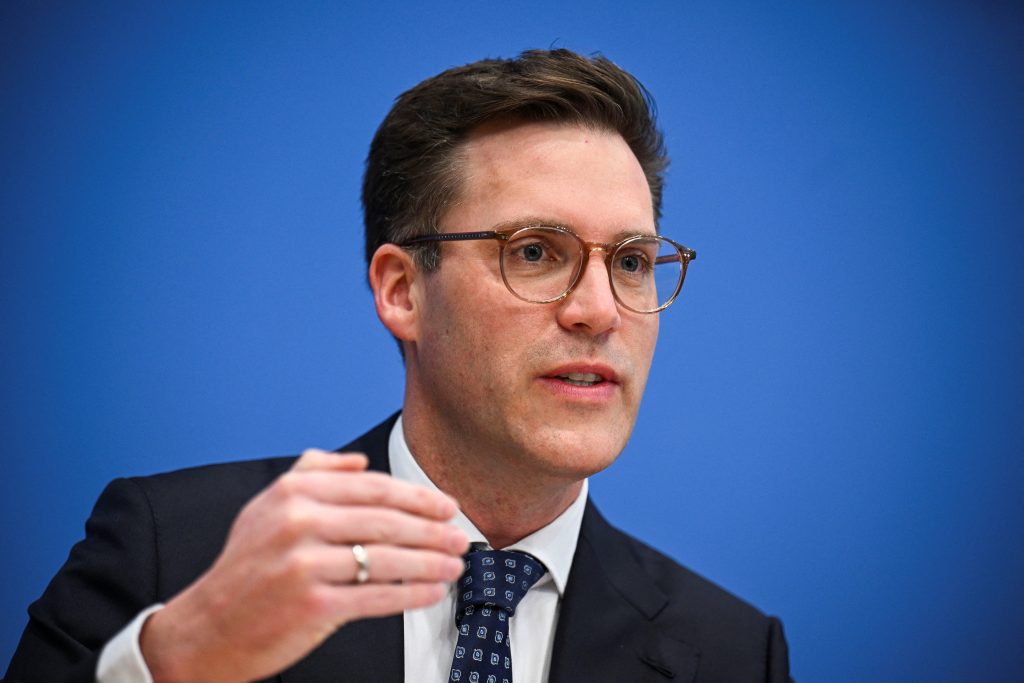
In Baden-Württemberg, the CDU, with its 37-year-old, relatively young lead candidate Manuel Hagel, has a good chance of emerging from the elections as the strongest force and replacing the Greens, who have held the post of state premier there until now.
The Greens are fielding former Environment Minister Cem Özdemir (60) as their candidate. The current Green premier, Winfried Kretschmann, who is 77, is not running again and is vacating his seat as one of the most famous faces in Green politics. Kretschmann has been premier for 15 years – five years in a coalition with the SPD and ten in a coalition with the CDU.
The current chairman of the CDU faction and party in Baden-Württemberg, Manuel Hagel, would like to lead a so-called "German coalition" consisting of the CDU (black), SPD (red), and FDP (yellow) if he wins the election. However, if this is not enough to achieve the desired result, he does not rule out an alliance with the Greens as a minority partner – the same alliance that is already in power, but this time under the leadership of the CDU.
The big winner in the Baden-Württemberg election could be the right-wing conservative AfD, which could double its result from the last election on March 14, 2021 (9.7 percent at that time). The gap between the Union, which is currently leading in the polls, and the Greens is narrowing, and the CDU cannot yet be sure of victory. The Greens and AfD are fighting for second place there. The outcome remains open.
Rhineland-Palatinate: Christian or Social Democrats
Rhineland-Palatinate is currently governed by a "traffic light coalition" (red-yellow-green) consisting of the SPD, FDP, and Greens. SPD chairwoman Malu Dreyer (65), elected in 2021, stepped down to give her successor Alexander Schweitzer (52) a chance to become better known and more popular in his own state before the elections.
According to all known polls, it is impossible for the current state government to achieve a parliamentary majority again in the same composition. Today, the CDU, with its main candidate Gordon Schnieder (50), is just ahead of the SPD. Only if the SPD manages to overtake the CDU, which is possible, could Schweitzer become prime minister in a red-black coalition. Otherwise, Schnieder will become the head of a black-red coalition and the federal state will not return to the hands of the CDU.
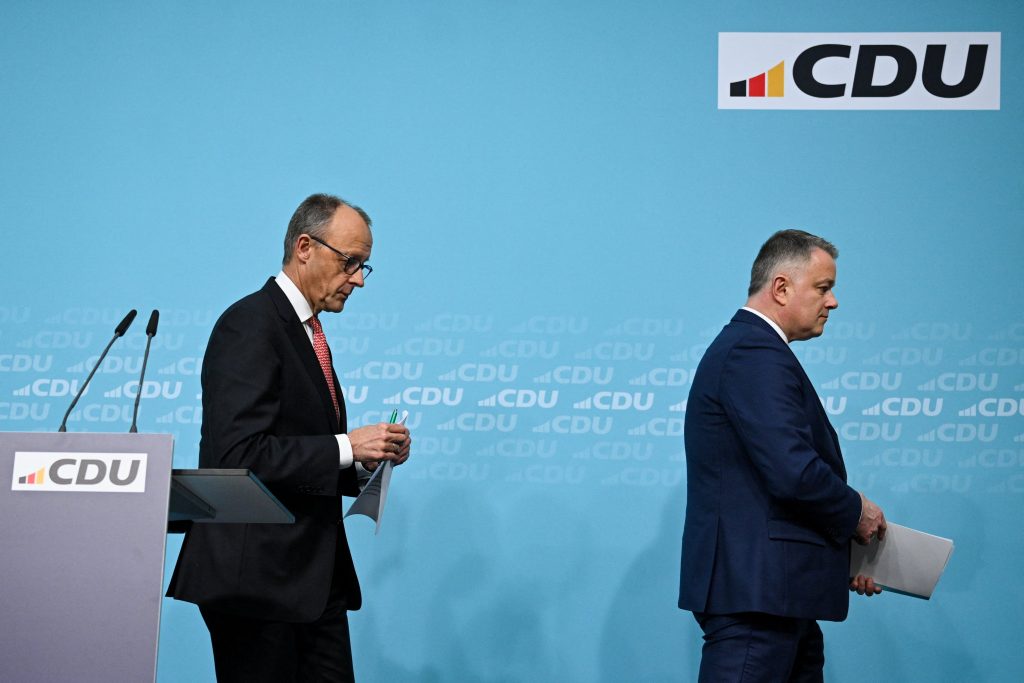
For the SPD, losing the state office in the capital Mainz would be a heavy defeat, even if it were still needed to govern. For the CDU, it would be the second minister-president post it could win this year, following its expected victory in Baden-Württemberg in March.
Success in these two federal states, which have traditionally been important for the CDU, should strengthen the Christian Democrats and Federal Chancellor Friedrich Merz at the national level as well. These victories could also lead to a more conservative orientation for the entire CDU, as the state associations of Christian Democrats in these two southwestern German states are considered to be rather conservative.
Saxony-Anhalt: AfD majority in sight
Many observers consider the elections in Saxony-Anhalt to be the most important state elections of the year. Here, the current opposition party AfD is expected to win around 40 percent of the vote. If it exploits its additional potential and, depending on whether other parties exceed the five percent threshold – in addition to the Greens and the FDP, the BSW and SPD are also at risk – Alternative for Germany, led by Ulrich Siegmund, could achieve a parliamentary majority and occupy the post of minister-president in a federal state for the first time.
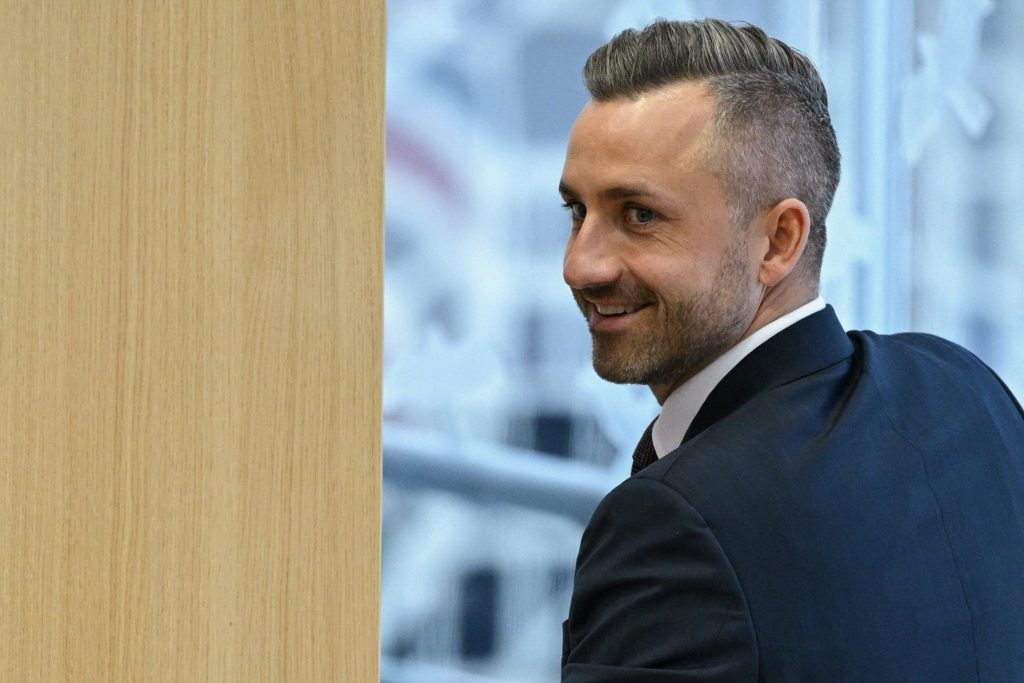
To prevent this, the current CDU Prime Minister Reiner Haselhoff announced his early resignation and, at the end of January, gave preference to Sven Schulz, the former Minister of Economic Affairs of the federal state. Schulz also became the CDU's new lead candidate so that he could take office early—similar to Schweitzer in Rhineland-Palatinate—and gain popularity.
We will find out whether this will be enough during the first weekend in September, especially as Schulz has to defeat the younger Ulrich Siegmund of the AfD, who is very popular among young voters in particular and currently leads in the polls with almost 40 percent.
Depending on how many small parties fail to exceed the five percent threshold, the AfD may not need to win a full 50 percent to achieve a majority of seats in parliament and could thus govern alone without additional coalition partners.
Mecklenburg-Western Pomerania: SPD faces debacle
In Mecklenburg-Western Pomerania, too, the AfD has a good chance of becoming the leading force. Its main candidate, Leif-Erik Holm (55), a former radio presenter and now the AfD's leading politician in the Berlin parliamentary group, is very well known in northeastern Germany.
The current Social Democratic Prime Minister, Manuela Schwesig (51), will not be able to maintain her excellent result from the last state elections, in which she won 39.6 percent of the vote. She must reckon with the fact that her SPD may lose almost half of its votes and that the current coalition with Die Linke, which won 9.9 percent of the vote at the time, will no longer have a majority.
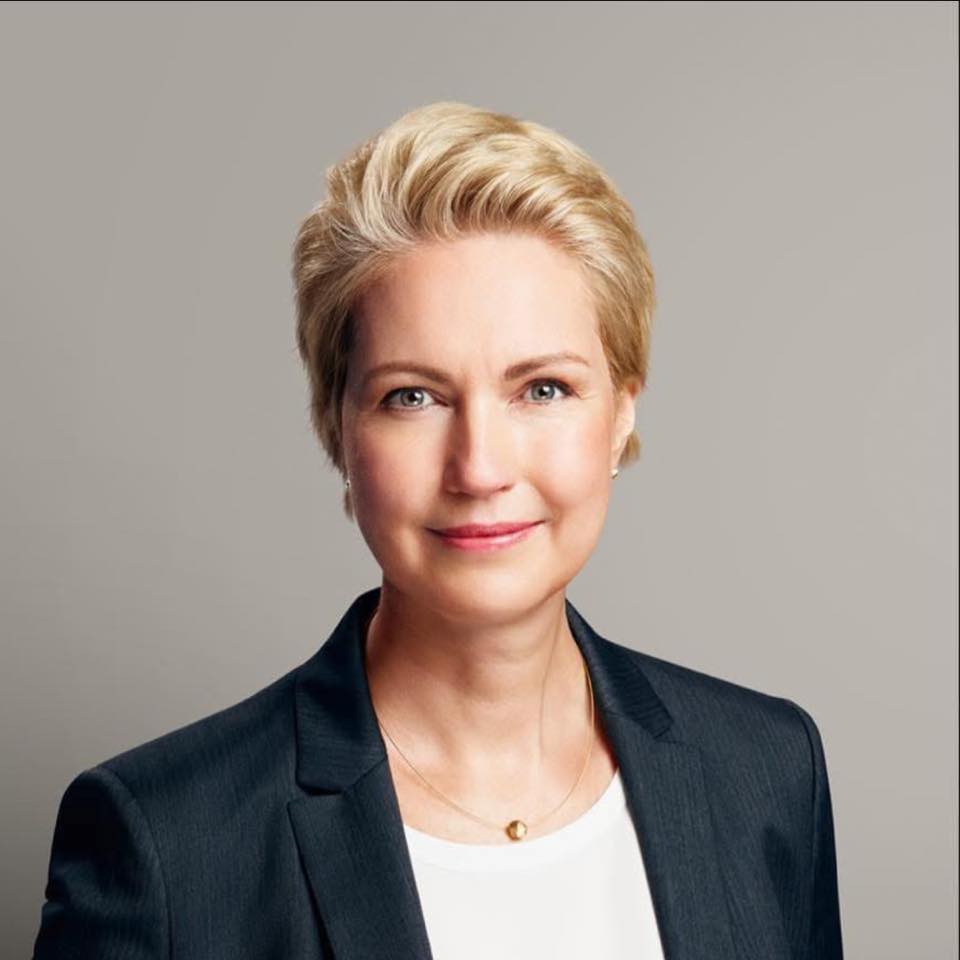
It is therefore uncertain what the governing constellation in Mecklenburg-Western Pomerania will be. The CDU is weaker in this federal state than in other eastern German states, and it is uncertain which parties will ultimately enter the local parliament.
Berlin: A left-wing majority is emerging
A new parliament is also being elected in the capital Berlin, which is a separate federal state. The current ruling mayor, Kai Wegner (53) of the CDU, must expect to lose votes, but his party should remain the leading force.
However, residents did not appreciate his crisis management during a power outage in southwestern Berlin earlier this year, making him more of a liability for his party. At the same time, there is no challenger who could currently compete with him for the leadership position.
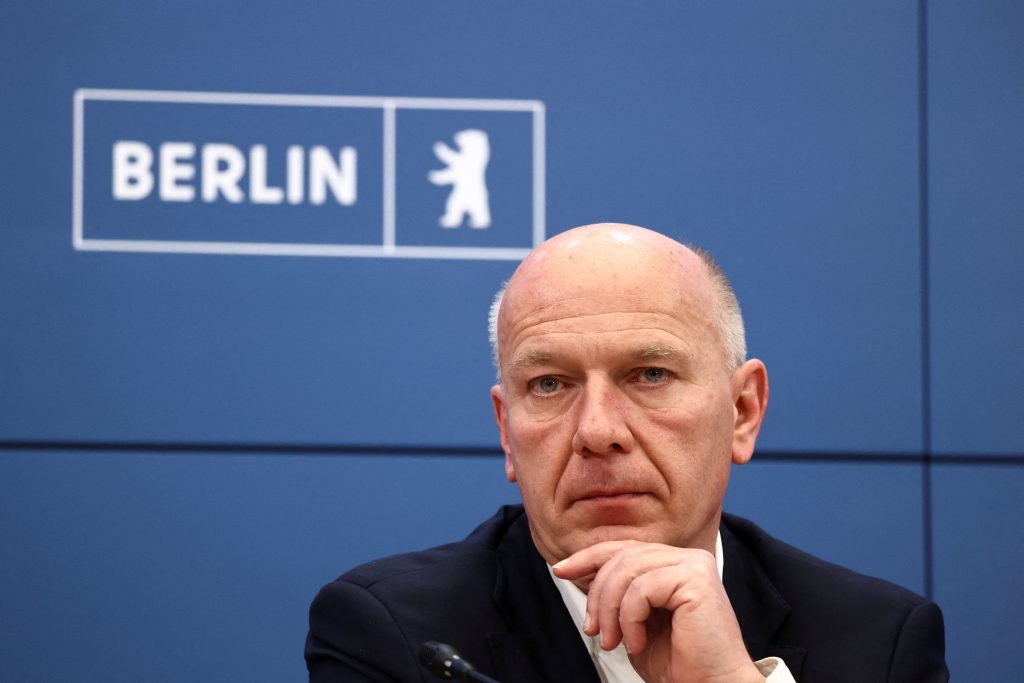
If the three left-wing parties—the SPD, the Greens, and the Left Party—achieve a parliamentary majority in Berlin, they will most likely take advantage of it. The question remains as to which of these three parties will ultimately prevail and occupy the post of the next mayor of Berlin.
This year's five state elections could therefore stabilize the black-red federal government or, depending on their outcome, lead to its premature collapse. In addition to the issues and personalities specific to each federal state, each state election will largely reflect the nationwide trend of political parties. The special interest in these elections is not surprising, as they will have a major impact on Germany even after 2026.