
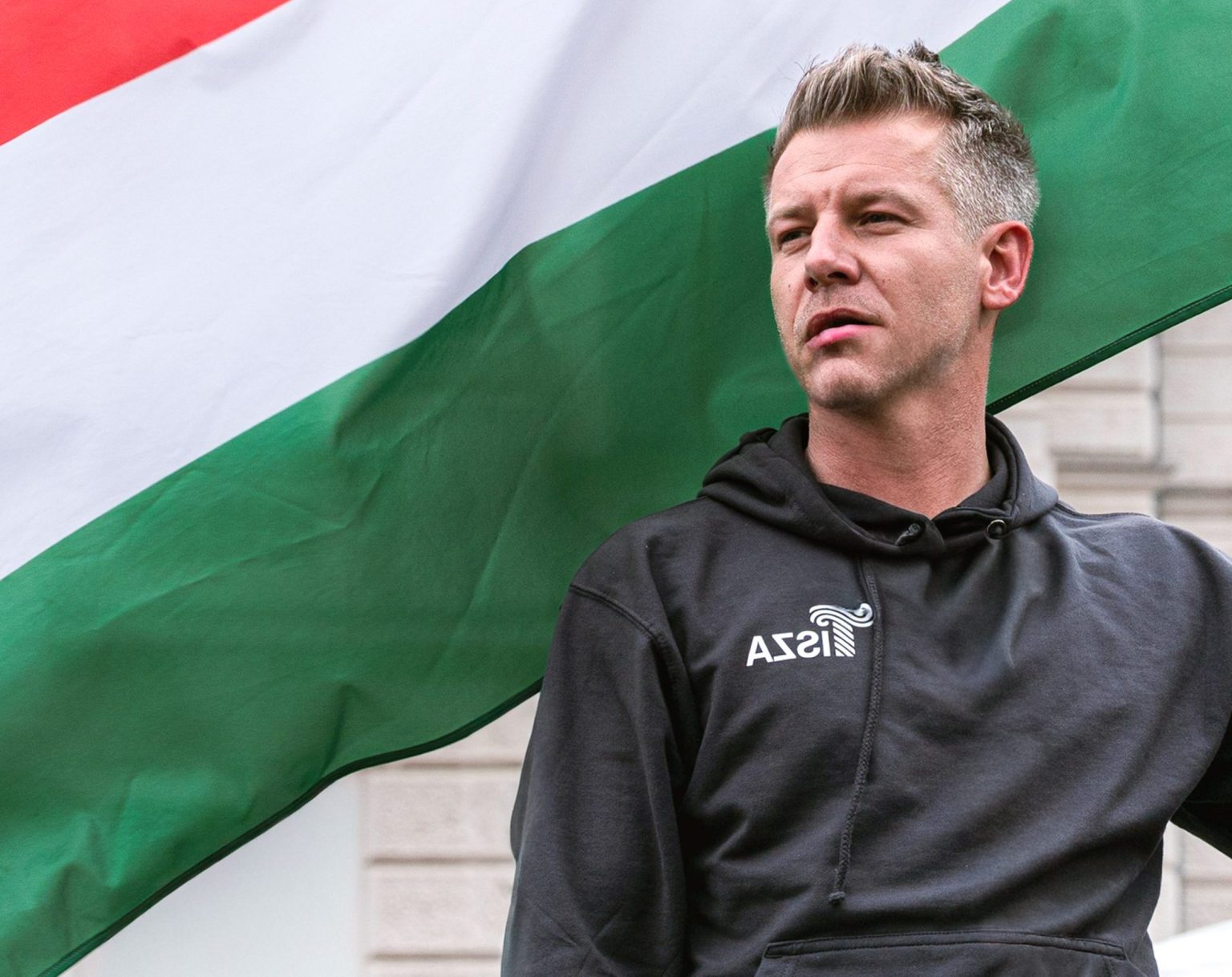
Péter Magyar's extra-parliamentary Party of Respect and Freedom (TISZA), which was only registered with the Hungarian Ministry of the Interior in 2023, came second in the European Parliament elections in July 2024, just behind Orbán's ruling coalition.
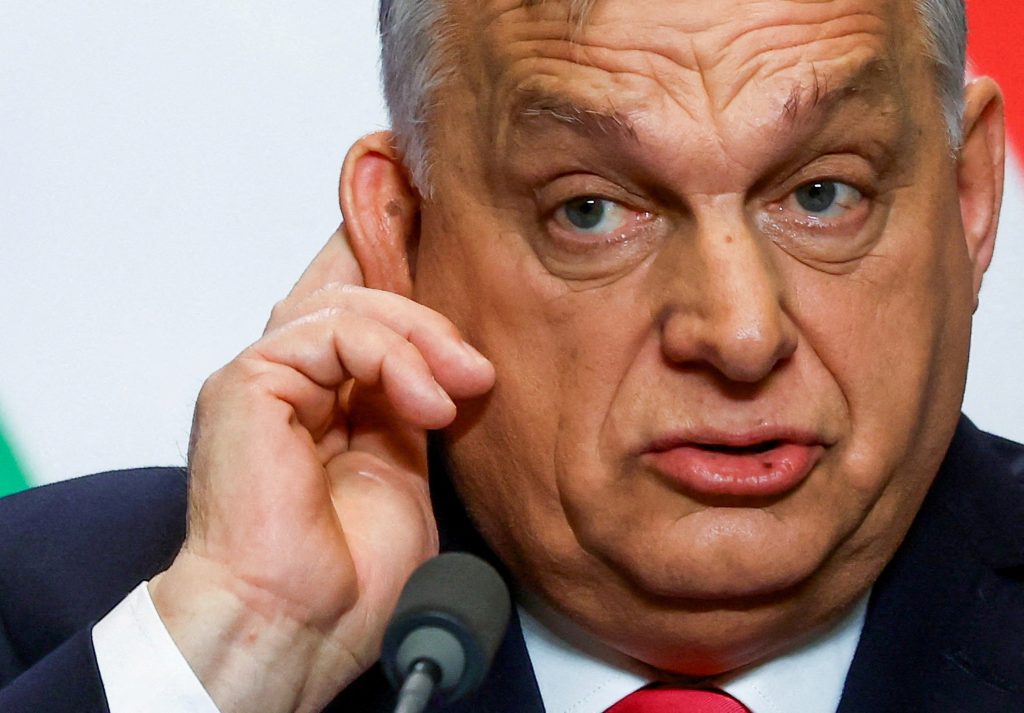
A January poll by the Republikon Institute showed that neither the ruling coalition party, Fidesz – Hungarian Civic Alliance and Christian Democratic People's Party (KDNP), nor the opposition TISZA had significantly improved or worsened since the last poll: Viktor Orbán would be the prime minister of choice for 28 percent of respondents, and Magyara for 33 percent. The remaining parties did not reach the five percent threshold.
Fewer migrants
However, the survey also shows that since the end of last year, the number of Hungarians who want to participate in the elections has fallen, and the proportion of undecided voters is around 27 percent.
István Kapitány, TISZ's new expert on economics and energy, said in early February that the current mass employment of foreigners in Hungary is a "dead end." The number of foreign workers in the country has doubled in the last seven years, which, according to Kapitány, is evidence of deep-rooted problems.
"The mass and facilitated recruitment of guest workers worsens the position of Hungarian employees. Domestic workers are being replaced by a vulnerable workforce without union representation, which pushes companies towards a model of cheap labor," Kapitány criticizes the situation, noting that tens of millions of forints from public finances are spent on a single job, which is often filled by a third-country national.
Kapitány also points to the huge gap between what Orbán's government says about migration and what it does. According to him, the mass influx of non-European workers is gradually changing the face of Hungarian cities.
Goodbye, forint?
On February 7, TISZA presented a 240-page election program in which, among other things, it promises to set a "predictable and achievable deadline" for adopting the euro, introduce a tax on the wealthy, and firmly anchor Hungary in the North Atlantic Alliance and the European Union.
"For those whose assets exceed one billion forints (€2.64 million), we will introduce an annual property tax of one percent on the portion of their assets above this threshold," the party promises, adding that Hungarians who earn less than the median wage will see their taxes reduced.
In the energy sector, the party wants to end dependence on Russian supplies by 2035 and double the share of renewable sources by 2040. It plans to meet the increased demand for energy by building a nuclear power plant and, if it comes to power, to review the Paks 2 project, which is to be led by Russia's Rosatom.
Magyar also considers the current reporting of public channels to be a tool of government propaganda and is determined to suspend their activities until a package of measures ensuring their true independence is adopted.
Northeastern neighbor
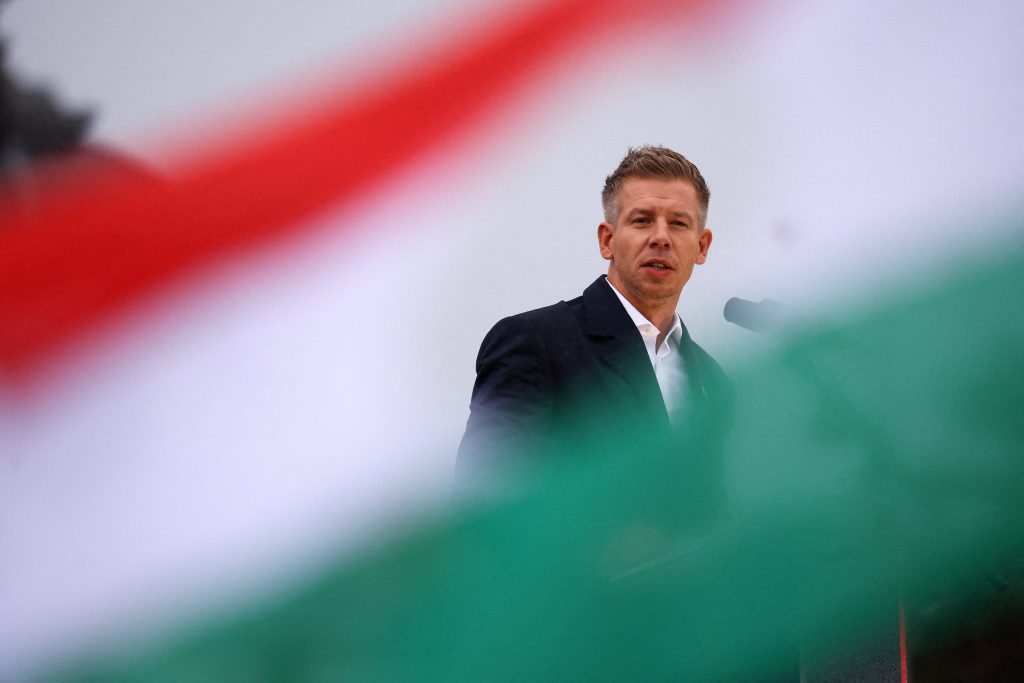
Although Magyar supports the Ukrainians' right to defend their country against an aggressor, like Orbán, he rejects "being drawn into the war." He opposes the supply of Hungarian weapons to Ukraine, let alone the deployment of troops.
"We stand by the government's position: we will not send soldiers or weapons from Hungary to Ukraine," Magyar said shortly after the European People's Party (EPP) voted to accept MEPs from the TISZA party into the club.
Orbán, however, claims that Magyar has conspired with Kyiv with the aim of overthrowing the government and establishing a pro-Western and pro-Ukrainian administration.
The Kremlin, which openly supports Orbán in the upcoming elections, would lose an important partner in Central Europe if he were to lose, as Magyar's actions to date show no signs of sympathy for Russia's policies.
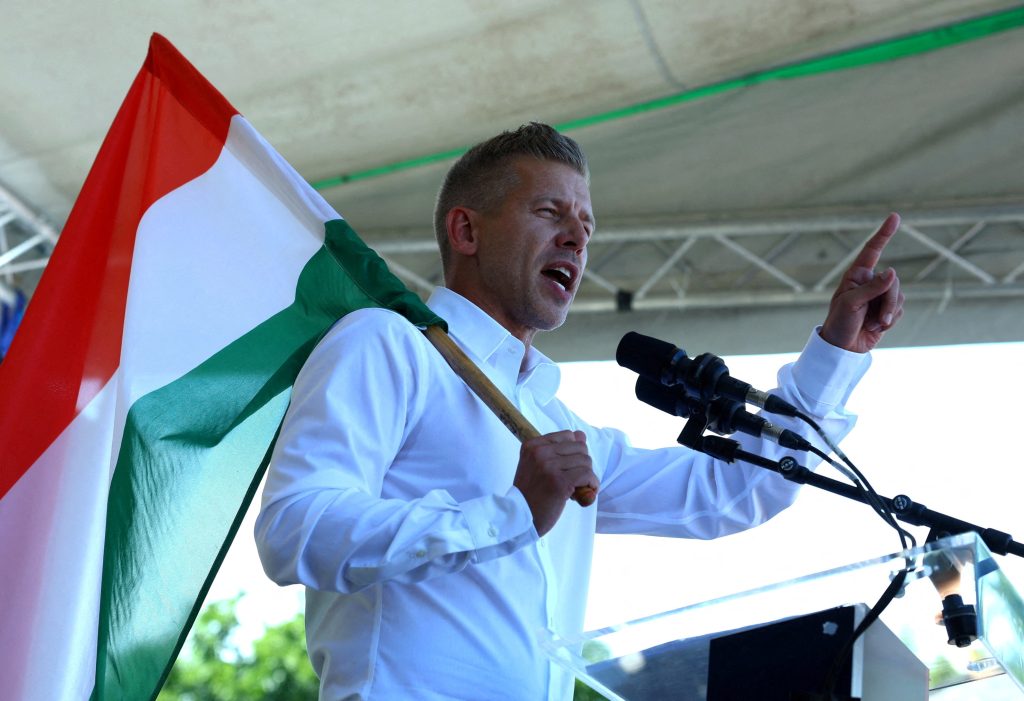
The current ruling party does not usually publish its election program, and this year is no different. We can only go by the prime minister's social media account, pre-election videos, and the like. However, these do not suggest that Orbán intends to make any significant changes to his policies in the event of a victory.
The current government rejects the adoption of the euro, as well as cutting ties with Russian oil and gas. Among other things, the elections will therefore also clarify the country's monetary policy for the coming years.