
Abu Dhabi. Talks between the United States, Ukraine and Russia concluded on Wednesday morning after two days of negotiations. A Ukrainian official confirmed the end of the discussions to Reuters, while Vladimir Medinsky, head of the Russian delegation, gave the same information to TASS.
“As you know, the talks lasted two days. Yesterday was very long, with various formats. Today we talked for two hours,” Medinsky said, adding that Tuesday’s discussions had lasted around six hours. Previous rounds of direct negotiations since the collapse of the spring 2022 talks were also conducted over two days — the first on 23–24 January and the second on 4–5 February, both in Abu Dhabi.
The Ukrainian delegation is once again headed by Rustem Umerov, Secretary of the National Security and Defence Council and a former defence minister. He described the negotiations as “intense and substantial”, adding that progress had been made on the most pressing issues.
Although he did not take part in the negotiations, Ukrainian President Volodymyr Zelenskyy admitted that the third round had also been “difficult”. “We see that we have made progress, but so far our positions are incompatible,” he said.
The Ukrainian leader referred to the respective positions of Kyiv and Moscow, which remain irreconcilable for now, particularly on territorial questions — Moscow insists on full control of the Donbas region, while Kyiv rejects such demands — and on security guarantees. Ukraine is seeking the deployment of Western troops along the front line, a proposal Russia firmly opposes. He also appeared to acknowledge, albeit indirectly, signs of tension within the Ukrainian delegation itself.
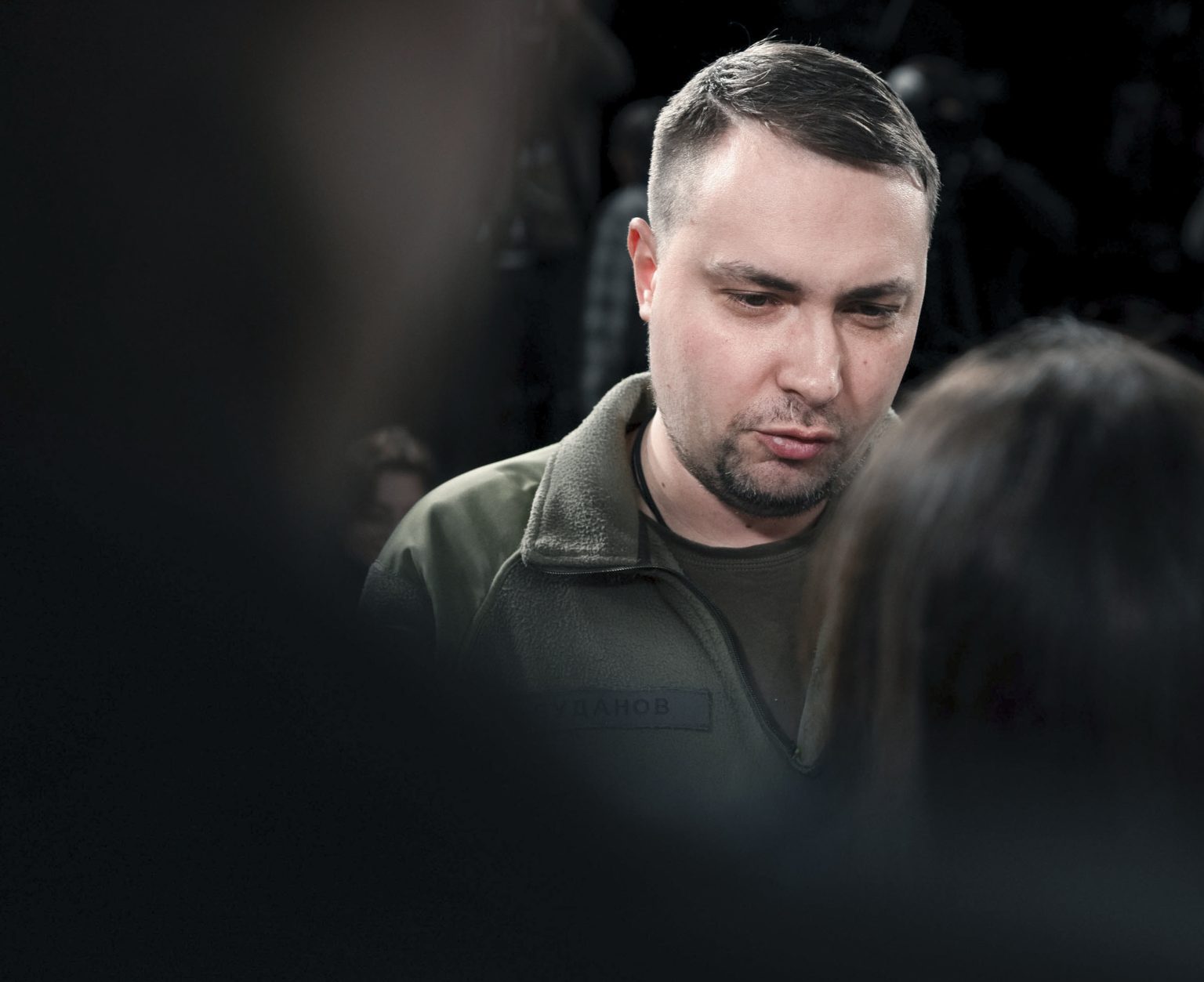
According to The Economist, the de facto head of the delegation is Kyrylo Budanov, chief of Ukraine’s military intelligence. However, Ukrainian sources cited by the British weekly suggest that figures aligned with him have clashed with associates of Andriy Yermak, the former head of the presidential office.
A window of opportunity?
“The wing grouped around Budanov believes that a quick agreement led by the US is in Ukraine’s best interest and fears that the window of opportunity will soon close,” The Economist reports, citing anonymous members of the Ukrainian team. The faction aligned with Yermak, by contrast, is described as “much less enthusiastic”.
Such an approach would, however, entail accepting at least some of Russia’s demands. Foremost among them is the status of the Donetsk and Luhansk regions, which, together with Kherson and Zaporizhzhia, were unilaterally annexed by Moscow on 30 September 2022.
The Kremlin has proposed that Ukrainian forces withdraw from the entire Donbas region, a move that would shift the front line well beyond the areas previously held by Russian troops. For obvious reasons, the Ukrainian government firmly rejects the proposal.
Rather than accepting a frozen front line, Donald Trump’s administration is reportedly proposing an expansion of the demilitarised zone, which the parties would transform into a “free economic” zone, ostensibly under the auspices of a newly created Peace Council.
“It meets all the requirements of the American emperor, but it would probably not pass under American law, especially if it required any de facto recognition of the Russian occupation,” The Economist noted.
In an interview with Axios on Tuesday, Zelenskyy said that Russia was prepared to agree to a one-day ceasefire in order to organise elections. He rejected the proposal, arguing that Kyiv would require at least 60 days. He had also referred to the need for a two-month period at the Munich Security Conference.
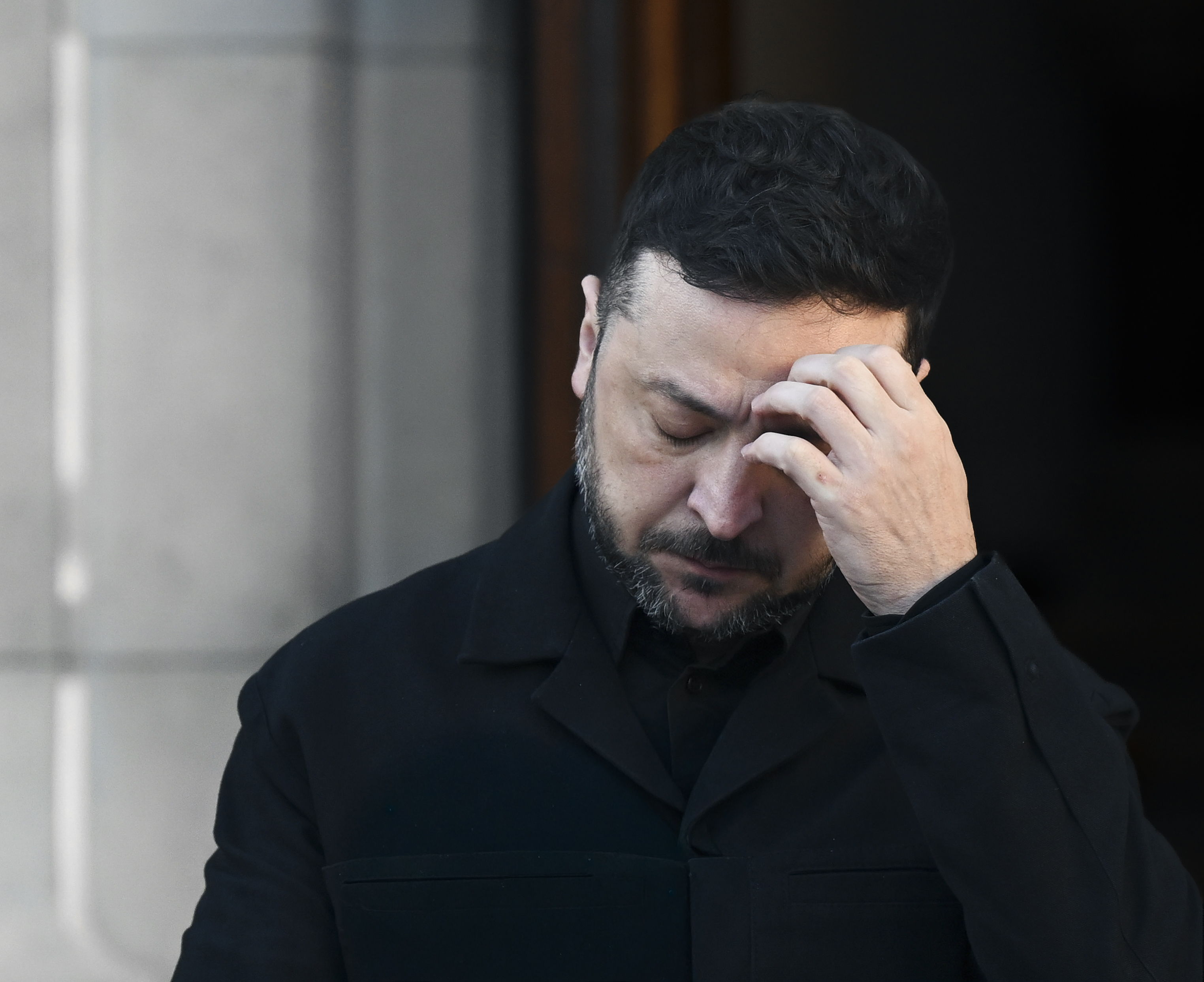
The Ukrainian leader went on to say that he regarded it as “unfair” that Trump and his envoys were publicly pressuring Kyiv to make concessions, while Moscow faced no comparable demands.
As head of the Main Intelligence Directorate (HUR) of Ukraine’s Ministry of Defence, Budanov is among the best-informed figures in the country. He has also demonstrated considerable wartime “audacity”, notably when Ukrainian drones struck Russian refineries deep beyond the Urals.
This may explain why some members of the negotiating team take his arguments seriously. Others, however, are intent on upholding Zelenskyy’s pledges, including the preservation of Ukraine’s territorial integrity. If the sources cited by The Economist are accurate, the talks could falter on the Ukrainian side — and, paradoxically, gather pace.
(reuters, tass, afp, tasr, sab)