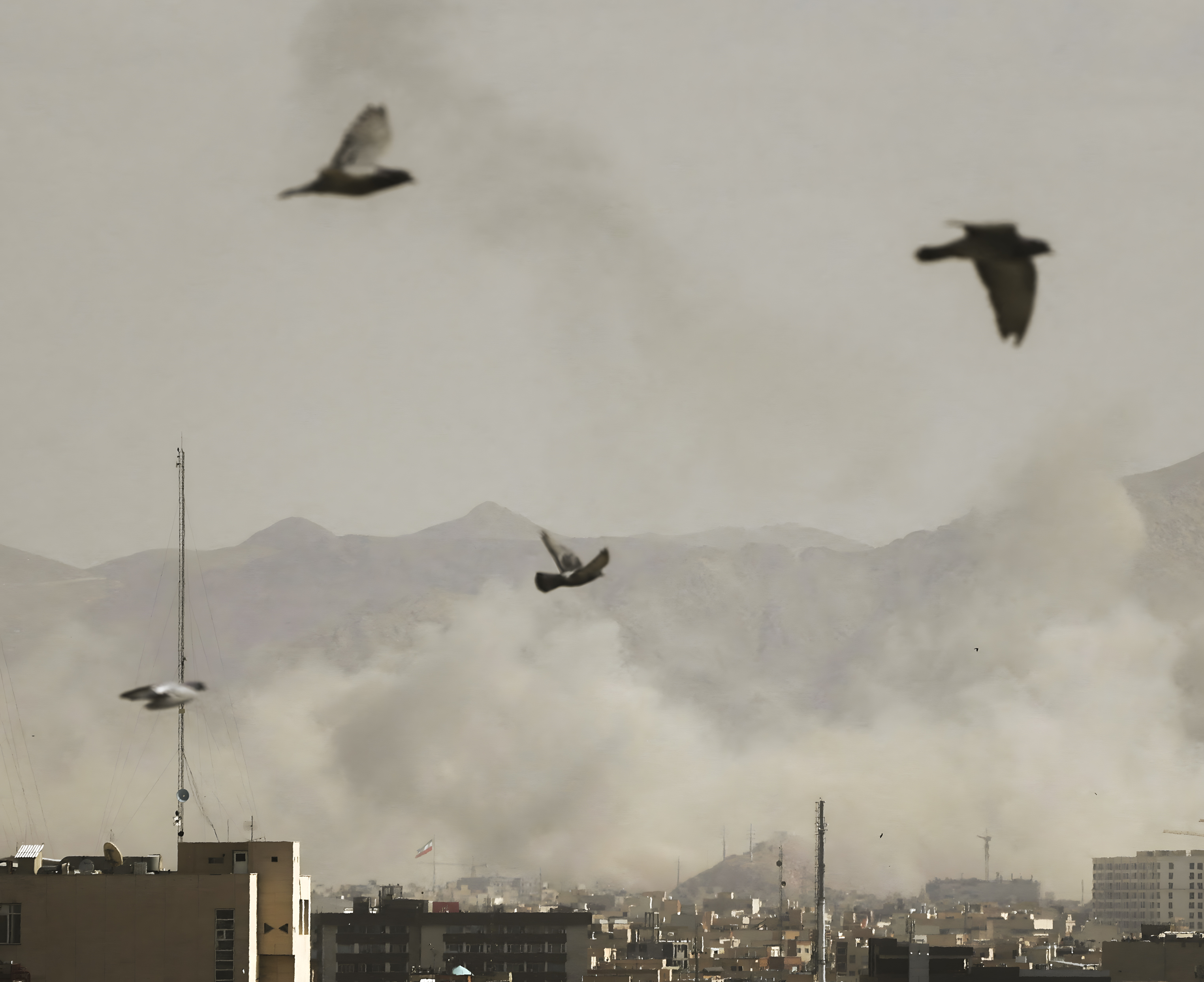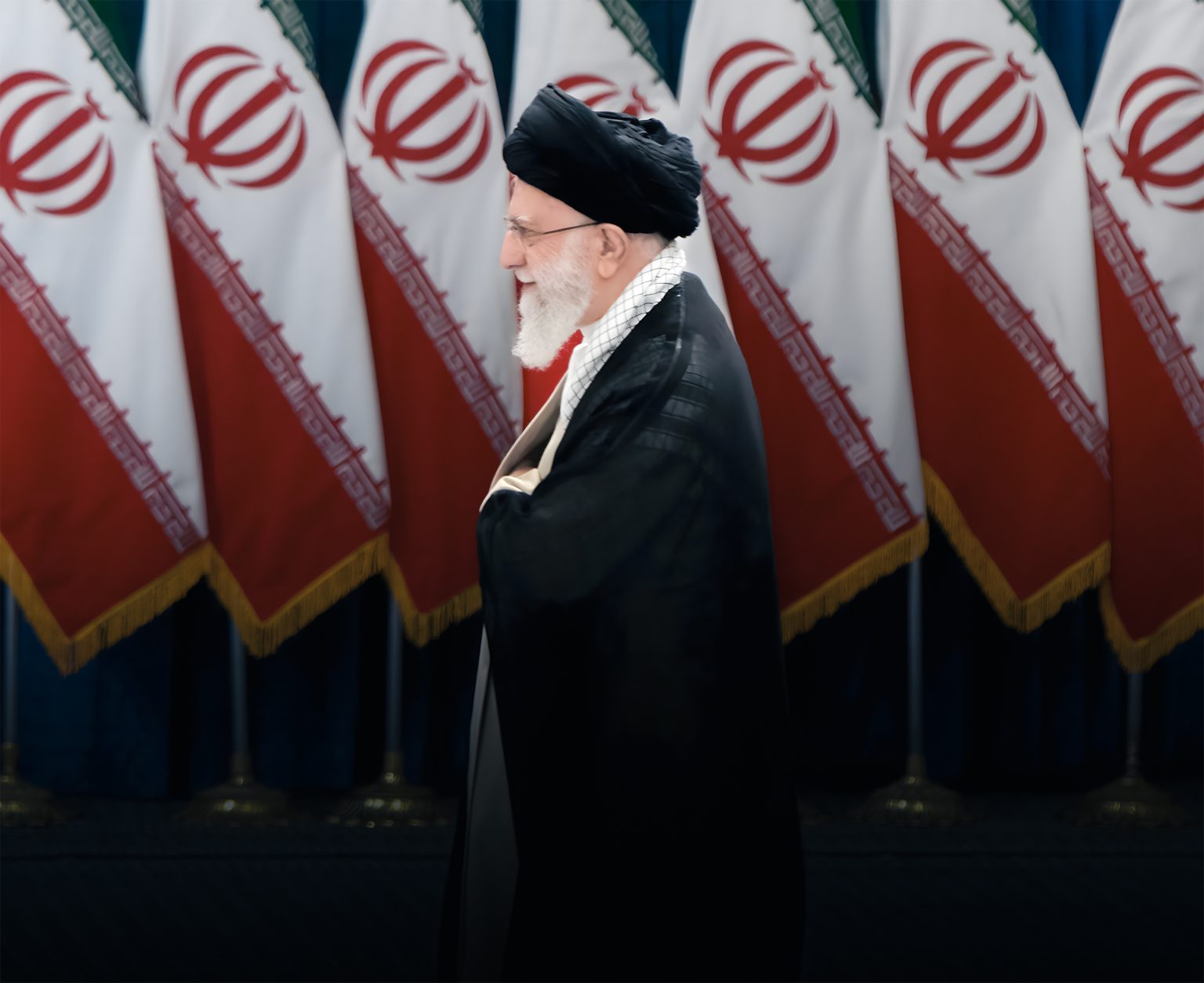
Iran considers all US and Israeli bases, facilities and assets in the region to be ‘legitimate military targets’, Iranian Foreign Minister Abbas Araghchi said on Saturday in a letter to the UN Security Council and Secretary-General António Guterres.
‘Iran will continue to exercise its right to self-defence decisively and without hesitation until the aggression ends completely and unequivocally,’ Reuters quoted from the letter. The minister strongly condemned the attacks by Israel and the United States, launched early on Saturday morning under the American codename Operation Epic Fury.
The UN Security Council is due to meet later on Saturday after Tehran’s strategic allies, Russia and China, called for an emergency session. Both powers described the strikes as unprovoked aggression and announced a ‘tough stance’ towards the US–Israeli alliance.
While Israel has carried out comparable operations in the past, Washington describes the Jewish state as a strategic ally in the Middle East. Since the beginning of the year, Qatar has also enjoyed a similar status. Its foreign minister, Mohammed bin Abdulrahman Al Thani, recently held talks with his Russian counterpart, Sergei Lavrov.
The Russian and Qatari foreign ministers jointly called for an end to military actions that could further destabilise the region.
‘There was general agreement on the need to urgently return to the political and diplomatic process in order to resolve all issues between the United States, Israel and the Islamic Republic of Iran on the basis of the principles of the UN Charter and the Treaty on the Non-Proliferation of Nuclear Weapons,’ Lavrov’s ministry said in a statement.
Iranian state media, citing the Red Crescent, reported a preliminary casualty toll following the attacks – up to 201 people killed and 747 wounded across 24 provinces. A member of Tehran City Council told reporters that Ayatollah Ali Khamenei’s son-in-law and daughter-in-law were among those killed.
CIA: Guards likely to take over after Khamenei
Before Saturday’s strikes by the US and Israel, the Central Intelligence Agency (CIA) had assessed that even if Iran’s Supreme Leader Ayatollah Ali Khamenei were killed, he would most likely be replaced by hardline figures from the Islamic Revolutionary Guard Corps. With Iranian state media confirming his death, that scenario now appears increasingly plausible.
The assessments, compiled over the past two weeks, examined potential developments in Iran following possible US intervention and considered whether military action could realistically bring about regime change in the Islamic Republic, a goal often associated with Washington’s rhetoric.
The intelligence reports did not endorse any single outcome with certainty, two CIA sources told Reuters on condition of anonymity in order to discuss sensitive matters.
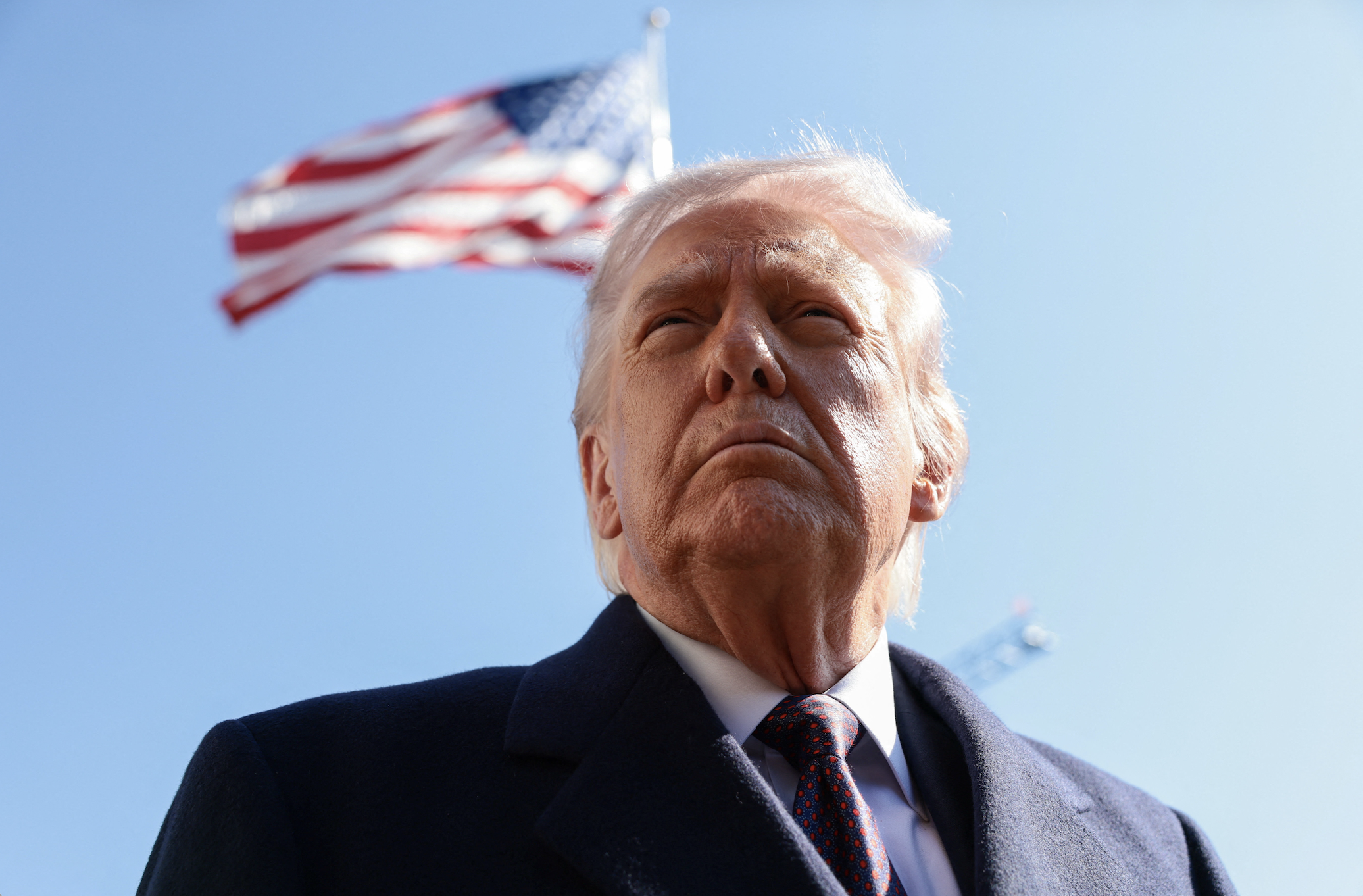
President Trump has for weeks hinted that the United States is interested in regime change, but has provided no details as to who Washington believes could lead the country. In a video address on Saturday morning, he described Tehran as a ‘terrorist regime’ and urged the Iranian people to take control of their government, saying US military strikes would pave the way for an uprising. Later he wrote that ‘Khamenei, one of the most evil people in History, is dead,’ calling it ‘the single greatest chance for the Iranian people to take back their Country’ and vowing that heavy ‘pinpoint bombing’ would continue ‘as long as necessary to achieve our objective of PEACE THROUGHOUT THE MIDDLE EAST’.
Some analysts, however, warned that in the face of an external threat many Iranians might rally around the flag and, paradoxically, strengthen the theocratic leadership.
Iran’s nuclear programme questioned
In the nuclear dispute, Washington argues that Tehran’s programme cannot be regarded as purely civilian. US officials maintain that uranium enrichment at high levels and the expansion of technical capacities raise legitimate concerns about possible weaponisation, even though Iranian leaders insist the programme serves energy and research purposes and point to the Supreme Leader’s long-standing religious ban on nuclear arms. Since 2003, a religious decree – a fatwa – issued by Ali Khamenei has been in force, condemning the possession of nuclear weapons as a ‘threat to Creation’.
However, Moscow has cooperated with Tehran on the development of civilian nuclear capabilities. In addition to quietly supporting uranium enrichment, Russia has openly assisted in the construction of the Bushehr nuclear power plant on the Persian Gulf coast.
US President Donald Trump criticised the programme during a visit to the Corpus Christi military base in Texas, arguing that Iran ‘has huge amounts of oil, so why does it need a nuclear power plant?’
Iran retaliates after US strikes
Araghchi told ABC News that Iranian forces had targeted US facilities in Kuwait, Bahrain, Qatar, the United Arab Emirates and Saudi Arabia. ‘I explained to them that we have no intention of attacking them, but in fact we are attacking American bases in self-defence,’ he said.
He added that the country’s leadership is not currently in contact with the United States. ‘If the Americans want to talk to us, they know how to contact me. We are definitely interested in de-escalation,’ he noted.
The UK Maritime Trade Operations (UKMTO), which monitors security incidents in the Red Sea and Gulf region, said on Saturday it had received notifications from vessels in the Persian Gulf that the Strait of Hormuz had been declared closed. Iran did not immediately confirm the claim.
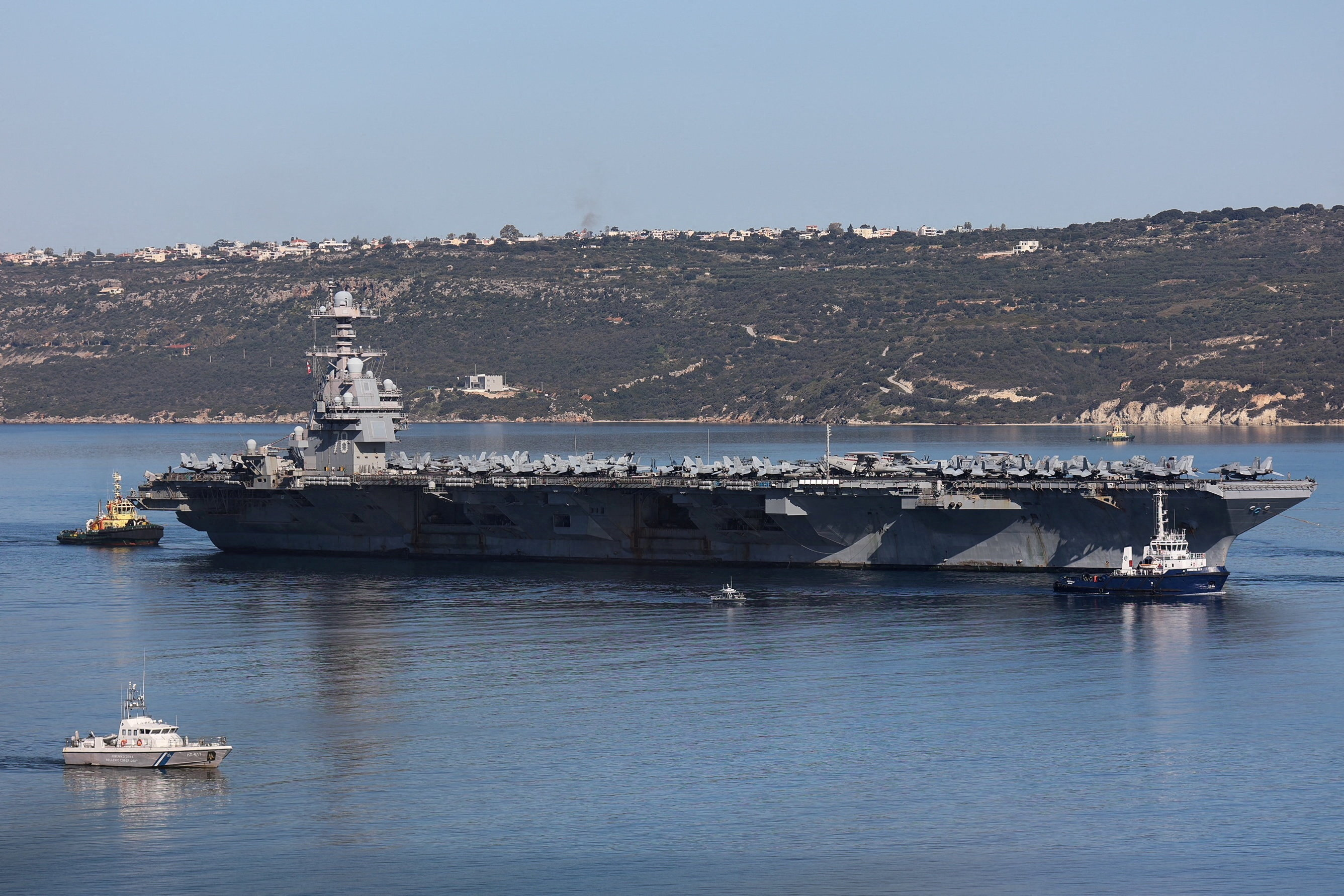
The strait is one of the world’s most important oil transit routes, with roughly a fifth of globally traded crude passing through it by tanker. In addition to Iran, Saudi Arabia, Iraq and the United Arab Emirates export oil through the narrow waterway from the Persian Gulf to the Arabian Sea.
The prospect of de-escalation outlined by Araghchi therefore appears increasingly remote. The Strait of Hormuz was also temporarily closed in mid-February during naval exercises in which Russia participated.
Netanyahu invokes biblical imagery
Israeli Prime Minister Benjamin Netanyahu spoke with US President Donald Trump by telephone following the latest strikes, agreeing to continue close coordination and to monitor developments, White House spokeswoman Karoline Leavitt said.
In public remarks, the Israeli prime minister again drew on biblical imagery, as he did after the Hamas attack on southern Israel on 7 October 2023. At that time, he referred to the ‘destruction of Amalek’, invoking a passage from the Hebrew Bible that recounts a historical enemy of the Israelites.
‘2,500 years ago, in ancient Persia, a tyrant stood against us with the same goal of completely destroying our nation,’ Netanyahu said, alluding to events described in the Book of Esther, set in the Persian empire, in what is now Iran. ‘Today, on Purim, the lot has been cast, and this evil regime will ultimately fall,’ he added, referring to the Jewish holiday.
A passage from the Book of Deuteronomy, traditionally read in connection with Purim, calls on the Israelites to remember the attack attributed to Amalek and to ‘blot out the memory of Amalek’ once settled in the Promised Land.
Netanyahu and members of his coalition, including National Security Minister Itamar Ben-Gvir and Finance Minister Bezalel Smotrich, have on occasion used the term ‘Amalek’ in reference to Israel’s adversaries.
Purim, one of the most festive dates in the Jewish calendar, commemorates the account in the Book of Esther in which the Jewish people are said to have been saved from destruction in ancient Persia. This year it falls on 2 and 3 March, corresponding to the 14th of Adar.
(sab, reuters)