
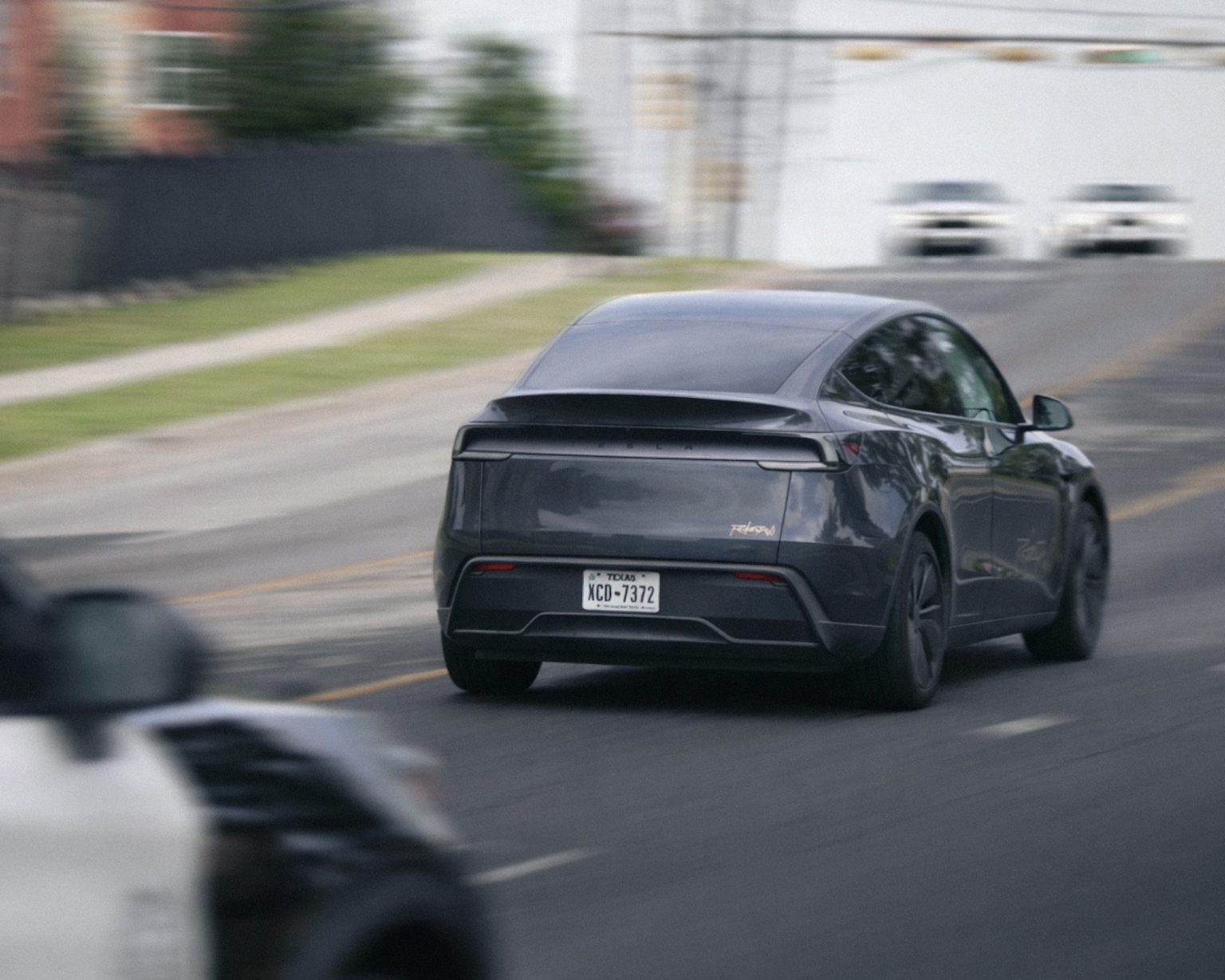
For more than a year, Elon Musk has repeatedly said that Tesla is only months away from launching a driverless robotaxi service in California – once state regulators give their approval.
Previously unpublished records from the California Department of Motor Vehicles (DMV), the agency responsible for registering vehicles and issuing driving licences, show that Tesla took no steps in 2025 to secure such approval.
The documents indicate that the company logged zero miles of autonomous testing on California roads last year – the sixth consecutive year without recorded test mileage.
Under California’s regulatory framework for driverless vehicles, companies must complete a series of permits before operating a commercial service such as Alphabet’s Waymo. Reporting test mileage is a central element of that system.
The cornerstone of the strategy
Much of Tesla’s $1.5 trillion market valuation rests on investor expectations that the company will soon run a large fleet of robotaxis and sell millions of subscriptions to its autonomous driving software. Operating driverless vehicles in California – the largest car market in the US – is central to that strategy.
Bryant Walker Smith, a law professor at the University of South Carolina and an expert on autonomous driving who has advised the California DMV, said Tesla is suggesting that ‘they are ready, and regulators are not’, whereas in reality ‘regulators are ready, and they are not’.
Tesla did not respond to a request for comment from Reuters. During an earnings call in October, Musk told analysts that the company is ‘paranoid about safety’ and takes a ‘cautious approach’ when entering new markets. ‘We could probably let it run freely in these cities,’ he said, ‘but we just don’t want to take the risk.’
Tesla currently runs a small pilot robotaxi programme in Austin, Texas, where regulatory requirements are less stringent than in California.
No test miles reported since 2019
In the San Francisco Bay Area, the company launched a service in July last year branded ‘Robotaxi’. However, according to the state regulator that authorised it, the operation involves human drivers using Tesla’s Full Self-Driving software, which is not fully autonomous.
To operate fully driverless vehicles in California – as Waymo does – Tesla would need permits from both the DMV and the California Public Utilities Commission, which oversees commercial passenger transport.
At present, Tesla holds only a basic testing permit from the DMV. That authorisation allows the company to test autonomous vehicles provided a safety driver remains behind the wheel. The regulator confirmed that the carmaker has not applied for additional permits.
Under draft DMV rules expected to be finalised by the end of the year, companies would be required to complete at least 50,000 miles – roughly 80,000 kilometres – of autonomous driving on public roads in California with a safety driver before applying to test without one.
Tesla has not reported any test mileage to California regulators since 2019. Since 2016, it has documented just 562 miles – approximately 900 kilometres – in total.
Waymo further advanced
By comparison, Waymo has logged more than 13 million test miles – nearly 21 million kilometres – and secured seven regulatory permits between 2014 and 2023. It is one of three companies authorised in California to operate commercial driverless services and the only one permitted to run a fleet of robotaxis.
Last year, Tesla criticised proposed revisions to California’s autonomous driving rules, questioning the requirement for testing on state roads and the minimum mileage thresholds. The company also objected to what it described as ‘overly burdensome reporting requirements’ for accidents and other system failures.
Musk has repeatedly suggested that California’s regulatory framework is the main barrier to deploying robotaxis in the state. On an earnings call in October 2024, he said California has a ‘fairly long regulatory approval process’.
‘I would be shocked if they didn’t approve us next year,’ he added, noting that ‘it’s just not something we can completely control.’
(reuters, im)