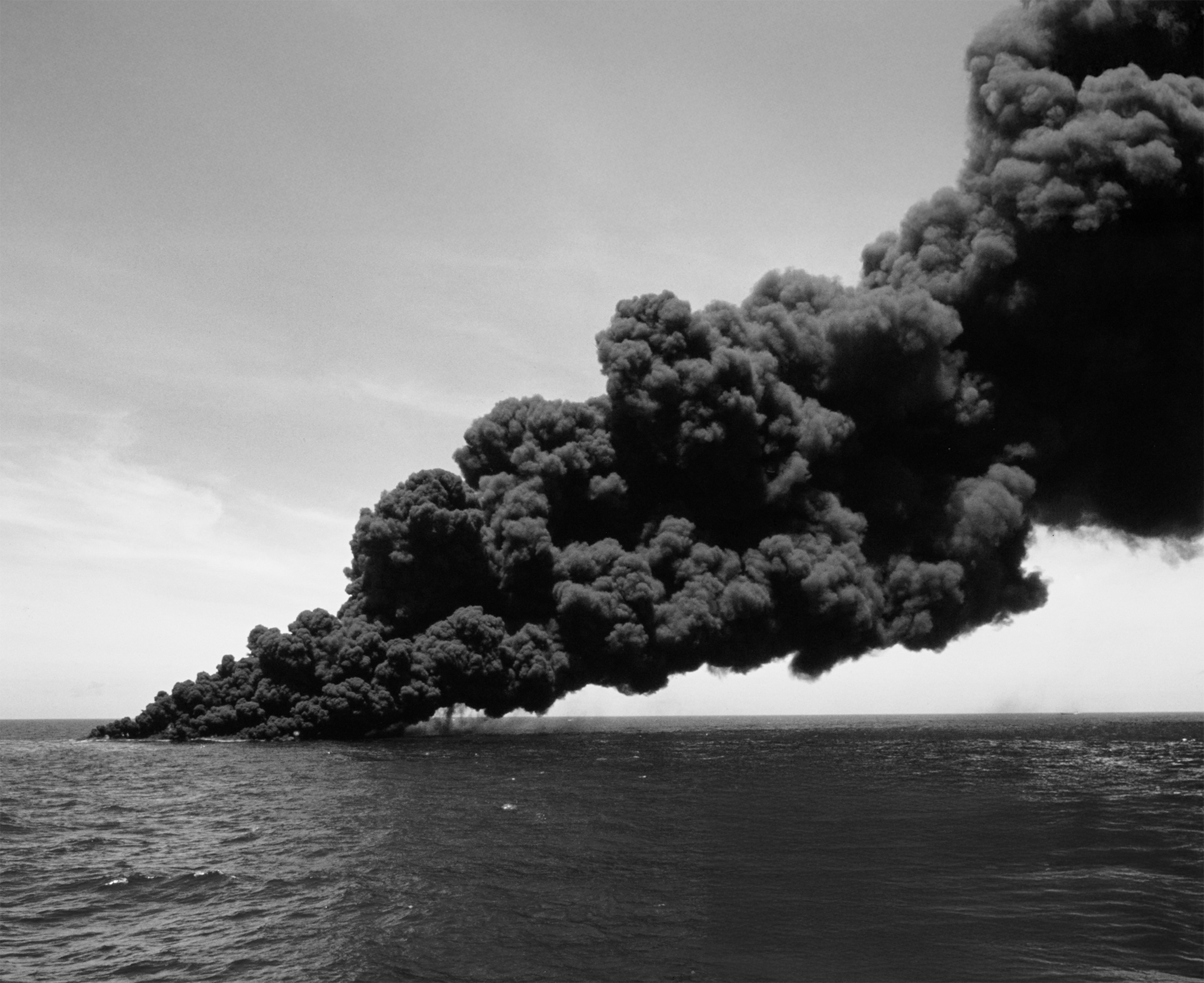
Following the death of Supreme Leader Ayatollah Ali Khamenei, the Iranian regime faces an existential threat. In a situation in which it may conclude that it has little left to lose, the risk increases that it could resort to measures it would otherwise have avoided.
One possible step would be the laying of thousands of sea mines in the Strait of Hormuz, widely regarded as the most effective form of blockade. Clearing such mines could take weeks or even months, driving up global oil prices and, in turn, pushing fuel prices sharply higher at filling stations.
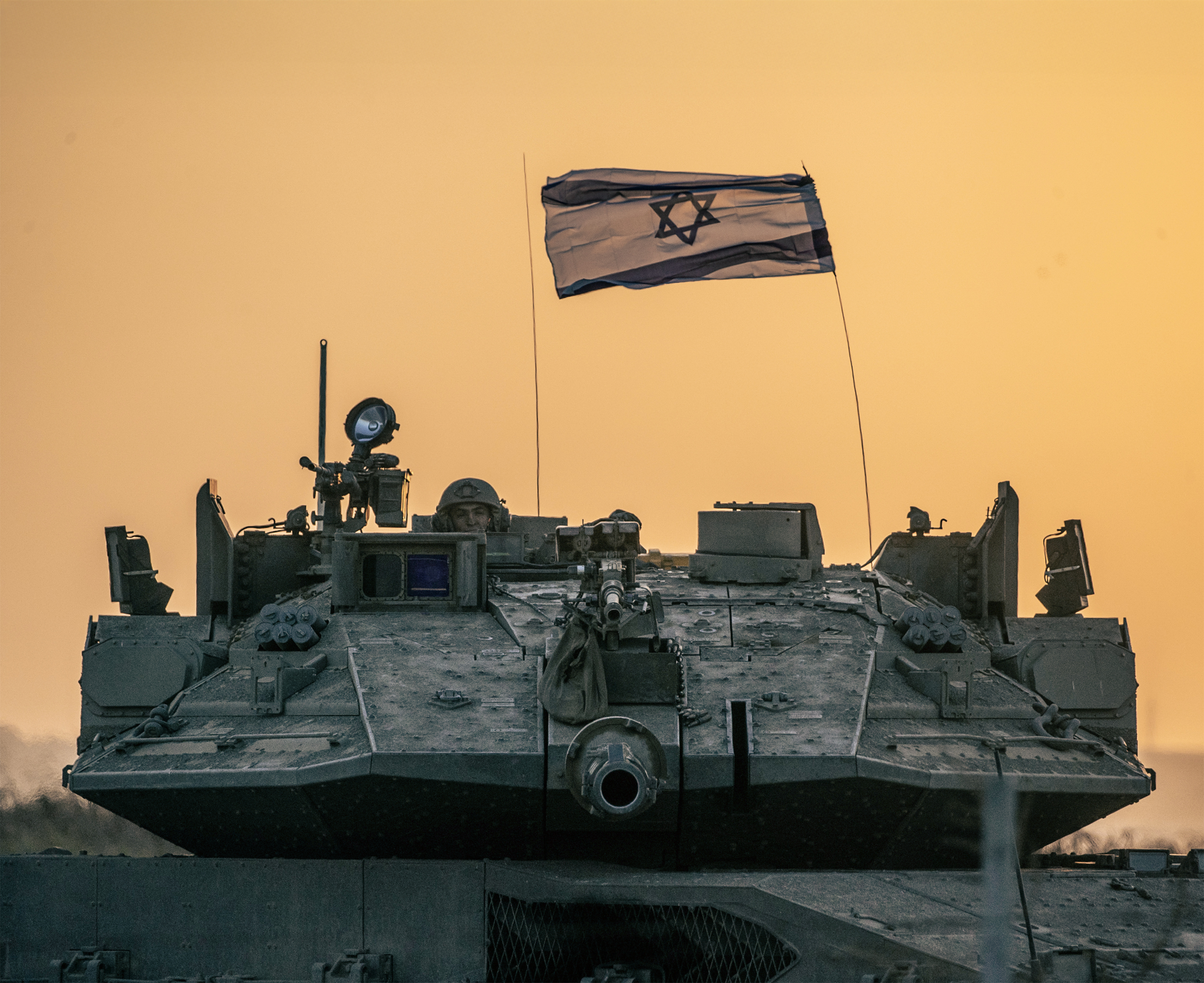
Even if the US Fifth Fleet, based in Bahrain, possessed sufficient military strength to prevent such an Iranian move and swiftly restore maritime traffic in the strait, the possibility of a more lasting blockade must now be taken seriously. President Donald Trump said on Sunday that the US military is sinking the Iranian navy, has destroyed nine Iranian warships so far and is ‘going after the rest’. The underlying factor is the potentially existential pressure facing the current regime in Tehran.