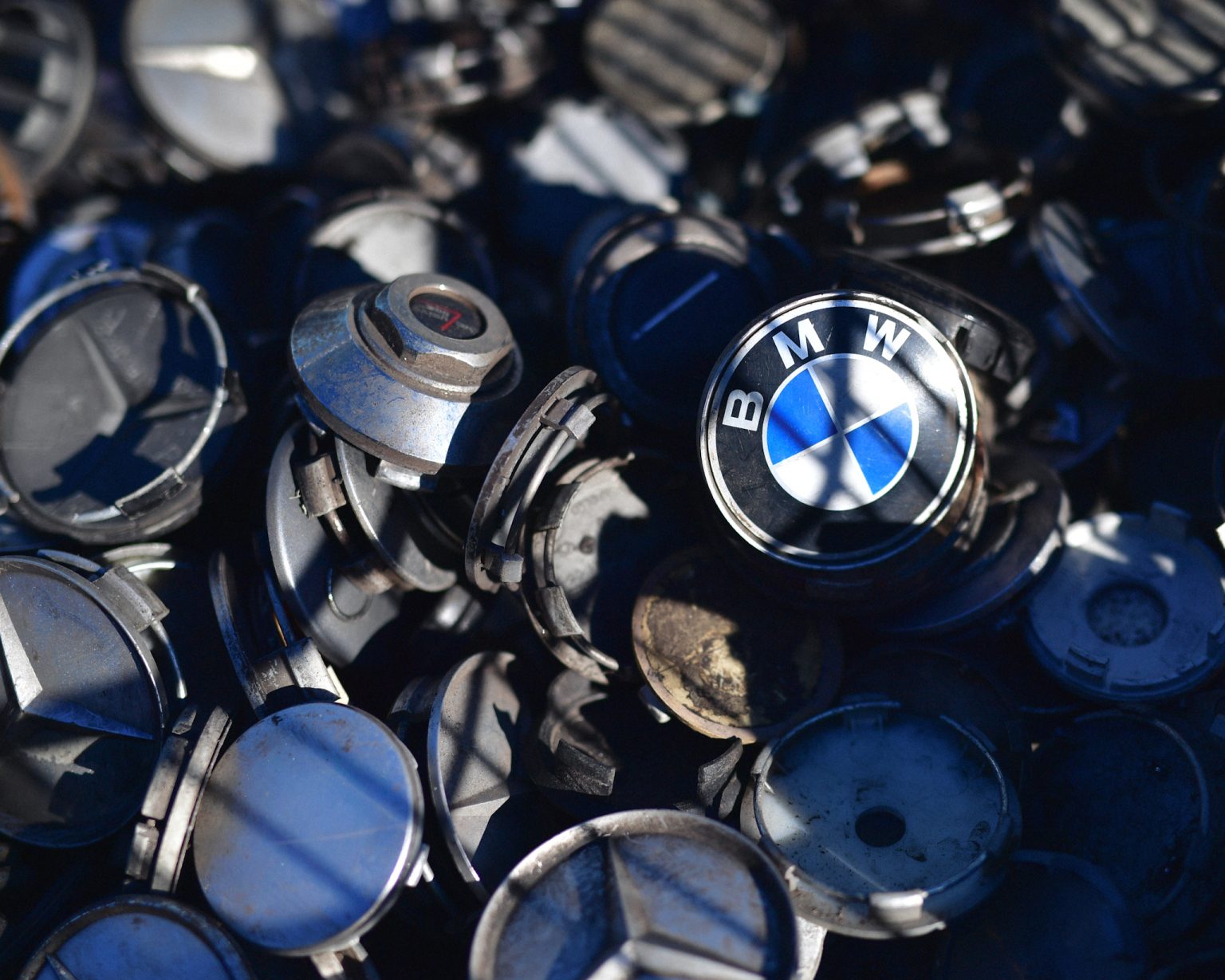
Karlsruhe. The state-funded organisation Deutsche Umwelthilfe (DUH) aims to force BMW and Mercedes-Benz to abandon combustion engines. To that end, its executives have taken their case to the Federal Court of Justice. The civil claims are directed against BMW and Mercedes-Benz, with the organisation’s managing directors appearing as plaintiffs.
On Monday, the Federal Court of Justice (BGH) heard arguments for the first time on whether private individuals may claim a right to prohibit car manufacturers, after 2030, from placing passenger cars with combustion engines on the market. The issue extends beyond Germany: the activists are pursuing what would amount to a global ban.
Public funds and legal activism
It is noteworthy that an association such as DUH receives substantial public funding. A 2018 report by then State Secretary Rita Schwarzelühr-Sutter of the Social Democratic Party (SPD) put total funding at €4.9 million. The organisation is also entitled to receive financial penalties imposed by courts when proceedings are discontinued. The state therefore supports, both directly and indirectly, a body that has repeatedly demonstrated its willingness to act in ways critics say run counter to broader economic interests. Its activities include numerous campaigns and, in particular, a series of lawsuits against public authorities and private companies alike.
Given the long list of cases brought by the organisation, some observers question whether its primary objective is to assist the environment, whatever that may mean in practice. The group has opposed liquefied natural gas terminals, nuclear power, New Year’s Eve fireworks and coffee capsules. In numerous cities, diesel driving bans followed successful DUH litigation. Public funding, however, has continued.
Doubts over admissibility
During the current hearing, the presiding judge of the Sixth Civil Senate of the BGH, Stephan Seiters, indicated in a preliminary assessment that there were doubts as to whether the action was well founded in law. In Germany, several rulings of the Federal Constitutional Court have addressed climate policy. Under the Basic Law, the country has committed itself to achieving climate neutrality by 2045.
The self-described climate campaigners now seek to hold internationally active companies such as BMW and Mercedes accountable. They attribute millions of tonnes of allegedly climate-damaging greenhouse gas emissions to the manufacturers. Counsel for BMW and Mercedes, by contrast, referred to the Paris Climate Agreement, which does not allocate specific greenhouse gas budgets to individual companies.

You might be interested
The German Climate Dictatorship
Comparable lawsuits have so far met with no success. Both the Higher Regional Court in Munich and its counterpart in Stuttgart have held that there is no legal mechanism by which a phase-out of combustion engines by 2030 could be enforced. The DUH’s managing directors argue that the continued sale of allegedly climate-damaging vehicles beyond 2030 would unlawfully infringe their personal rights under German constitutional law. The BGH is due to deliver its judgment on 23 March. With further similar actions filed by other environmental and climate activists, the court’s ruling is being awaited with considerable interest. Two proceedings against the Volkswagen Group are currently pending before the Higher Regional Court in Hamm.
Investment climate at risk
Should private individuals in Germany ultimately be able to obtain court orders prohibiting specific technologies or products, companies affected may not hesitate to turn their backs on the country. Such case law would also make it significantly more difficult to attract new investment. Few businesses are likely to commit capital in a jurisdiction where, only a few years later, judicial decisions could render that investment worthless.