
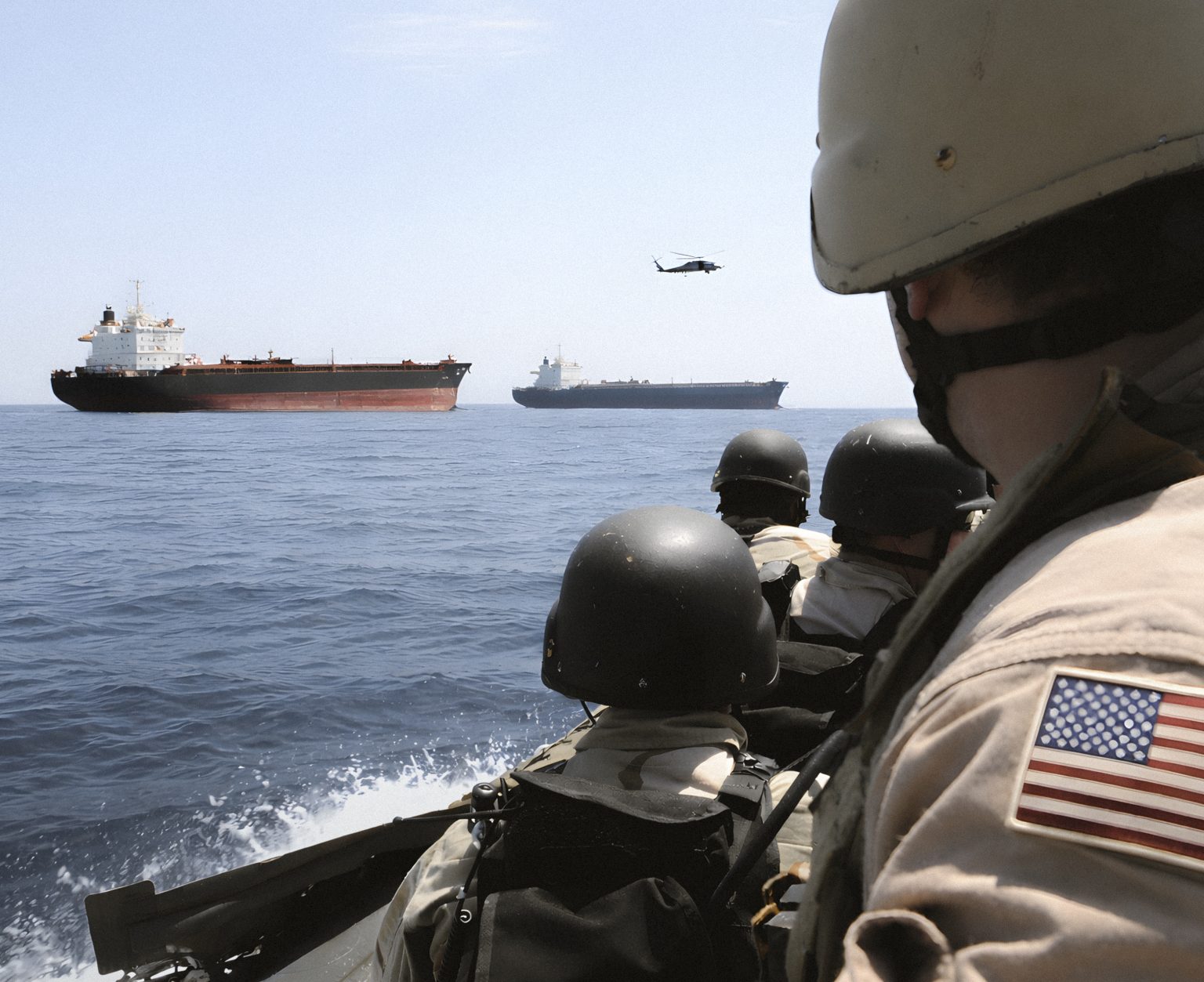
Air strikes on Iran have once again placed global supply chains under severe strain. Unlike during the coronavirus pandemic, factories remain open and goods are available. What is faltering is transport and delivery. A globally interconnected economy with highly specialised value chains depends on functioning routes by land, sea and air.
The attacks by the United States and Israel on Iran – and even more the indiscriminate bombardment of the region by the collapsing mullah regime – have turned the Middle East from the Suez Canal to the Gulf of Oman into a vast danger zone. All forms of transport are affected. Threats from Tehran have brought shipping through the Strait of Hormuz almost to a standstill. Together with other restrictions and risks, this is already causing major delays and, in extreme cases, the cancellation of deliveries between Europe and Asia and vice versa.
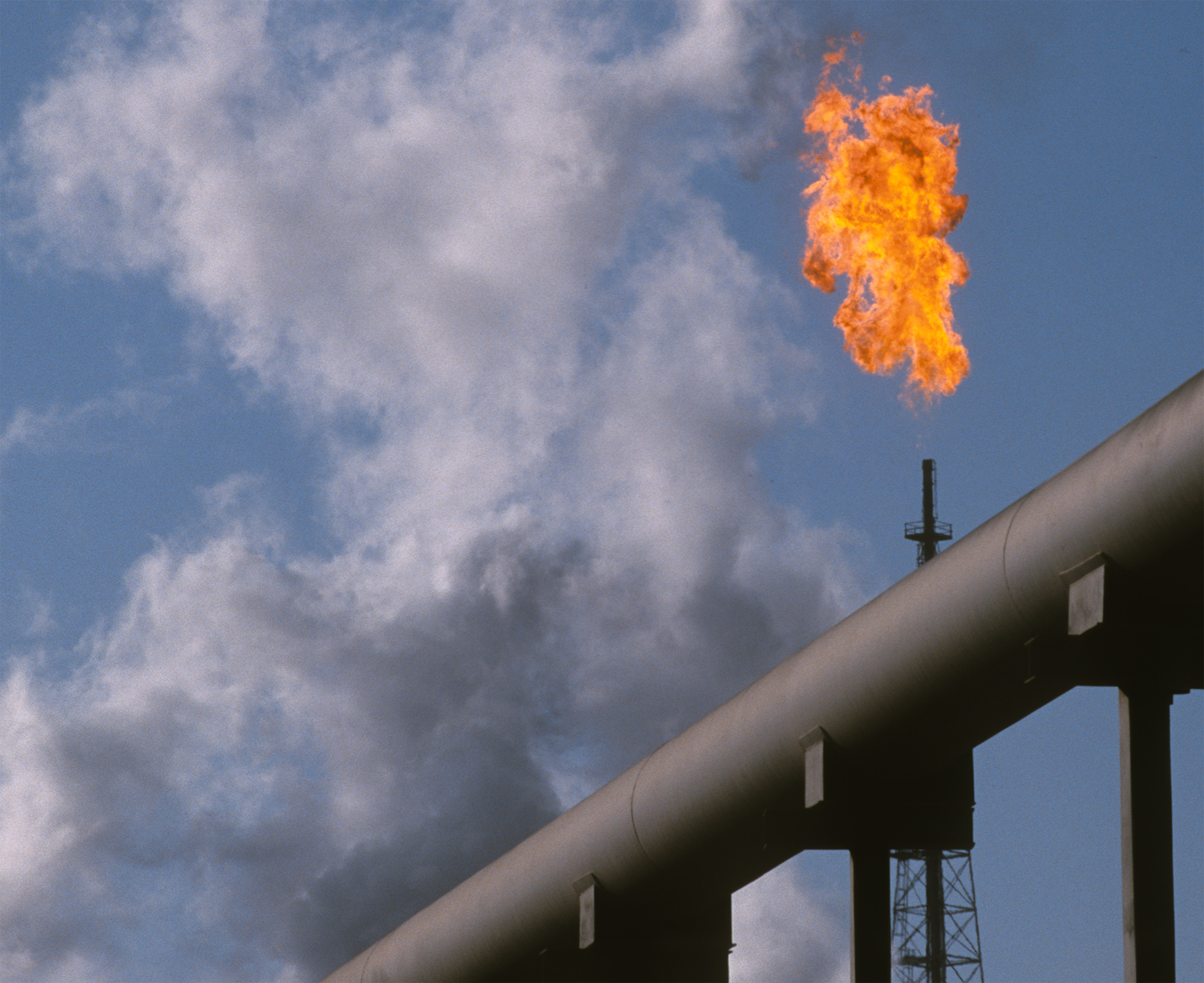
Rising oil and gas prices are the most immediate effect. Gas markets are also becoming increasingly precarious. Qatar ranks fourth worldwide among suppliers of liquefied natural gas (LNG). Europe is not directly dependent on Qatari deliveries, but the gas market is global and rising prices affect everyone. Since vessels from Qatar must pass through the Strait of Hormuz, shipments from the country have currently come to a complete halt.
A significant share of global oil production is likewise transported by tanker through the Strait of Hormuz. Those shipments have also stopped. Prices have therefore risen sharply. Brent crude traded this morning between $82 and $85 per barrel, equivalent to around 159 litres. Only a week ago prices were hovering around $68 to $70. Motorists are already feeling the consequences at the petrol pump, where the price of Super E5 has climbed to about two euros per litre.
Supply of intermediate goods slows
Other effects are less immediately visible but will also be reflected in consumers’ wallets. Delays on routes between Asia and Europe are already estimated at between 10 and 14 days. Besides the chemical sector, the automotive industry and consumer electronics are among the sectors affected by disruptions to supply chains.
The chemical industry depends heavily on imports of plastics and intermediate products such as formaldehyde derivatives, acetone and phenol, as well as precursors used in the production of polyurethane. The latter is widely known as PU foam, a material without which almost no modern construction site can function. The example illustrates how deeply the disruptions reach into industrial production. Even a brief overview shows how broadly the economy is affected by disruptions or delays.
Supermarkets will also feel the consequences. Iran exports a range of food products to Germany, including nuts – particularly pistachios – dried fruit, saffron and caviar. The Gulf region also supplies raw materials vital for European industry, including various minerals, copper, lead, zinc and steel. Here too delays or even complete supply interruptions cannot be ruled out.
Standstill in air and at sea
In maritime freight the key issues are bottlenecks and detours. The route around Africa, which many vessels are now choosing, is safer but adds three to five days to the journey and increases costs accordingly. Insurance is another major cost driver. In response to the escalating risks, insurers have announced that they will withdraw war-risk coverage for the region.
Shipping insurers such as Gard, Skuld, North Standard, the London P&I Club and the American Club have already said they will withdraw coverage from Thursday onwards. War risks in Iranian waters as well as in the Persian Gulf and neighbouring seas will therefore no longer be insured, the companies said.
As a result, shipowners are allowing vessels to anchor before the strait and hoping to avoid missile strikes. When ships do sail, companies such as Hapag-Lloyd are charging a war-risk surcharge of $1,500 per container for routes through the Persian Gulf. By comparison, transporting a container from China to Rotterdam or Hamburg cost around $2,100 only a month ago. Those increases are ultimately passed on to consumers through higher prices.
Networked supply chains stall
In air freight the main problems are reduced capacity and disrupted routes. Logistics specialists say the core issue is the temporary collapse of the Gulf ‘superhub model’, which normally channels east–west cargo flows through Dubai, Abu Dhabi and Doha. These hubs serve as platforms for consolidation, transit and the replenishment of intercontinental networks with goods, raw materials and intermediate products.
Modern international supply chains operate less in straight lines than through complex networks. Deliveries from manufacturers and orders from customers are pooled, bundled and flexibly routed according to demand so that goods can be delivered as precisely as possible in time. The system is delicate but highly efficient as long as all its components function reliably.
When operational windows in such a central region are suspended or severely restricted, the consequences for production and trade are immediate and global. Companies that rely on deliveries through these channels notice the disruptions very quickly.
Regulatory advisories to avoid certain airspaces – or decisions by cargo airlines to avoid technically open airspace if safe navigation, operational redundancy or insurance coverage cannot be guaranteed – produce exactly that effect. The result can be simple: if an airport in the Middle East is no longer served, production lines in a German factory may stop three days later because essential components or raw materials fail to arrive.
According to reports, airports in Dubai, Doha and Abu Dhabi have largely suspended regular operations. Lufthansa and Lufthansa Cargo say they have significantly reduced their flights, while several destinations will not be served until early March. The additional costs for freight forwarders mean that delays are accompanied by further price increases.
Retailers and online marketplaces such as Shein, Temu and Amazon have already announced significant delivery delays. Another concern for the German economy is the disruption of direct trade relations. Almost 2,000 German companies operate in the states of the Gulf Cooperation Council (GCC), a free-trade area that includes the United Arab Emirates, Saudi Arabia, Oman, Kuwait, Bahrain and Qatar.
Economists agree that the extent to which those disruptions affect European economies – individually or collectively – will depend above all on the duration and outcome of the war.