Britain’s traditional two-party dominance is showing signs of strain. For around a century, Labour and the Conservatives have dominated the country’s political system. But recent electoral results and polling trends suggest that a growing number of voters are looking elsewhere.
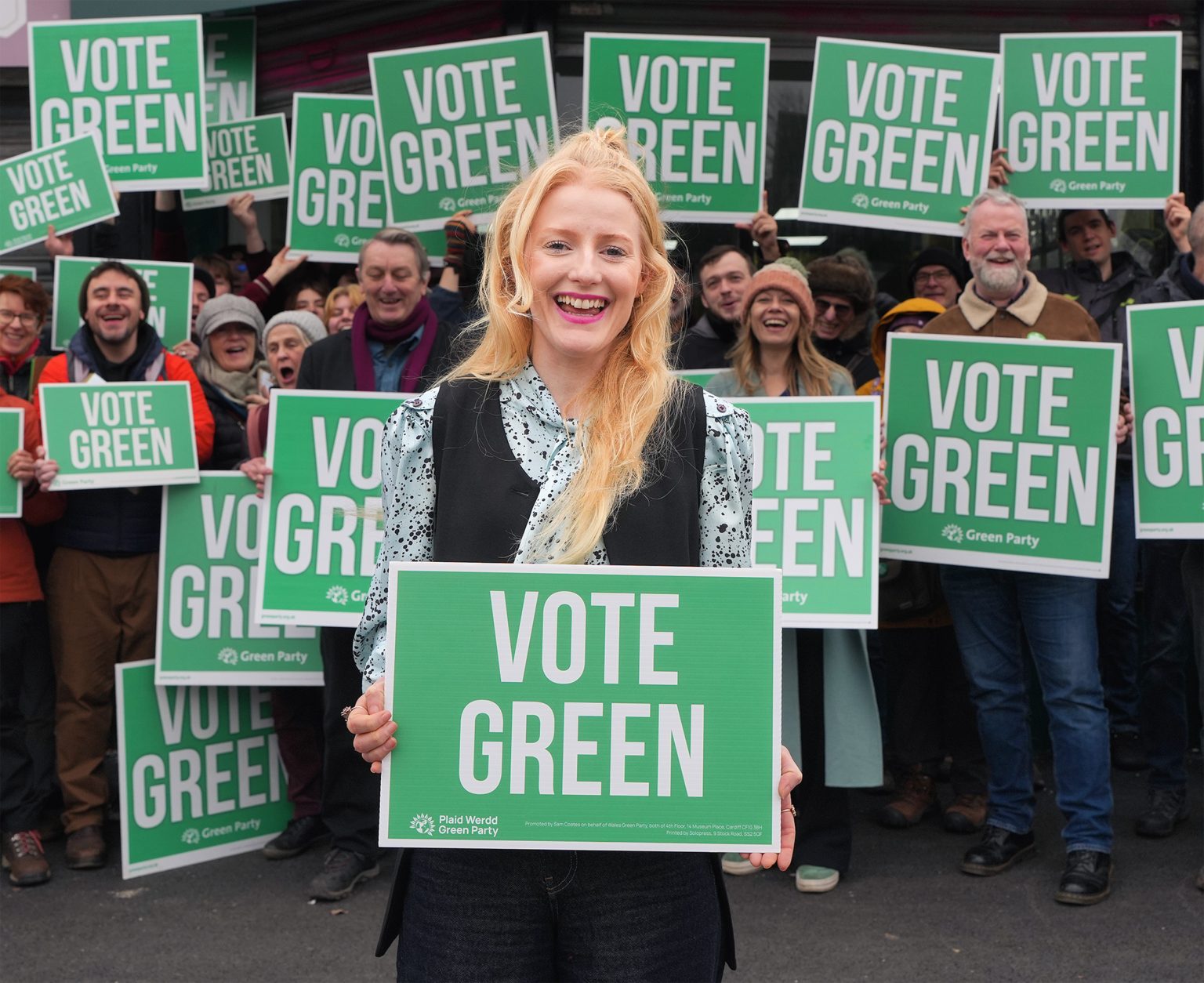
The shift became particularly visible in the Gorton and Denton by-election, where Labour lost a seat it had held for as long as it has existed. The Green Party secured the victory, marking the first time it has ever won a parliamentary by-election. Just as striking was the runner-up: the right-wing Reform UK finished second in this traditionally left-wing seat, pushing Labour into third place.
The outcome reflects a broader development. With both Labour and the Conservatives struggling in the opinion polls, a number of new parties are vying to occupy the political space left by declining trust in the traditional parties.
Among the most prominent challengers founded in the last few years are Reform UK, Restore Britain, and Your Party. These movements are emerging from different sides of the political spectrum but are united by dissatisfaction with the current state of British politics.
Reform UK: Farage’s project moves toward the mainstream
The most established of the new challengers is Reform UK, the party associated with Brexit campaigner Nigel Farage.
Originally created as the Brexit Party in 2019, it was designed to pressure the government into delivering Britain’s departure from the European Union. Since then, it has transformed itself into a broader political force, positioning itself as a populist alternative to both Labour and the Conservatives.

In recent months Reform has taken steps to present itself as a more professional political organisation. The party has announced the creation of a shadow cabinet, a move typically reserved for the largest opposition party in parliament, signalling its ambition to be taken seriously as a national challenger.
It has also recruited Cambridge academic James Orr as its head of policy, reflecting an effort to build a serious programme for government, rather than relying on protest politics.
One of the party’s flagship proposals is 'Operation Restoring Justice,' a plan focused on deporting illegal migrants and regaining control of the borders. Since 2018, nearly 200,000 illegal immigrants have come on small boats across the English Channel. The failure by both Conservative and Labour governments to stop them is a major reason why their voters are deserting them. Reform has also begun expanding its regional political presence, recently publishing a Welsh manifesto as part of an effort to build a broader electoral base.
Despite still having fewer than ten MPs, Reform currently performs strongest among all parties in opinion polls, and is widely seen as the most credible challenger to the established political order.
Restore Britain: Rupert Lowe’s new political vehicle
A newer and less clearly defined movement is Restore Britain, launched by former Reform UK politician Rupert Lowe after he was removed from the party over internal disputes.
He has launched a Rape Gang Inquiry, an investigation into the grooming gang scandals in Britain which saw thousands of girls abused by largely British-Pakistani gangs while the authorities turned a blind eye. The campaign has gained significant attention online and is supported by Elon Musk, whose frequent boosting of Lowe has helped him to build a strong presence on social media.
Yet questions remain about whether that online visibility can translate into real-world political success.
At present, the organisation’s structure appears fluid. Lowe has only registered Great Yarmouth First, where he is the member of Parliament, as a political party. That has led some observers to speculate that Restore could function as an umbrella for local movements rather than a traditional national party.
So far, the project has attracted defections from other political groups, but it has yet to secure major electoral victories.
Your Party: the fractured left-wing alternative
On the opposite side of the political spectrum, Your Party has emerged as a breakaway movement from Labour.
The group brought together former Labour politicians Zarah Sultana and Jeremy Corbyn with two of the independent MPs elected in the last general election on platforms focused heavily on the Gaza conflict.
The party’s early development has been marked by internal disputes and organisational instability.

Shortly after the project was announced, Sultana declared herself joint leader and began independently collecting donations, prompting tensions with other figures in the movement. In elections for the Central Executive Committee, Corbyn’s faction consolidated control, .
The coalition has also been weakened by ideological disagreements. Two more Gaza independents have already left the movement, reportedly over disputes on issues such as transgender rights.
As a result, analysts often describe Your Party as politically energetic but organisationally fragile.
A more fragmented political future
Taken together, the rise of Reform UK, Restore and Your Party suggests that Britain’s political system is entering a more fragmented phase.
Voters who once reliably supported either Labour or the Conservatives are increasingly willing to experiment with alternatives, driven by dissatisfaction with mainstream politics and the sense that traditional parties no longer represent their interests.
However, Britain’s first-past-the-post electoral system remains a major barrier for smaller parties. Even movements that achieve significant national support often struggle to convert votes into parliamentary seats.
For now, Restore Britain and Your Party are more likely to help reshape the political battlefield rather than win power themselves. Reform have a real chance to supplant the Conservatives, although whether that can be maintained is uncertain. Any Reform government would need to undertake sweeping changes on a wide range of areas while dealing with a poor financial situation and a dysfunctional civil service.