
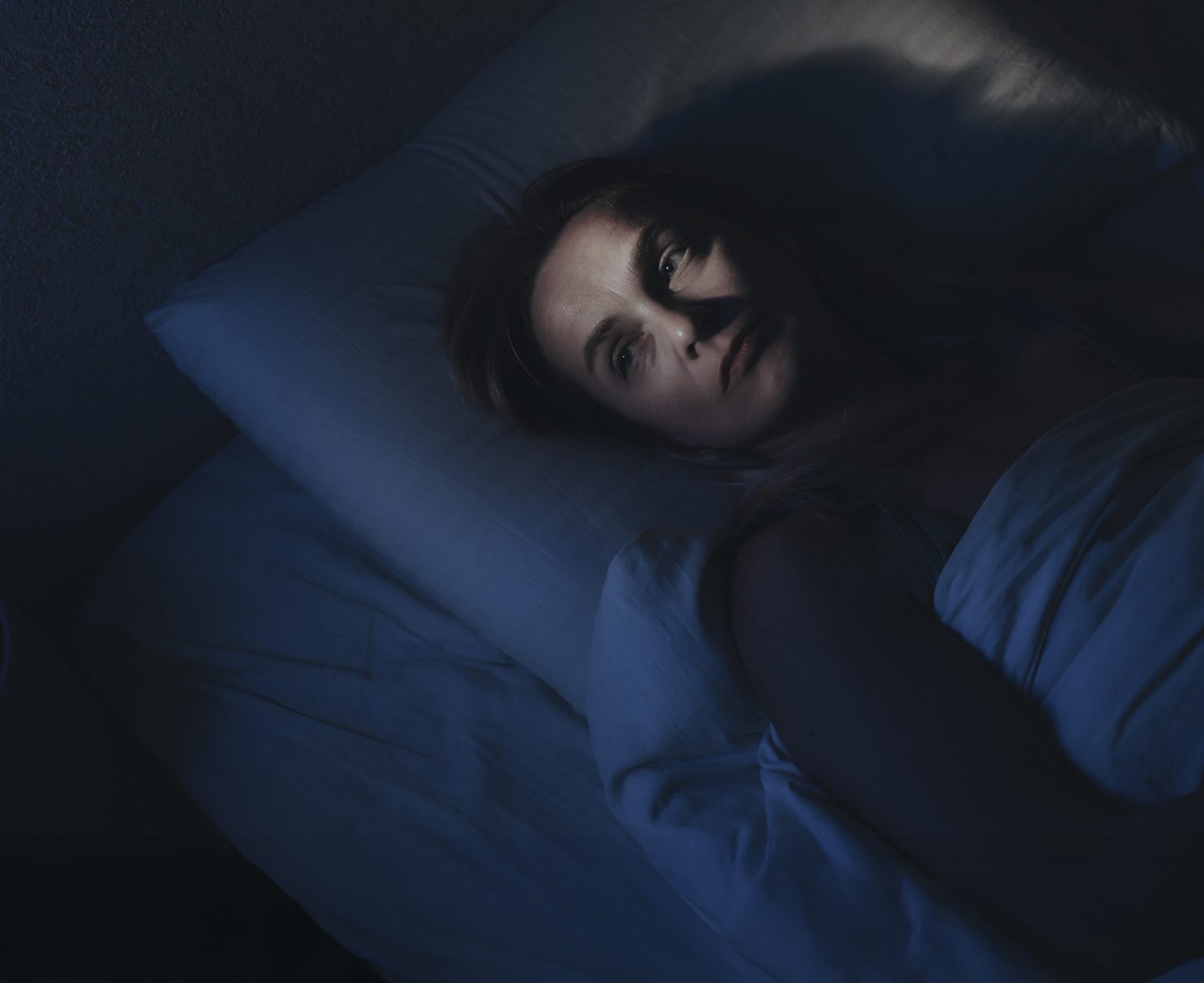
Sleep is one of the fundamental biological processes. In neuroscience it is regarded as an active process during which the brain works intensively. It consolidates memory, processes emotions and reorganises synapses by modifying connections between nerve cells over time. During sleep the body clears itself of metabolites – intermediate and waste products of metabolism.
However, not every night of sleep leads to proper recovery, as Katarína Miklášová, a sleep therapist at the MediKlinik sleep clinic in Bratislava, told Statement. Each year, hundreds of patients with different diagnoses visit the clinic’s sleep laboratory. Many complain of sleep disorders, breathing interruptions, restless legs syndrome and a disrupted sleep–wake cycle. Too little sleep is becoming an increasingly common problem.

Structure of sleep
Sleep consists of four phases. Non-REM 1 is light sleep, during which the transition between wakefulness and sleep occurs. Muscles relax and brain waves slow down. The second phase is Non-REM 2. This is also a light sleep phase, but the sleeper can no longer be disturbed as easily. The phase is important for processing the experiences of the day and strengthening new information in memory.
The third phase is Non-REM 3. This is deep sleep and therefore the most restorative phase. During this phase the body releases increased amounts of growth hormones, repairs cells and strengthens the immune system. The fourth phase is REM sleep. At this time the brain is as active as when we are awake. Emotional memory is consolidated during this phase. People dream and process their experiences. The abbreviation REM stands for Rapid Eye Movement. The rapid movement of the eyes indicates that we are dreaming.
Even this basic description shows that sleep is not merely passive recovery but a key mechanism for our thinking, cognitive abilities, mood and overall health. The close connection between sleep and mental health is evident in the fact that people suffering from depression often sleep poorly or not at all, and that sleep deprivation has even been used as a method of torture.
Katarína Miklášová says that people who do not experience deep sleep suffer from fatigue, a weakened immune system, memory disorders, an increased risk of metabolic and neurological diseases and mood disorders, including depression. According to the expert, insomnia is often a combination of psychological and neurological problems: ‘Psychological factors such as stress or anxiety and neurological changes in the brain reinforce each other. Sleep disorders are closely linked to anxiety and depression.’
The average duration of sleep among the population has declined in recent decades. In Slovakia, for example, sleep time has shortened over the past 20 years, while sleep quality has deteriorated because of stress, technology, artificial light, irregular routines and insufficient attention to personal well-being and a health. A similar phenomenon can be observed in many other countries.
A study by the health insurer Pronova BKK in 2024 found that people in Germany sleep an average of around seven hours per night during the week. For many, this is not enough. Around two thirds of respondents said their ideal amount of sleep was at least eight hours. Sixty per cent of Germans reported not getting enough sleep during the week.
Too little sleep is unhealthy
Some people sleep only four or five hours on average, which experts say is unsustainable in the long term. ‘The brain and the body suffer as a result, and those affected often convince themselves that they function normally, but they are mentally and physiologically weakened. The body operates in emergency mode, but this cannot be maintained indefinitely,’ Miklášová says. She adds that chronic sleep deprivation increases the risk of dementia, depression and cardiovascular disease and impairs memory, emotions and metabolism.
The problem also exists in Germany. A survey by the polling institute Civey shows that men and women alike increasingly complain about difficulties relaxing in the evening. While in 2022 only 13 per cent of men said that overthinking prevented them from falling asleep, this figure had risen to 27.3 per cent in the October 2025 survey. Among women, the share currently stands at 25.6 per cent, compared with 24 per cent three years earlier.
The survey also found changes in nightly sleep duration compared with previous years. While in 2023 most federal states were still dominated by sleep durations of seven to eight hours, a decline is now becoming apparent.
In Rhineland-Palatinate, Baden-Württemberg and Bavaria about one in four respondents now report sleeping only six to seven hours. According to the survey, sleep is even shorter in Bremen, Thuringia and Saxony-Anhalt. In these states almost one in three respondents say they sleep only five to six hours.

Late nights and the role artificial light plays
Various factors contribute to people sleeping too little. These include social factors such as irregular daily routines, late meals, parties and long nights at weekends, but also emotional tension and stress at school or work.
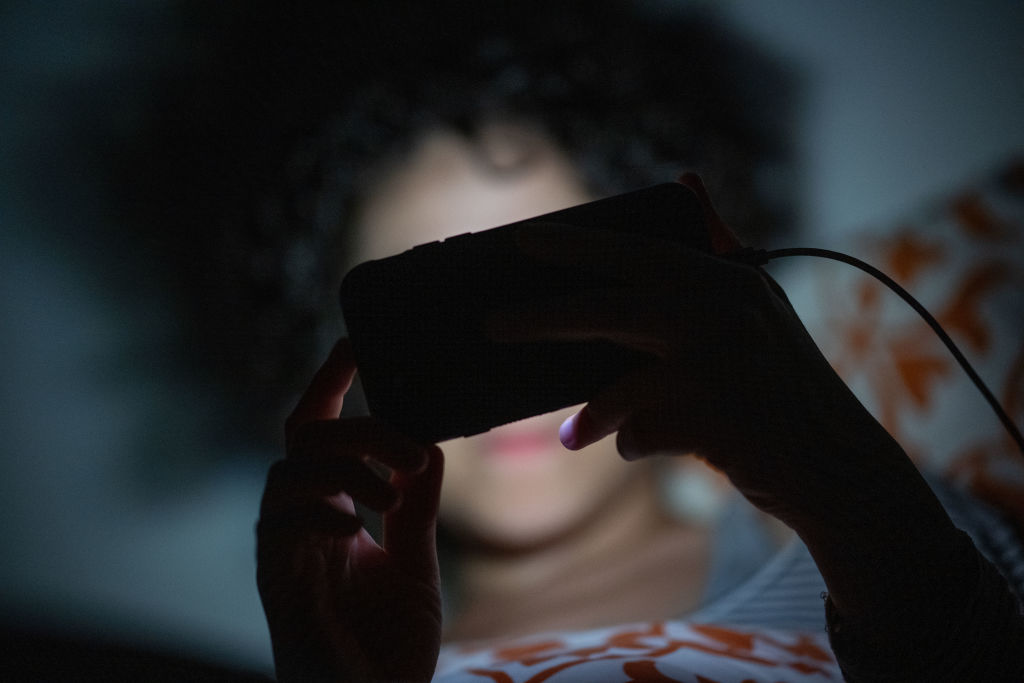
The light emitted by mobile phones and screens contains a high proportion of blue light and is suspected of reducing both the quality and duration of sleep. Blue light from digital devices actually suppresses the production of melatonin, meaning the body does not receive the necessary signal that it is time to sleep. In addition, dopamine is released, which promotes wakefulness and activity.
As a specialised therapist at the clinic in Slovakia, Miklášová mainly conducts behavioural therapy and focuses on the causes of sleep problems rather than merely suppressing the symptoms. ‘We discuss the client’s current sleep habits, evening routine, daily energy levels, stress, thoughts about sleep and factors from the past or childhood. We also look at inherited factors and traumas that may gradually have disrupted sleep,’ the expert explains.
Sleeping pills that are now available over the counter in pharmacies may be effective in the short term, but they do not address the underlying causes. Speaking about dreams that occur during the REM phase, Miklášová says: ‘Nightmares are often an expression of the processing of emotions and memories, because REM sleep activates emotional memory. They have no pathological meaning as long as they do not interfere with daily life. Vivid dreams about deceased people are simply a projection of the subconscious during sleep as we try to come to terms with their death. The brain processes this most effectively during sleep.’

There are usually solutions
There is almost always a solution, even if sleep problems seem hopeless and people feel they have already tried everything. Sleeping is a natural ability of the body and in most cases can be restored with the right guidance, patience and appropriate measures.
Specialist clinics for sleep disorders now exist in almost all countries. Sleep and numerous sleep disorders are well researched. When in doubt, people should always consult a specialist doctor if they believe they are unable to sleep properly.