
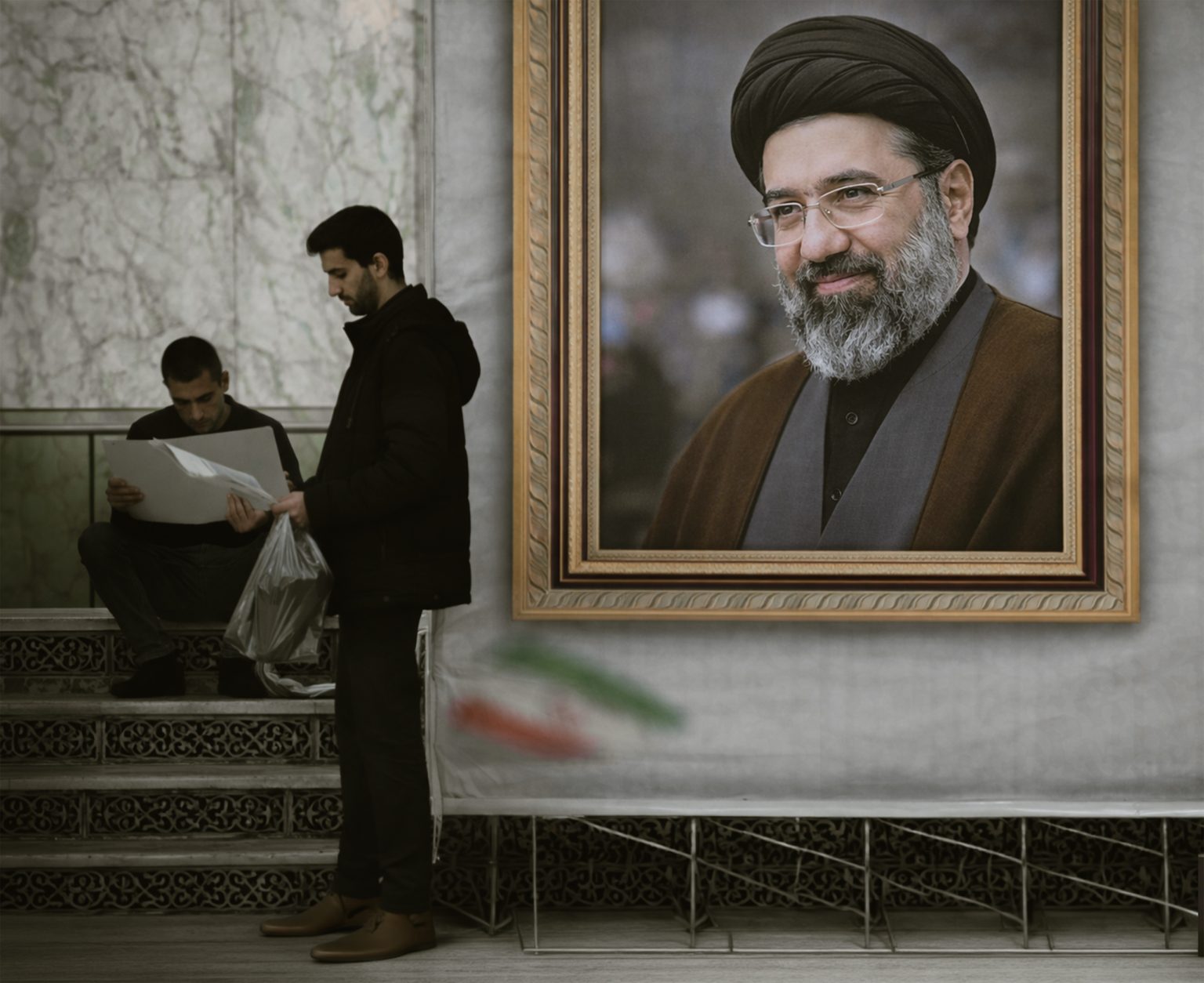
Iran’s Assembly of Experts has elected Mojtaba Khamenei as the country’s new supreme leader. The decision effectively confirms a dynastic succession by elevating the son of the previous leader, Ali Khamenei, who was reportedly killed in Israeli-American strikes at the end of February.
The Assembly of Experts is a key institution in Iran’s complex theocratic system responsible for appointing the supreme leader, the country’s ultimate political authority. It has 88 members, all clerics recognised as mujtahids – scholars of Islamic law – whose candidacies are vetted by the Guardian Council.
Mojtaba Hosseini Khamenei, 56, is, like his father, an Islamic theologian and legal scholar. Western observers often describe him as more doctrinally rigid.
In Iran, as in much of the Islamic world, the distinction between theological authority and legal power is often blurred. Islam functions not only as a religion but also as a legal framework influencing social relations, the functioning of institutions and the conduct of international agreements.
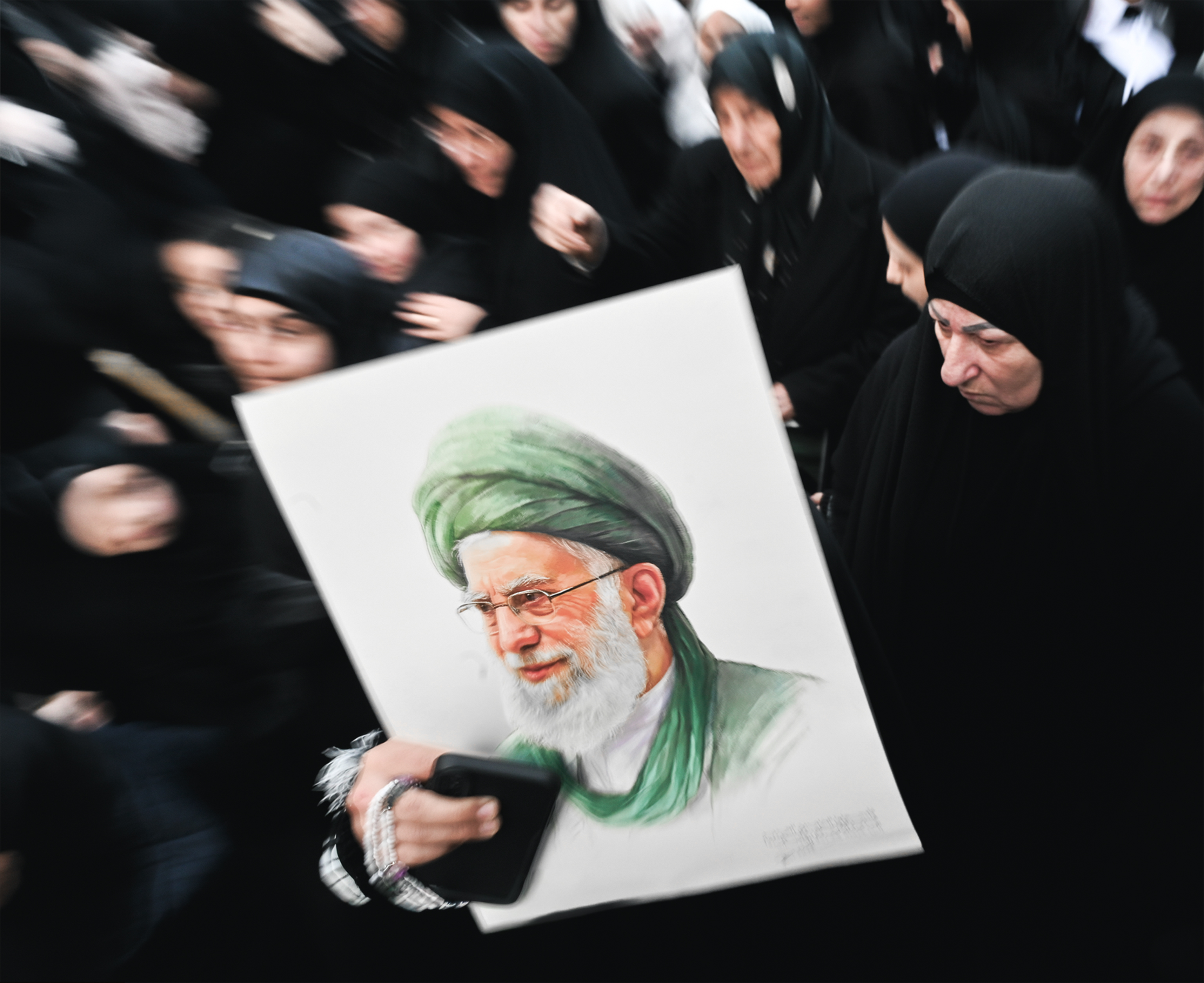
The monarchy of the ayatollahs
According to international media reports, Khamenei Jr. has never held a formal state office. Nonetheless, he has long been described as a figure of considerable influence behind the scenes. Leaked American diplomatic cables published by WikiLeaks in 2009 referred to his significant informal role within the system.
The BBC has noted that his elevation is controversial because the Islamic Republic has long presented itself as an opponent of hereditary rule. In theory, the selection of a supreme leader is supposed to be based on religious authority and demonstrated leadership rather than family ties.
The second of the former ayatollah’s six children was born on 8 September 1969 in the north-eastern city of Mashhad, from which the wider family originates. He attended the Alavi religious school in Tehran and reportedly completed military service at the age of 17.
He served in several short periods during the Iran-Iraq War from 1980 to 1988. More than a decade after the conflict ended, Mojtaba resumed his theological studies in the holy city of Qom.
Iranian media have reported that he did not begin wearing clerical dress until 1999. The reasons for his decision to pursue advanced religious studies relatively late – at around 30 – remain unclear.
He first attracted wider attention during the 2005 presidential election won by Mahmoud Ahmadinejad, widely described in Western media as a populist. After his defeat, reformist candidate Mehdi Karroubi wrote an open letter to Ali Khamenei accusing the leader’s son of interfering in the election through contacts within the Islamic Revolutionary Guard Corps.
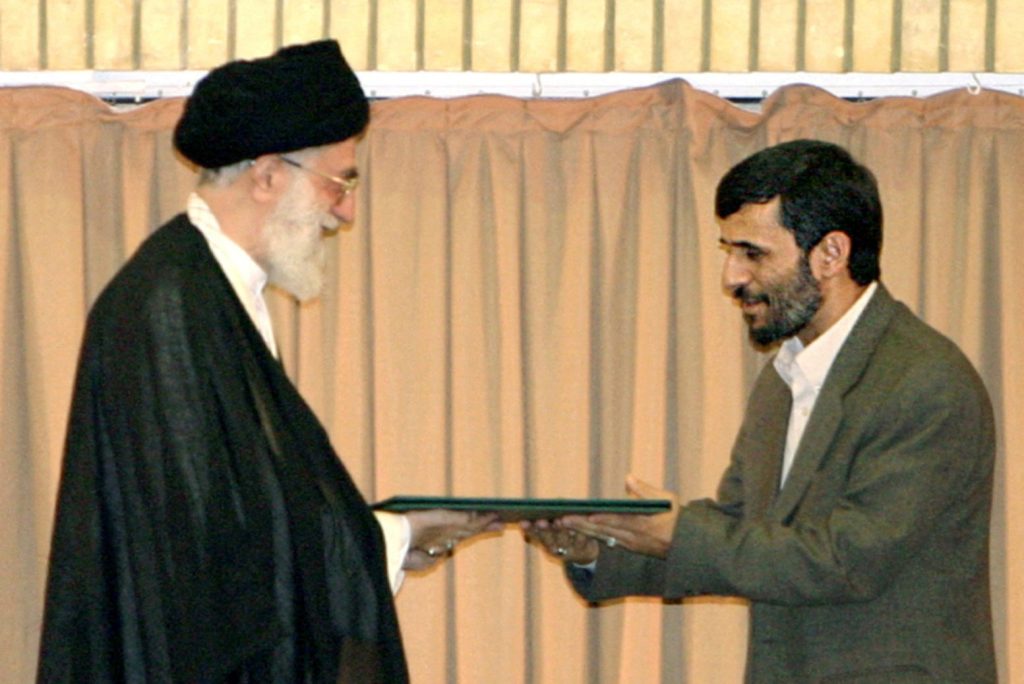
Together with the Basij militia, they allegedly sought to mobilise religious networks in ways that increased turnout and helped secure Ahmadinejad’s victory. Similar accusations surfaced again four years later.
Ahmadinejad’s re-election triggered mass demonstrations across the country, widely known as the Green Movement. Some protesters chanted slogans opposing the idea that Mojtaba might eventually succeed his father as supreme leader.
Like his father, Mojtaba could in theory acquire the title of ayatollah, a rank reserved for senior scholars of Islamic jurisprudence. Many of the most prominent clerics reside in the religious centre of Qom, which has also reportedly been targeted in recent US and Israeli air strikes.
Senior clerics also play an indirect role in shaping the Guardian Council, the 12-member body that in turn approves candidates for the Assembly of Experts.
During his lifetime, Ali Khamenei was reported by some clerical sources in Qom to have opposed the idea of his son succeeding him. The claim, however, was never confirmed publicly.
Sources cited by The Atlantic described Mojtaba Khamenei last month as ‘the most dangerous man in the world’, while diplomatic cables released by WikiLeaks recorded concerns expressed even within Tehran that he had accumulated excessive informal power.
The pan-Arab broadcaster Al Jazeera has also portrayed Mojtaba Khamenei as a stricter and more ideologically hard-line cleric than his father. According to the channel, he has built strong ties within the state apparatus and particularly within the Islamic Revolutionary Guard Corps since Ali Khamenei became supreme leader in 1989.
Such connections could prove decisive if senior clerics challenge his authority or accuse him of attempting to turn the Islamic Republic into a hereditary system. The Pahlavi dynasty, which ruled Iran until the 1979 revolution, is still regarded by the regime as a hostile force.
Questions over reform claims
Despite his reputation as a hardliner, Al Jazeera has reported that Mojtaba Khamenei sometimes presents himself as a potential reformer. In theory, he could seek to soften some of the state’s more repressive institutions – if he were able to persuade senior clerics of the advantages of such changes.
Whether he will pursue that course remains uncertain. ‘Any leader appointed by the Iranian terrorist regime to continue and lead the plan to destroy Israel, threaten the United States, the free world, and countries in the region, and oppress the Iranian people will be a clear target for elimination,’ Israeli Defence Minister Yisrael Katz said on the social network X.
US President Donald Trump also commented on the succession, saying Washington should have a say in the choice of Iran’s new leader. Tehran rejected the suggestion ‘categorically’. Under Iran’s constitution, the Assembly of Experts must select a new supreme leader within three months of the office becoming vacant.
The choice of Mojtaba, described by Reuters sources less as a theologian than as a political power broker who long managed his father’s office, suggests a strengthening of hard-line factions that could influence the course of the war.
Only last year, analysts were discussing the possible rise of Hasan Khomeini, a grandson of the republic’s founder Ayatollah Ruhollah Khomeini. Western observers often describe Hasan as relatively reform-minded, while his brother Ali is seen as more conservative. The Assembly’s decision indicates that the clerical establishment has opted for a tougher course.
The global stakes of the Strait of Hormuz
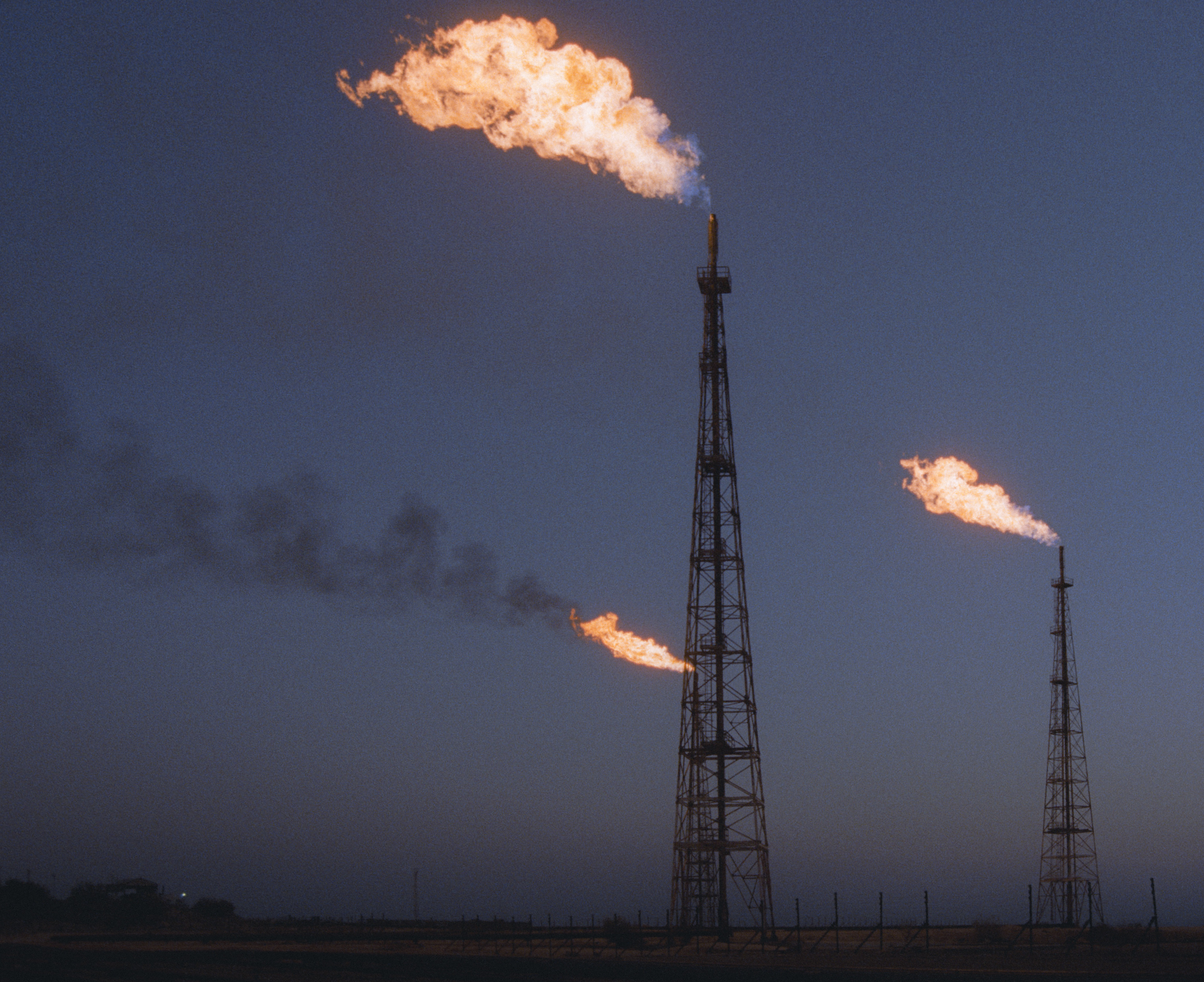
At the start of the conflict, Iran’s Revolutionary Guards threatened to close the Strait of Hormuz, severely disrupting shipping through the narrow waterway. Around one fifth of globally traded oil passes through the strait, carried by tanker traffic.
According to the commentator Jiang Xueqin, who has been dubbed the ‘Chinese Nostradamus’ after several widely discussed predictions, the sharp disruption to trade could reduce Arab investment in American technology and artificial intelligence sectors, potentially weakening the US economy.
Energy markets have already reacted to the near-halt in shipping through the strait. Oil prices have surged above $100 per barrel, a development likely to push up fuel costs. Higher petrol and diesel prices would in turn affect transport and logistics, driving up costs across sectors ranging from food to consumer goods.
According to Jiang, this is the goal of Iranian hardliners: to strain the global economy – built on the dollar as the world’s reserve currency – and push it to the brink of collapse. The hard line appears to have prevailed, suggesting the pressure will continue.