
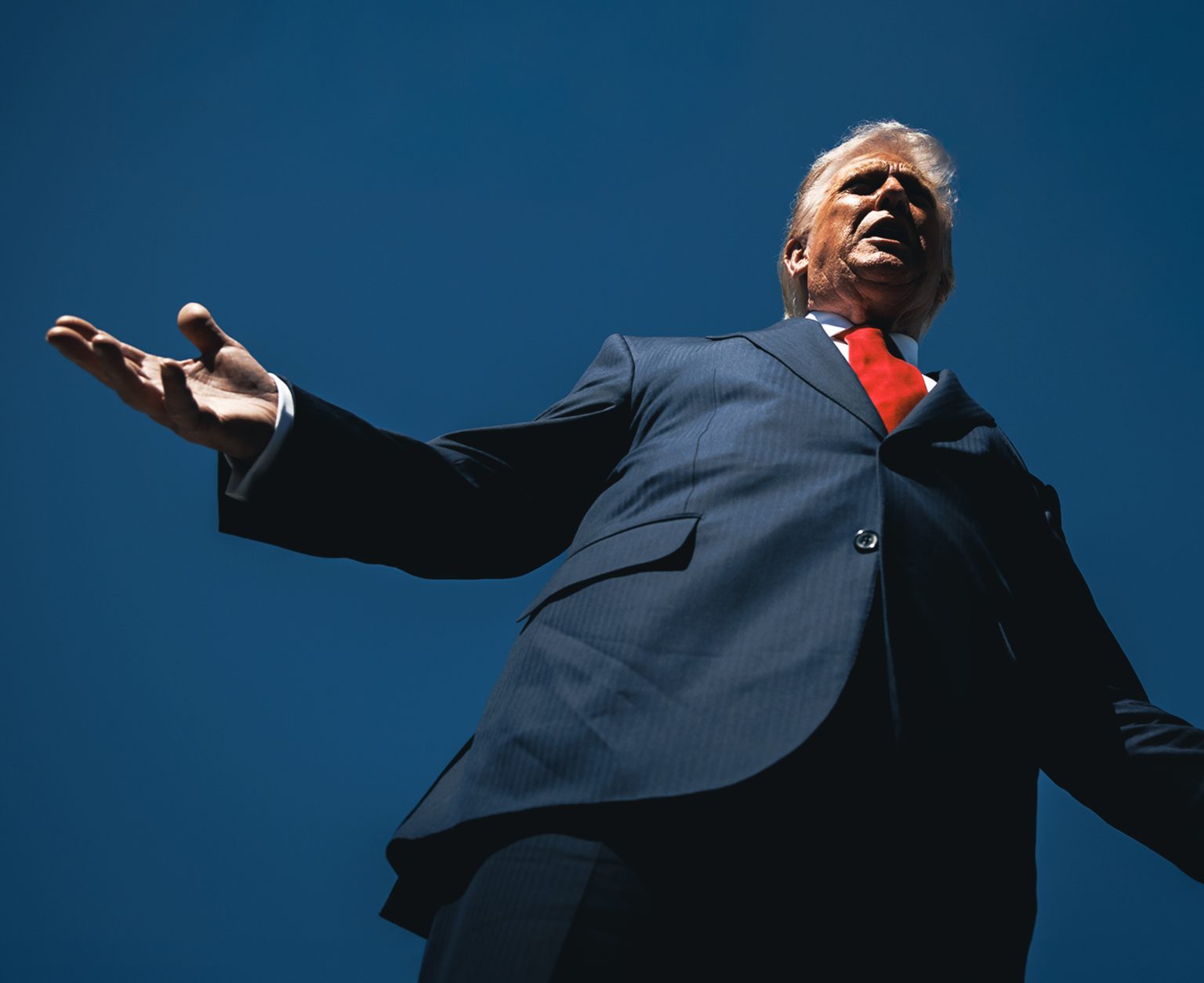
Donald Trump said at a press conference on Monday that the United States had caused serious damage to the Iranian military and predicted the war would end much sooner than the four weeks he had originally suggested.
However, he did not define what victory would look like and gave no indication of any specific plans by the US administration.
Israel says the goal of the war is to overthrow Iran’s clerical regime. US officials speak instead about destroying Iran’s missile capabilities and nuclear programme. Trump has also said the war can only end with an obedient Iranian government.
Trump said he was ‘disappointed’ by Iran’s decision to elect Mojtaba Khamenei, the son of the slain Ayatollah Ali Khamenei, as the country’s new supreme leader. However, he refused to suggest that the United States was considering his physical elimination.
Military successes
According to the Iranian ambassador to the UN, at least 1,332 Iranian civilians have been killed and thousands more wounded since the end of February, when the United States and Israel began attacking Iran.
Trump highlighted the destruction of more than 50 Iranian warships and the decimation of Iran’s air force and air defence. ‘They have no leadership. Everything has been destroyed,’ he said.
When reporters asked if the war would end this week, Trump replied ‘no’, but added ‘very soon’.
Asked to explain the difference between his prediction of a quick end to the war and recent comments by Defence Secretary Pete Hegseth that the war is just beginning, Trump said both could be true.
‘This is the beginning of building a new country,’ Trump said. He pledged that the United States would not become involved in another long-term conflict in the Middle East.
Tensions over oil are escalating
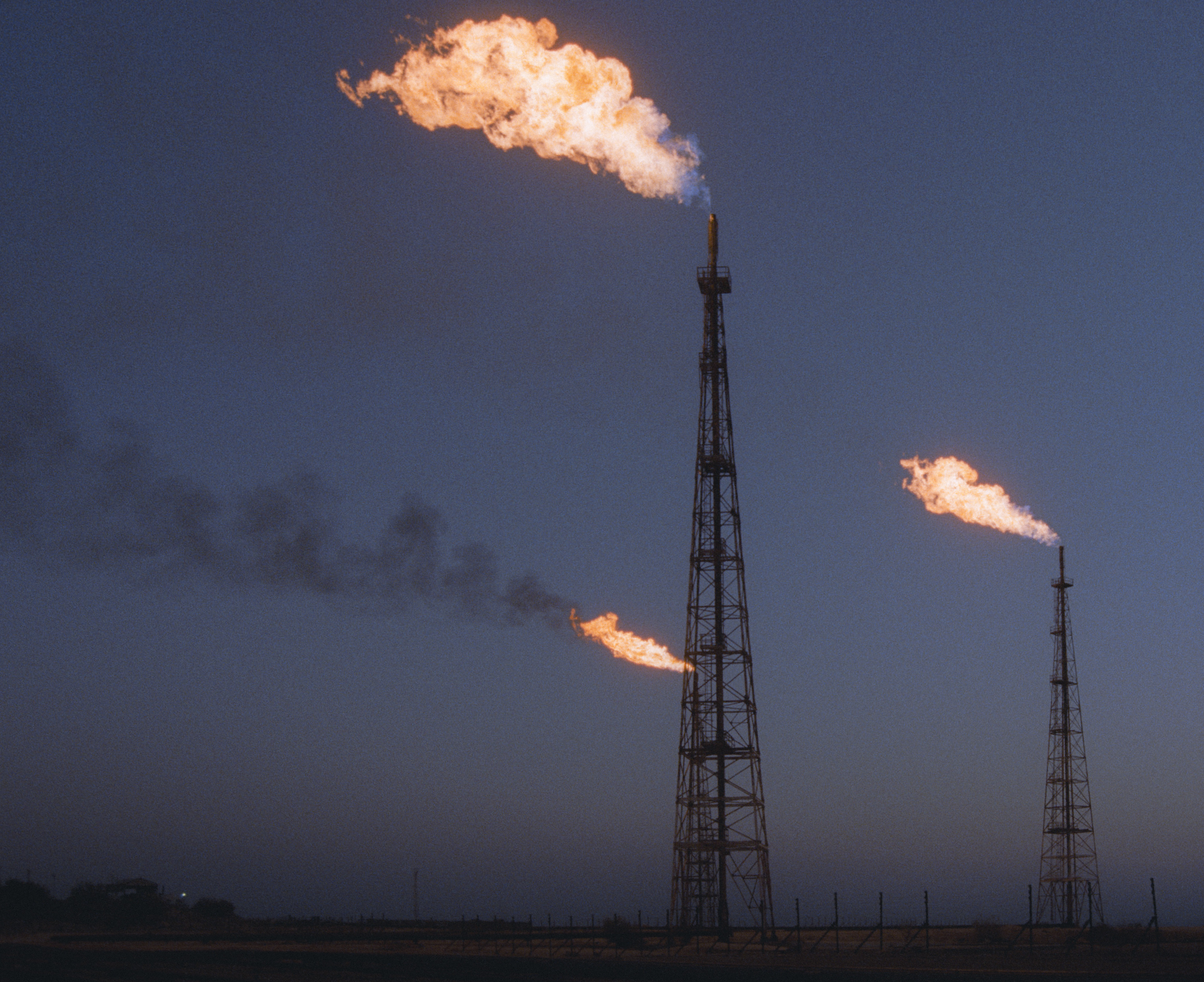
Trump warned that US attacks could increase significantly if Iran tried to block tanker traffic through the Strait of Hormuz, through which one-fifth of the world’s oil supplies pass.
‘We will hit them so hard that they, and anyone else who helps them, will never be able to rebuild that part of the world,’ Trump said.
Iran’s Revolutionary Guard said it would not allow any oil to leave the region if attacks by the United States and Israel continued. ‘We are the ones who will determine the end of the war,’ state media quoted a spokesman as saying.
In a later post on Truth Social, Trump repeated his warning. ‘If Iran does anything to stop the flow of oil in the Strait of Hormuz, the United States will hit it TWENTY TIMES HARDER than ever before,’ he said.
Phone call with Putin
The war has closed the Strait of Hormuz and tankers have been unable to sail for more than a week. Producers in Persian Gulf countries have suspended production as their storage facilities fill up.
The appointment of Mojtaba Khamenei on Monday appeared to dash hopes for a quick end to the war, sending oil prices soaring and stock markets plunging. Markets later recovered after Trump predicted a quick end to the war and reports emerged of a possible easing of sanctions on the Russian energy sector.
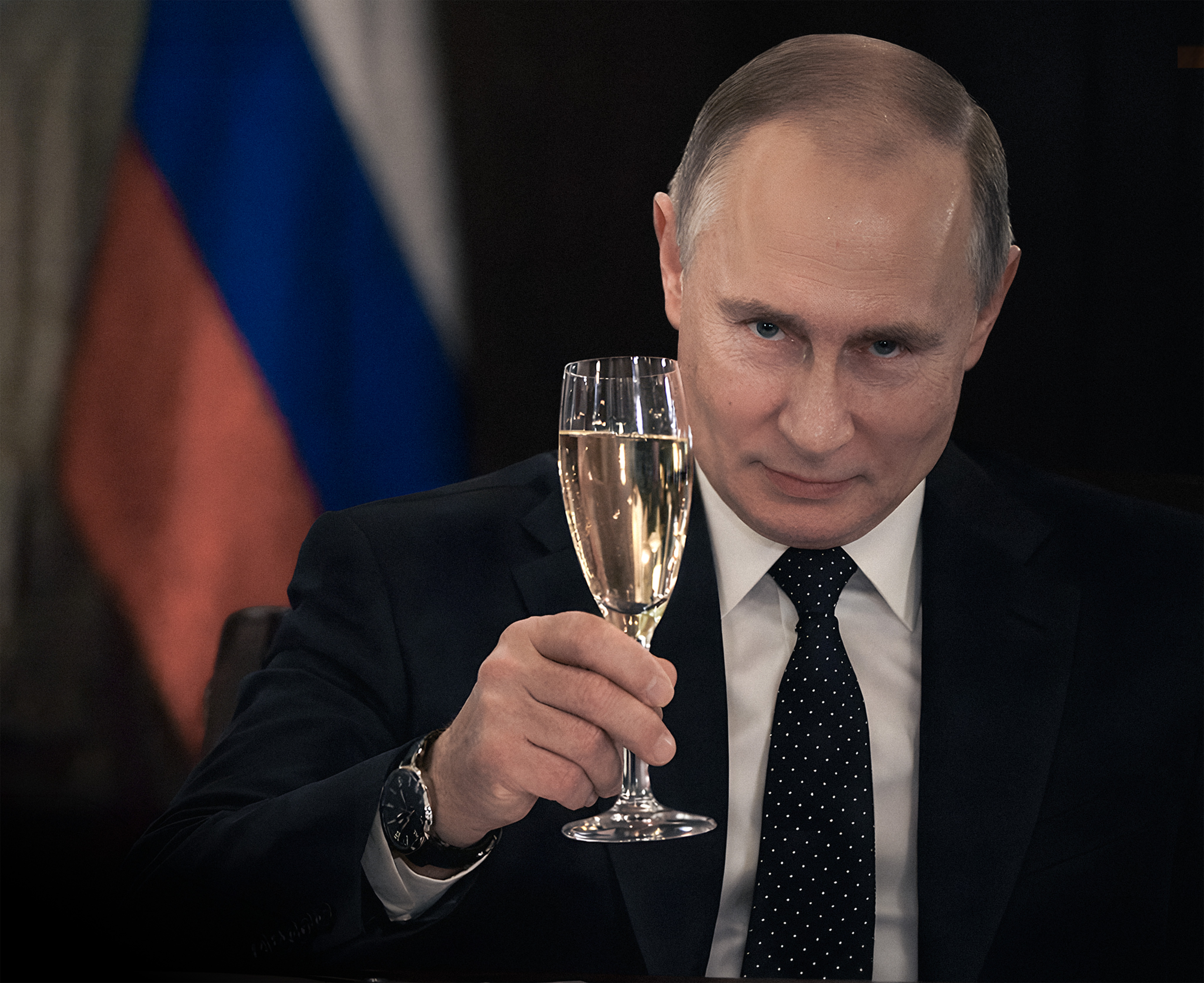
On Monday, the US president spoke with his Russian counterpart Vladimir Putin, who, according to Trump, was very ‘impressed with what the United States has done in Iran’.
‘It’s an operation that many other people would not have done,’ Trump said. ‘It was a military success that people have never seen before.’
After the call with Putin, Trump said the United States would lift secondary oil sanctions against ‘certain countries’ to ease the shortage.
The price of petrol has particular political significance in the United States, where voters cite rising costs as a major concern ahead of the November congressional elections, when Trump’s Republicans will seek to maintain control of Congress.
A Reuters/Ipsos poll released on Monday found that 67 per cent of Americans expect petrol prices to rise in the coming months, and only 29 per cent approve of the war.
(reuters, est)