
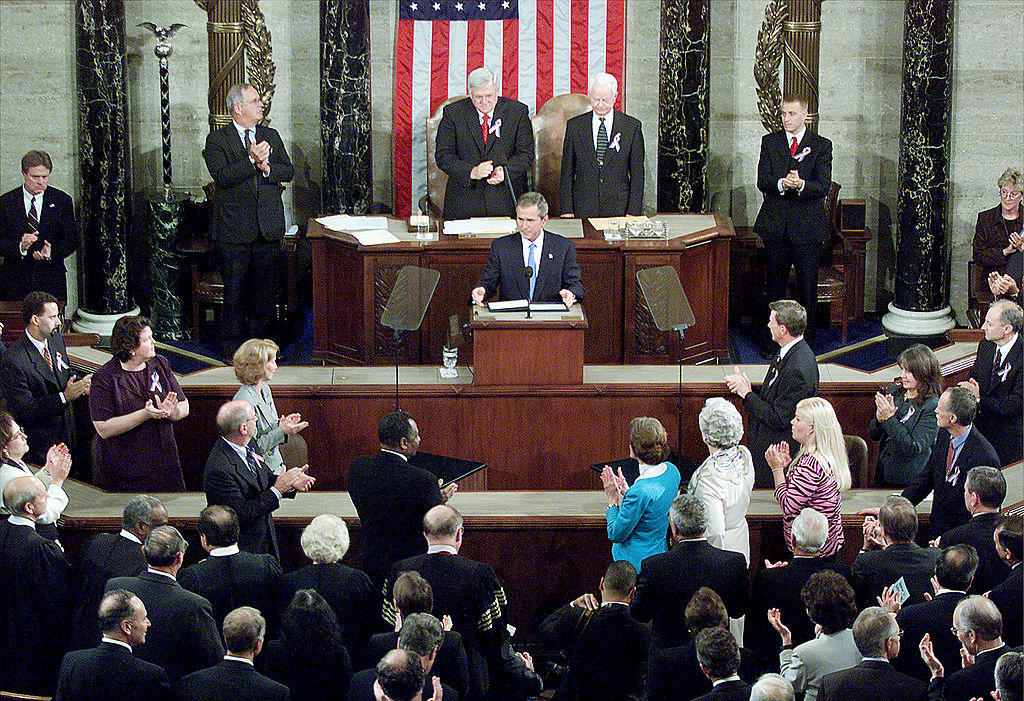
On September 20, 2001, US President George W. Bush told Congress that ‘on September 11, enemies of freedom committed an act of war’ against the United States. ‘Who attacked our country? All the evidence we have gathered points to a loosely connected group of terrorist organisations known as al-Qaeda,’ added the 43rd occupant of the White House, saying that al-Qaeda’s leadership had considerable influence in Afghanistan and supported the Taliban regime there.
Bush said that if the Taliban did not hand over all al-Qaeda leaders to US authorities, the Taliban would suffer the same fate as al-Qaeda. ‘Our war on terrorism begins with al-Qaeda, but it does not end there. It will not end until every terrorist group with a global reach is found, stopped, and defeated,’ the then US president said, drawing another round of applause.
The Taliban did not rule out handing over al-Qaeda leader Osama bin Laden, but demanded evidence from Washington proving his involvement in the collapse of the World Trade Center, the so-called Twin Towers in New York, and part of the US Department of Defense headquarters, the Pentagon, in Virginia.
On September 18, the BBC reported comments by Pakistani foreign minister Niaz Naik. He claimed that in mid-July, senior US officials had outlined plans to invade Afghanistan, with the operation expected to begin in mid-October.
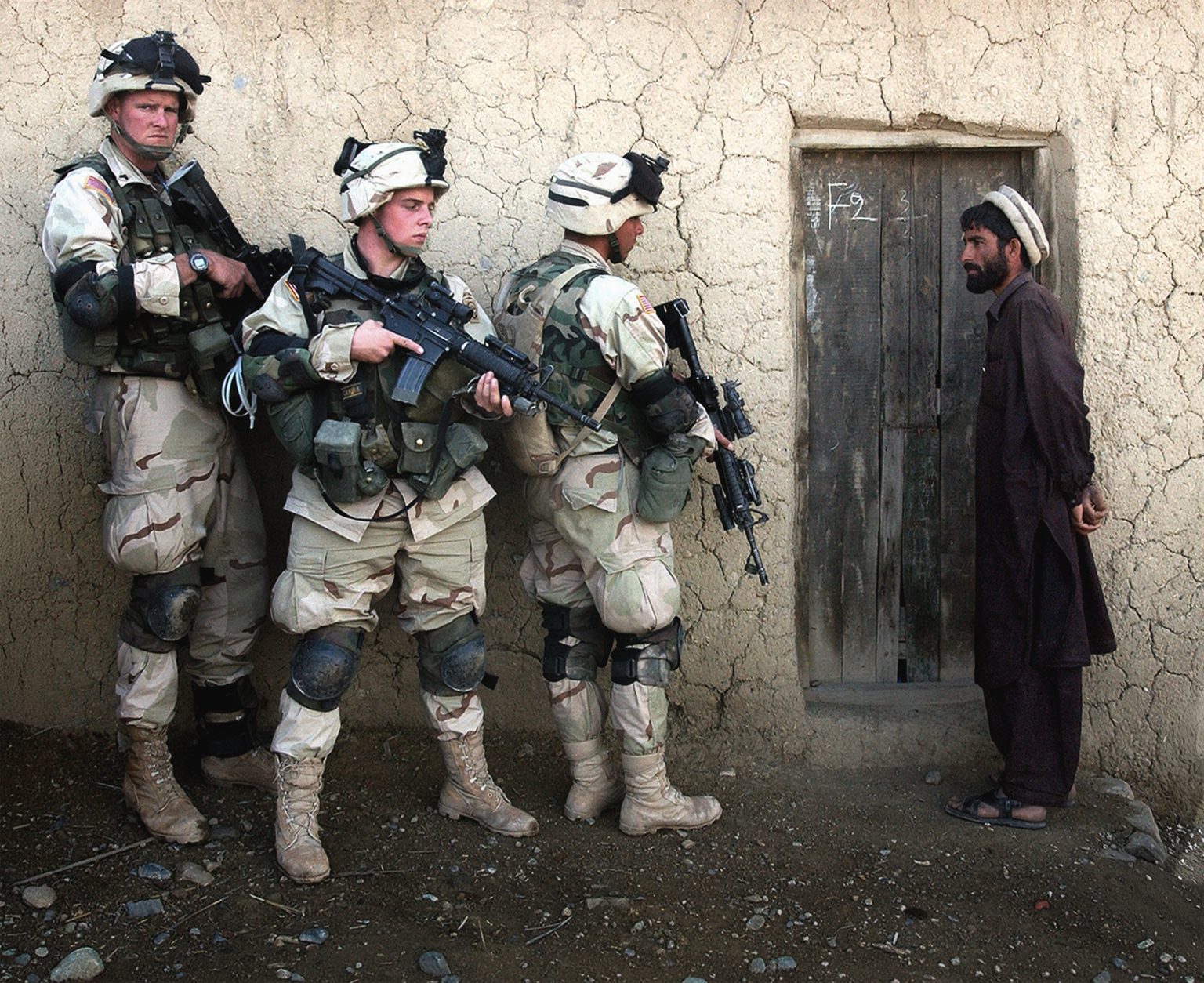
On October 7, the allied invasion of Afghanistan began with extensive air strikes on al-Qaeda training camps and the cities of Kabul, Jalalabad and Kandahar. Many locals still had vivid memories of the 10-year war linked to the Soviet invasion of the country in December 1979.
A week after the start of Operation Enduring Freedom, the Taliban urged the United States to stop the bombing and present evidence of bin Laden’s guilt. ‘There is no need to debate innocence or guilt. We know he is guilty,’ Bush responded. Bin Laden’s death was announced to the world by Bush’s successor, Barack Obama, on May 2, 2011, after the al-Qaeda leader was tracked down in Pakistan and killed by US Navy SEALs during a raid. His killing, like the invasion of Afghanistan itself, was not without criticism in the West.
The balance sheet
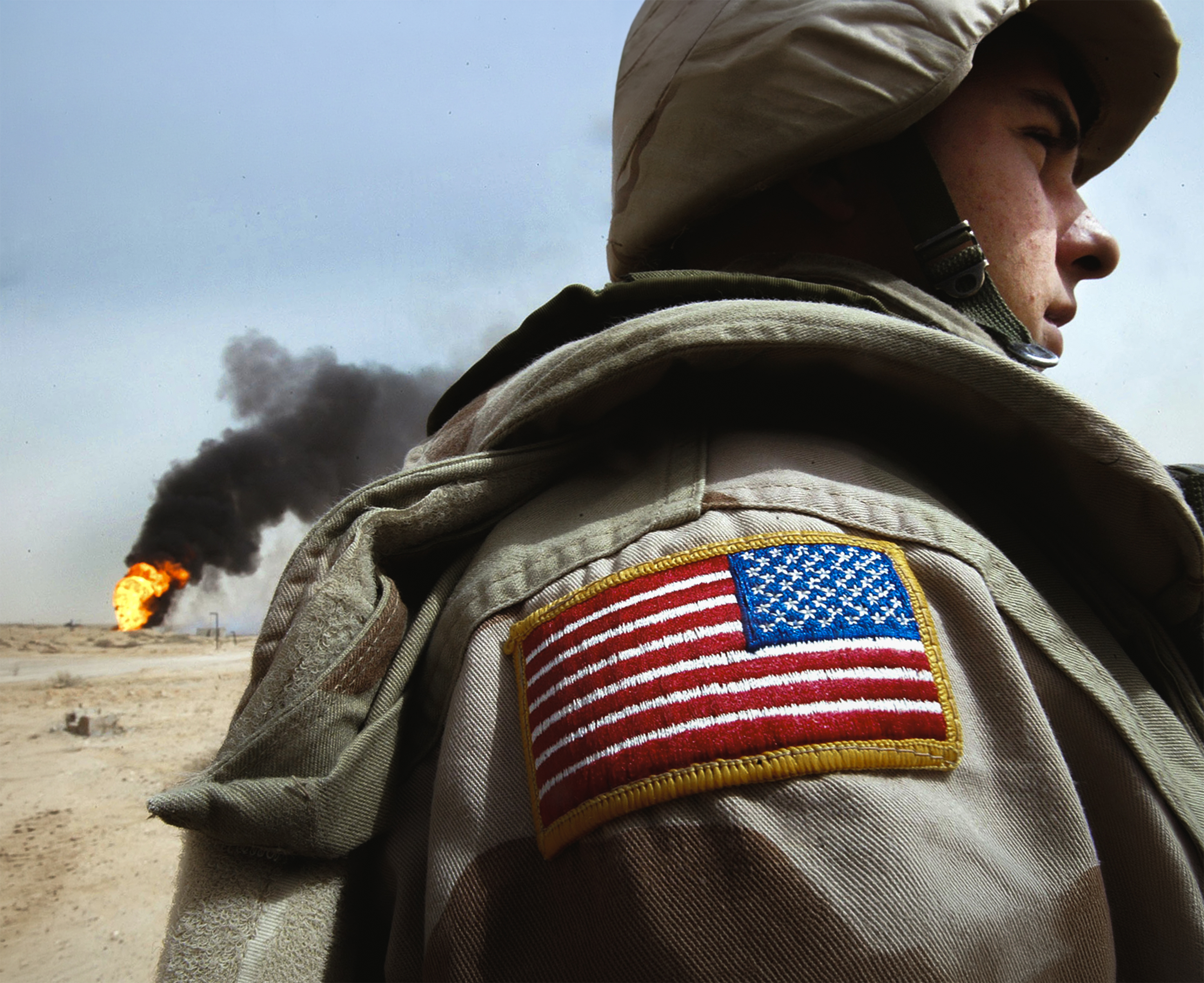
By December 2001, the Taliban had lost control of the country. In September 2014, NATO ended Operation Enduring Freedom and began Operation Resolute Support. Under the new mission, alliance troops were no longer to fight but to advise and train Afghans willing to participate in running the country without the Taliban. On February 29, 2020, President Donald Trump and Taliban representatives signed a peace agreement in Doha, Qatar, under which the United States committed to a full withdrawal from the country in 2021.
In May 2021, NATO countries led by the United States began withdrawing their forces. The last American soldiers, together with the ambassador, flew out on the night of August 30 to 31, two weeks after the Taliban took control of the capital, Kabul, without a fight. The development disrupted Joe Biden’s original plan to hold Kabul symbolically until at least September 11, 2021. The entire invasion and the financing of occupying forces cost Washington nearly two trillion euros and more than 2,300 American lives. In total, more than 64,000 soldiers and armed personnel on both sides of the conflict were killed, while civilian casualties exceeded 110,000.
The White House devoted considerable resources in Afghanistan to so-called nation-building and the creation of a stable and democratic state. Under American supervision, a civic consciousness slowly began to take shape that could, in the future, contribute to the emergence of Afghan patriotism above ethnic, political, religious and tribal divisions within the population.
However, the highly corrupt state administration was a major obstacle to building a modern nation and state. Many people perceived the Afghan state, with which they were expected to identify, as only a temporary phenomenon linked to the presence of foreign forces. At the same time, in attempting to build a nation and state, the Americans did not place sufficient emphasis on the need to take local political, social and cultural conditions into account, including the diverse linguistic landscape of Afghanistan.
The occupation administration, in cooperation with local representatives, sought to introduce Western models of democracy, state administration and security forces. These models, however, stood in sharp contrast to the traditional structure of Afghan society, shaped over centuries around tribal communities. This proved a serious and apparently insurmountable obstacle to the fulfilment of the American plan. In the end, all such efforts failed, as the Taliban regained control of the country.
A wasted opportunity
Back in May 2014, Barack Obama announced that he wanted to withdraw troops from the country. Although his plans did not come to fruition, experts and senior US military and political leaders understood that sooner or later troops would be withdrawn from Afghanistan. The United States spent more than €77 billion on creating and maintaining the Afghan National Security Forces, which were loyal to the West. It was hoped that after their departure, the Afghan government would remain in power and continue to favour the White House.
However, only a few months after the withdrawal of allied troops began, the Afghan government’s army collapsed. The Taliban seized not only cities that the Afghan army often surrendered without resistance but also large quantities of weapons and helicopters supplied by the Americans. Alongside retreats and desertions, members of the former government forces also frequently defected to the Taliban, which promised soldiers pay and immunity from prosecution.
The Afghan army had been built on the American model at Obama’s instigation. The aim was to create armed forces capable of maintaining the allied regime in the country even after the departure of invading forces. On August 13, 2021, the New York Times wrote sarcastically that, regardless of the resources and time invested, the Afghan army would cease to exist before the last American left the country. Two days later, the last army units did indeed cease to exist when the Taliban occupied Kabul.
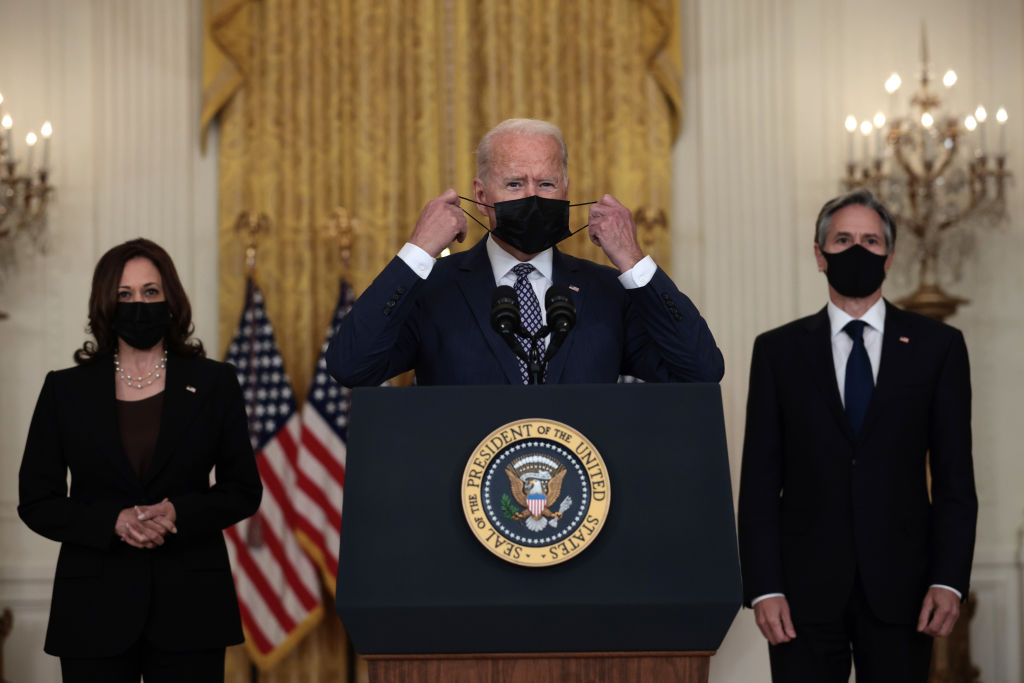
‘American soldiers should never have to fight and die in a war that Afghan forces themselves do not want to fight. We spent more than $3 trillion, trained 300,000 Afghan soldiers, and excellently equipped an army larger than some of our NATO allies. We gave them everything they needed. We paid their salaries, we paid for the maintenance of their air force, which the Taliban does not even have. It has no air force. We provided them with air support. We gave them a great opportunity to decide their own future. But what we can no longer provide them with is the will to fight for that future,’ said President Joe Biden the day after the capture of Kabul.
Jonathan Schroden, an expert at the CNA research institute who served as an adviser to the US Central Command, known as CENTCOM, and US-led international forces in Afghanistan, explained that many Afghans joined the army to earn money rather than because they truly wanted to fight the Taliban if necessary. The Taliban, although far worse equipped and armed, far surpassed the government army in determination and motivation.
Instructors responsible for training the Afghan army warned as early as 2019 that Afghans being prepared to defend their country against the Taliban were incompetent and unmotivated. Although no one in Washington expected miracles, the speed with which the Afghan army, widely seen as a black hole for American money, collapsed shocked even many sceptics. The United States failed in its effort to build the Afghan army. The campaign in Afghanistan therefore ended in defeat.