
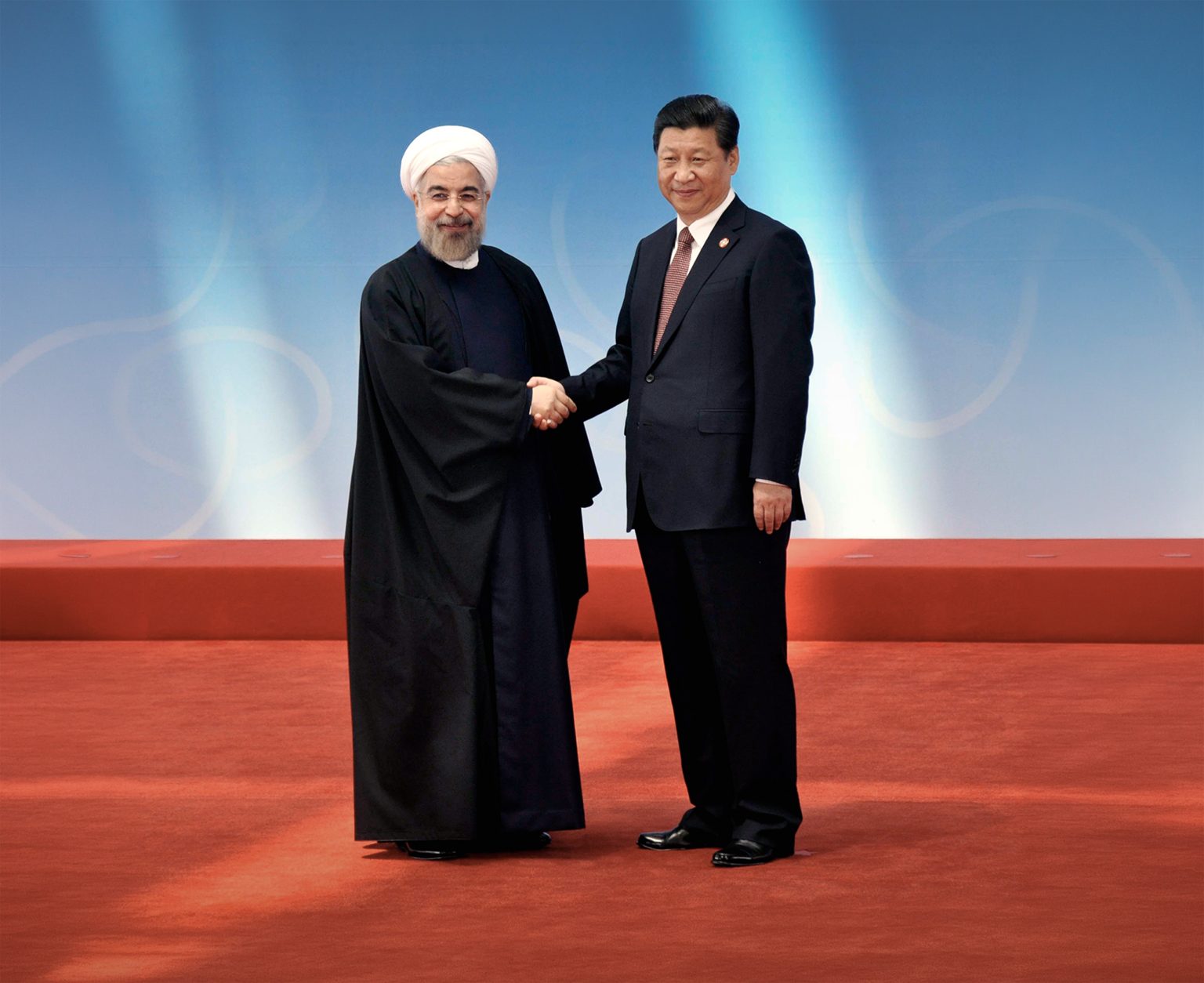
Tehran/Beijing. While Washington debates military strikes, alliance contributions and the protection of the Strait of Hormuz, China has long since reorganised its energy supply. The shift is not a spontaneous reaction to the war with Iran, but the result of structures created well before the conflict. The crisis is therefore colliding with a system that does not depend on the central shipping route remaining open.
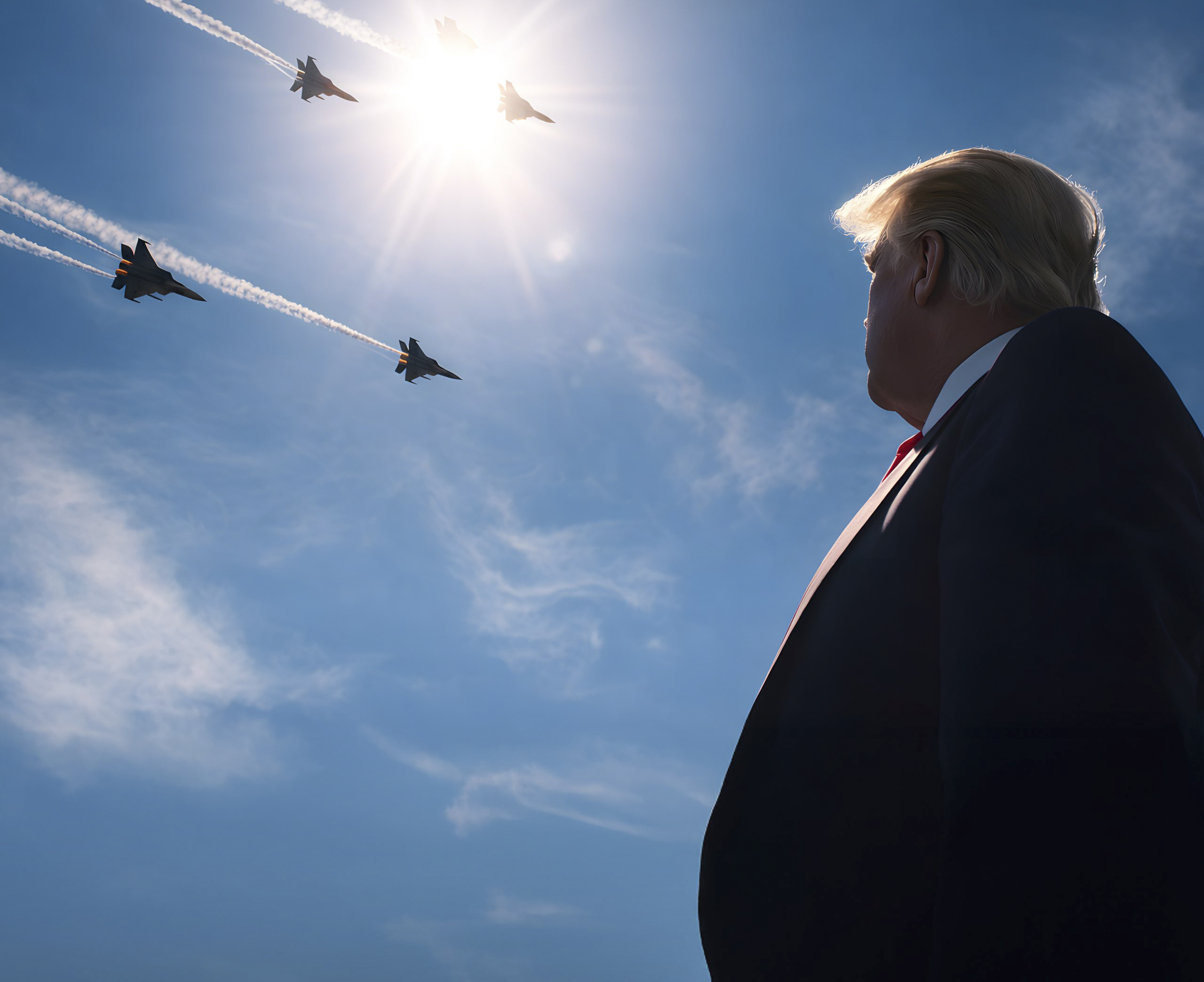
At the heart of the strategy lies a geographical shift in export flows. The Iranian port of Jask, located east of the Strait of Hormuz, has developed into a strategic hub. From there, crude oil is loaded directly into the Gulf of Oman. A key element is the pipeline linking the oil centre of Goreh with the coast. It allows large volumes of oil to bypass the narrow strait before reaching tankers. In this way, the most critical bottleneck in global oil trade is technically circumvented.
The infrastructure forms part of a longer-term partnership between China and Iran. It was not built in response to the present escalation, but as part of strategic planning over recent years. Its purpose is now becoming clear. While traffic through the Strait of Hormuz is declining and many international shipping companies avoid the region, part of Iran’s exports remains stable. China is therefore relying not on improvised solutions but on transport routes already put in place.
The result is a shift in risk. A portion of the trade is removed from a militarily exposed zone and secured through alternative routes. At the same time, dependence on a single chokepoint is reduced. The change alters the strategic balance in the conflict because it limits the impact of blockades and military pressure.
Hormuz turns into a conflict zone
Despite such bypass strategies, the Strait of Hormuz remains central – though under entirely changed conditions. The waterway is not simply blocked but has become an active theatre of conflict. Iranian forces and allied militias repeatedly interfere with shipping. The actors involved include groups linked to Tehran that have already drawn attention through attacks on commercial vessels in other regions, such as the Red Sea. Methods range from drone strikes and missile attacks to targeted interference with navigation.
The result is selective insecurity. Ships are not attacked at random but along political lines. Links to certain states or economic networks play a role in determining whether a tanker is regarded as a target. In such an environment, the logic of trade begins to change. Neutrality no longer provides sufficient protection. What matters is perceived alignment.
This is where the second layer of Chinese-Iranian cooperation becomes relevant. Indications from Tehran suggest that vessels connected to China may receive preferential treatment. At the same time, passage through the strait is reportedly tied to conditions. One possibility under discussion is the settlement of oil transactions in Chinese yuan. The transit through the Strait of Hormuz is therefore not only controlled from a security perspective but also used as an economic instrument.
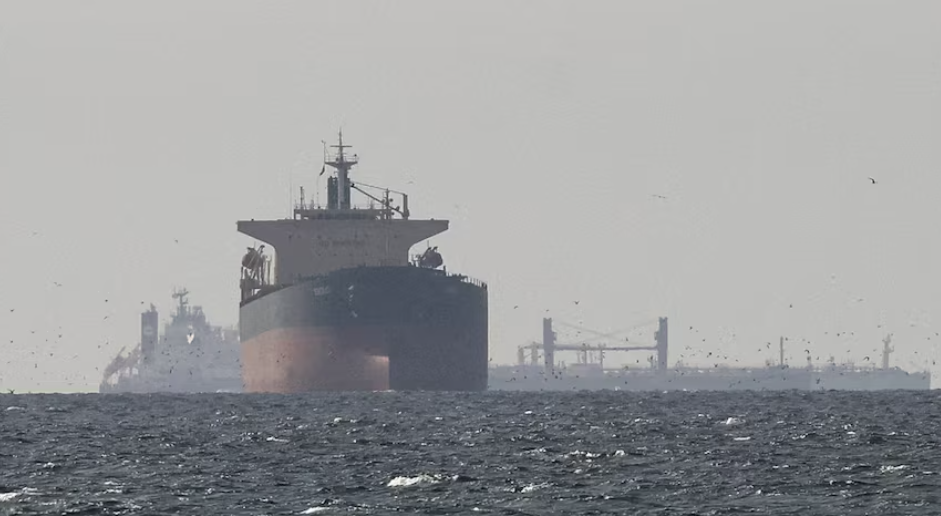
The combination is already having visible effects on shipping. Some tankers deliberately mark themselves in their transponder signals as ‘China-linked’. The practice is technically simple but effective in an environment where attacks are selective. It signals affiliation and can reduce the risk of becoming a target of hostile activity. At the same time, many large shipping companies are withdrawing entirely from the region, concentrating the remaining traffic among those actors able to operate within the system.
A prepared system in an ongoing conflict
The current situation is the result of several interacting layers. Part of the oil is exported via Jask and the pipeline, bypassing the Strait of Hormuz altogether. Another portion still passes through the waterway, but under politically managed conditions and in close coordination with Tehran. The arrangement is reinforced by strategic reserves and alternative supply sources that China has built up over recent years.
The system is no accident. It rests on long-term cooperation formalised in a comprehensive agreement between China and Iran in 2021. Infrastructure projects, energy partnerships and trade mechanisms were deliberately designed to function even under unstable conditions.
The effect of that preparation is now becoming visible. While the military situation continues to escalate and key trade routes come under pressure, alternative options are already in place. Decisions do not need to be improvised because the essential elements exist. Transport routes, payment mechanisms and political arrangements reinforce one another and stabilise trade.
For Iran, the system ensures continued revenue from oil despite war and sanctions. For China, it secures access to energy in a tense global market. What stands out is less a single measure than the structure behind it: several parallel routes operating independently while reinforcing one another. The conflict does not interrupt those structures – it demonstrates that they were designed precisely for moments like this.