
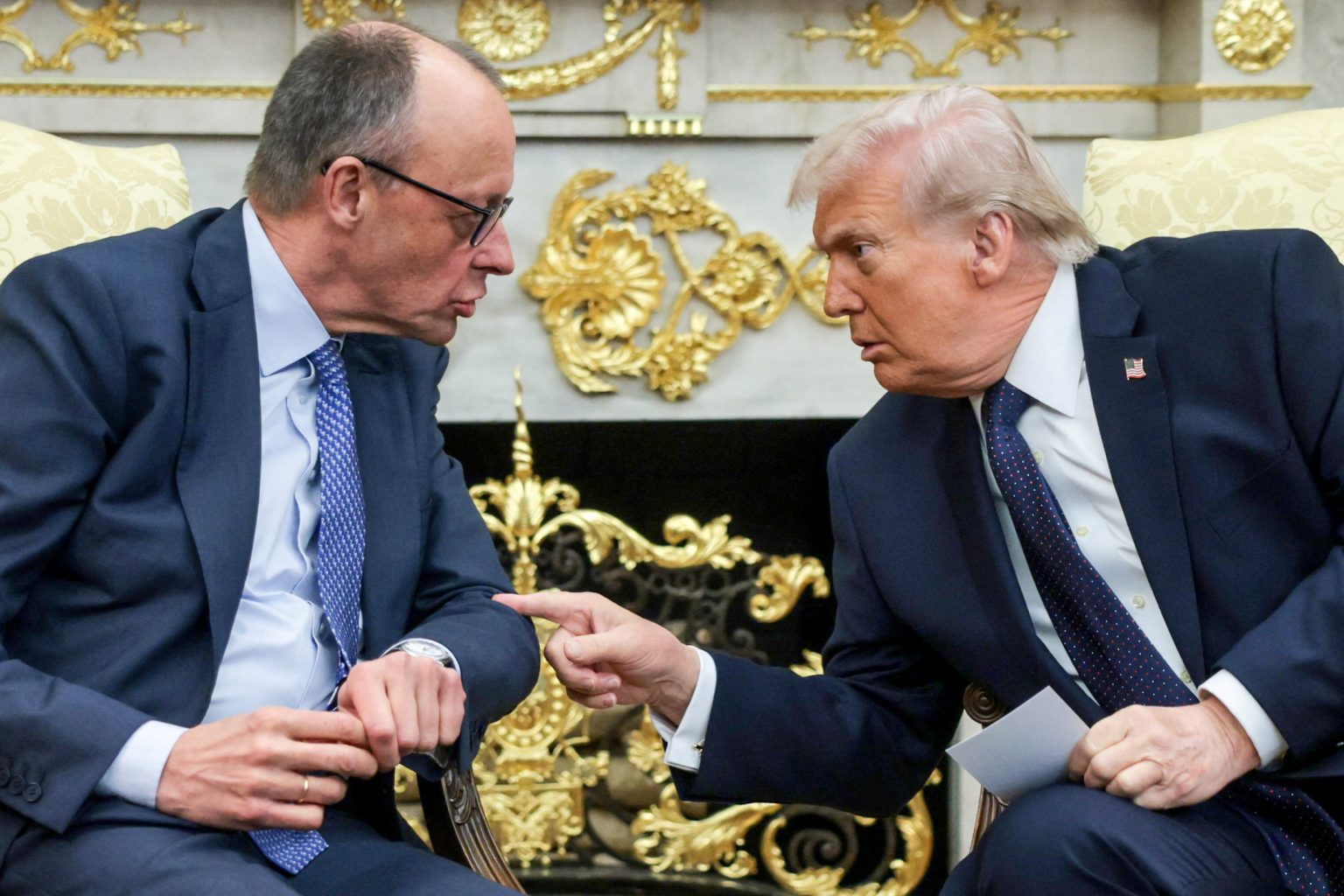
When US President Donald Trump called on allies to join a military operation against Iran to secure the Strait of Hormuz, he expected support. Instead, he met resistance.
German Chancellor Friedrich Merz, long regarded as a supporter of transatlantic cooperation, responded with unusual sharpness. Speaking to Members of the European Parliament in Germany, he said that although Iran must not threaten regional stability, the US–Israeli-led war lacked both a convincing rationale and a clear plan.
‘To this day, there is no convincing plan for how this operation could succeed. Washington has not consulted us and did not say European assistance was necessary,’ he said.
Germany has therefore rejected any military involvement, including participation in operations to protect shipping in the Strait of Hormuz.
Tensions between allies
German Defence Minister Boris Pistorius expressed the position in blunt terms: ‘This is not our war, we have not started it.’ French President Emmanuel Macron struck a similar tone: ‘We are not party to the conflict.’
The remarks reflect a broader stance among European governments, which are reluctant to be drawn into a conflict that appears to enjoy little public support across the continent.
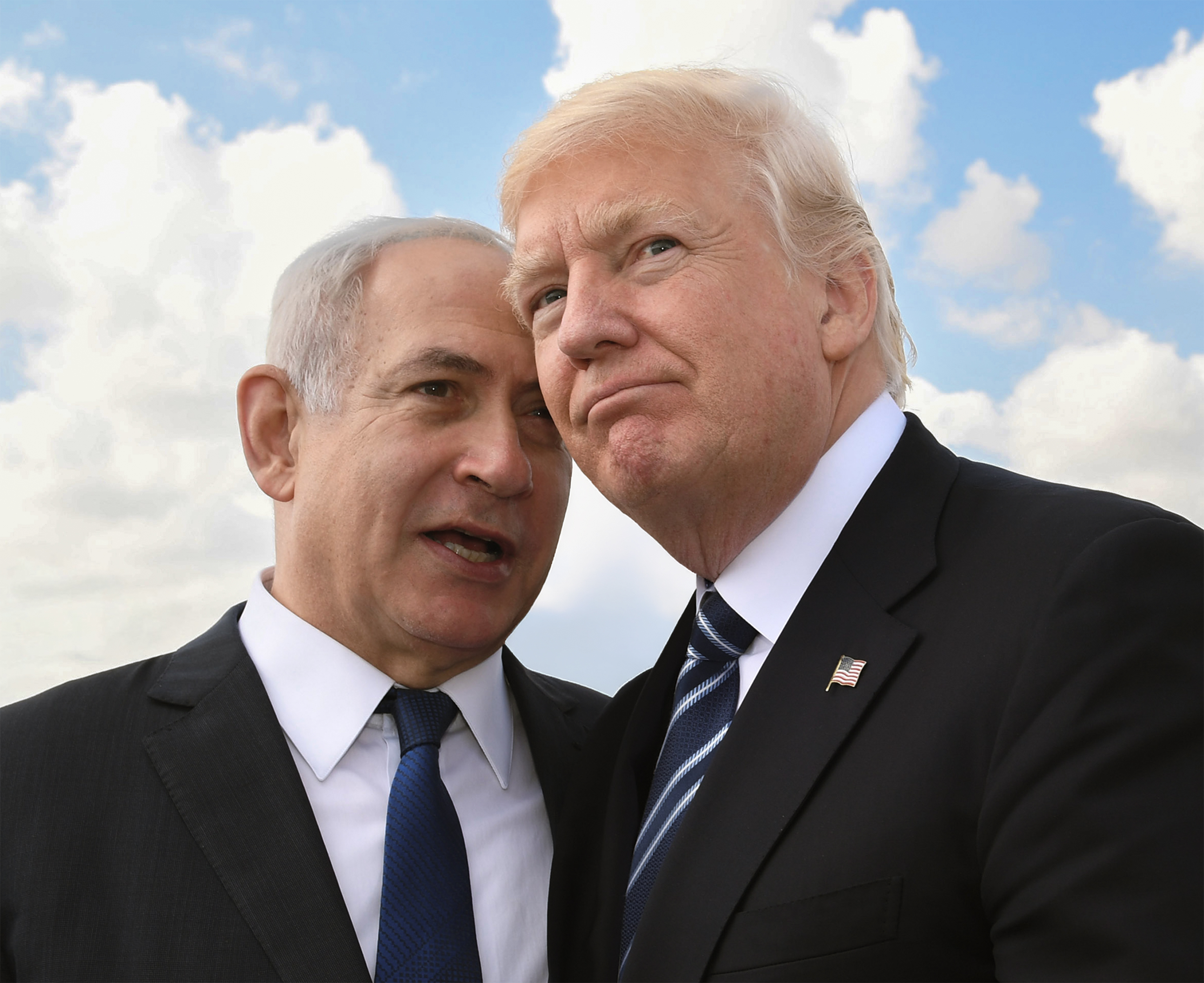
Washington’s decision to proceed without consulting European partners has provoked not only disapproval but open criticism. European officials say US war aims remain vague and may differ from those of Israel, particularly on the question of regime change in Iran.
Trump reacted with visible irritation, accusing allies of making a ‘very foolish mistake’ by refusing to join the operation. He directed particular criticism at British Prime Minister Keir Starmer, describing him as ‘no Winston Churchill’.
Both opposition and government politicians in Britain have defended Starmer and criticised the tone from the White House. ‘I’m Keir Starmer’s biggest critic, but the war of words coming from the White House is childish,’ said Conservative leader Kemi Badenoch.
‘I don’t like to see our Prime Minister be berated by foreign leaders,’ said Reform UK politician Robert Jenrick.
Public opinion opposes the war
European governments also have considerable public backing for their stance. In Britain, according to a YouGov poll, 49 per cent of respondents oppose attacks on Iran, while 28 per cent support them. In Germany, 58 per cent oppose the war and only a quarter support it.
Opposition is even stronger in Spain, where as many as 68 per cent of respondents reject the conflict.
Spanish Prime Minister Pedro Sánchez has described the attacks on Iran as ‘reckless and illegal’. At the same time, Madrid has rejected US pressure to allow the use of joint military bases. Trump has even threatened trade sanctions.
Spanish Deputy Prime Minister María Jesús Montero responded unequivocally: ‘We are certainly not going to be anybody’s vassals, we won’t tolerate any threats and we’ll defend our values.’
Trump as a ‘war president’?
Criticism of the US president is also coming from less expected quarters. Germany’s Alternative for Germany (AfD), which in the past sought good relations with Trump, now speaks of profound disappointment.
‘Donald Trump started out as a peace president – he will end up as a war president,’ declared its co-chair Tino Chrupalla.
Despite refusing military involvement, Europe is trying to deal with the consequences of the conflict in other ways. Britain is working with partners on plans to reopen the Strait of Hormuz. France, for its part, is preparing an initiative to protect shipping without US participation, in cooperation with European, Asian and Arab partners.
According to European Union foreign policy chief Kaja Kallas, the bloc has learned to react calmly to the unpredictability of the US president.
(reuters, mja)