
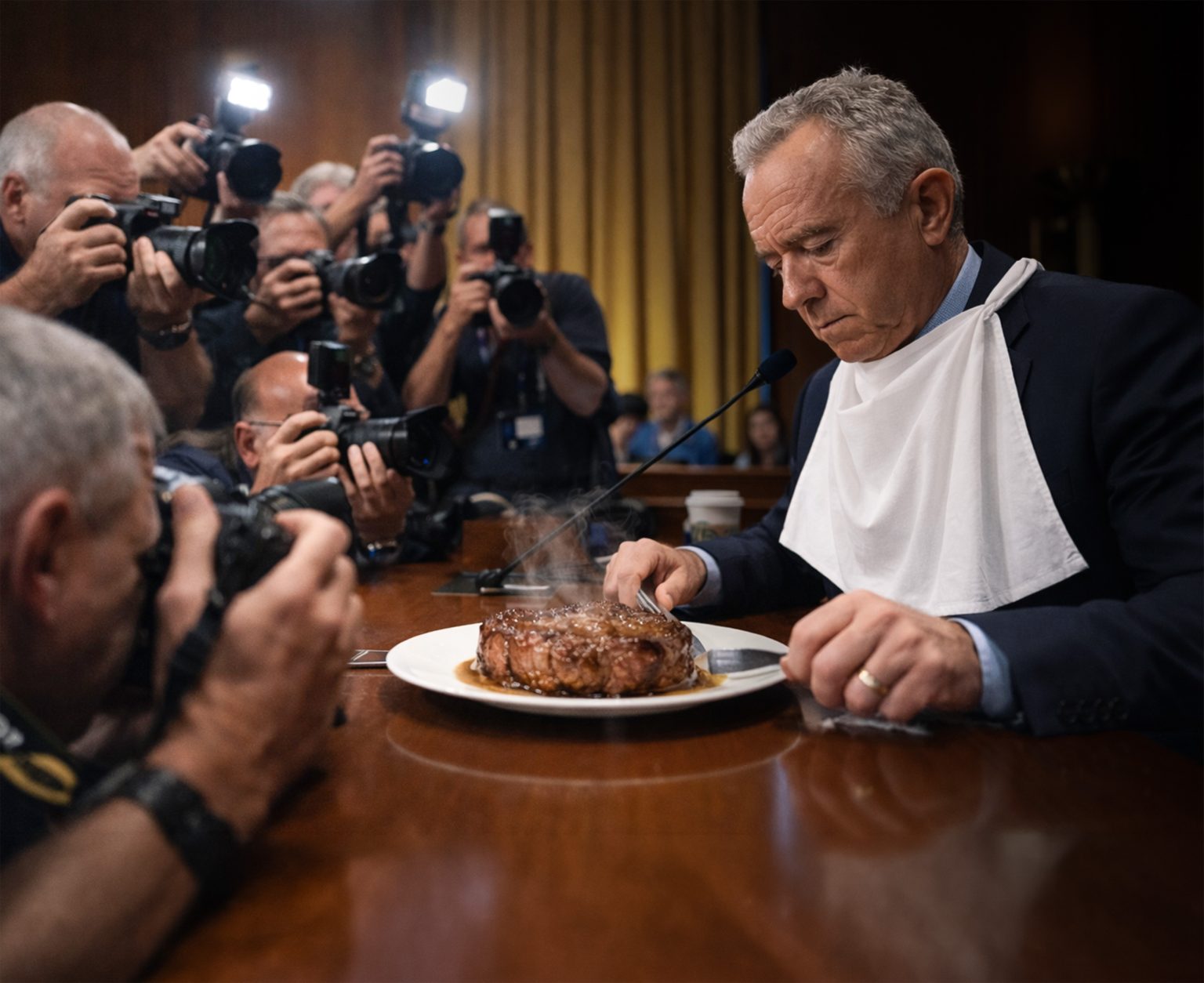
US Health Secretary Robert F. Kennedy Jr. has announced new dietary recommendations aimed at reducing carbohydrate intake and increasing protein and healthy fats, alongside vegetables and fruit.
The guidelines are part of the Make America Healthy Again (MAHA) initiative, which aims to discourage ultra-processed and pre-prepared food and to emphasise whole foods, while placing less emphasis on concerns about saturated fat. It also notes that trans fats remain harmful to cardiovascular health.
Preference for an animal-based diet
Red meat is not dangerous. On the contrary, it is a source of many B vitamins and, if properly produced, key omega-3 fatty acids. While the old food pyramid placed strong emphasis on carbohydrates, particularly pasta and baked goods that are metabolised into glucose, the new approach associated with Kennedy shifts the focus towards protein from animal sources and healthy fats found in eggs, meat, fish, butter, cheese and full-fat dairy products.
Cereals and cereal products are no longer seen as a dietary staple.
The new recommendations place vegetables and fruit on an equal footing with meat, dairy products and fats. They also reject vegetable oils such as sunflower, soya and rapeseed oil, arguing that they can form harmful compounds when heated and may damage blood vessels. Cholesterol, in this view, serves primarily as a repair mechanism rather than a cause of such damage.
A diet high in sugar and refined carbohydrates is said to damage blood vessels and nerves, as well as the microbiome and cellular metabolism, contributing to inflammation and insulin resistance. This, in turn, is linked to a higher risk of diabetes, cancer and dementia.
Cancer, which depends on glucose for growth, is increasingly discussed as a metabolic disease. It is described as arising when damaged cells reprogramme themselves. To eliminate such cells, proponents of the approach recommend periods of fasting of up to 16 hours.
Debate over dietary science
The thesis that fats are harmful has long been challenged. A 2016 article in the British newspaper The Guardian revisited the debate, examining how alternative views, particularly those emphasising the role of sugar, were marginalised for decades.
An overview of these debates, as well as the influence of different actors within the medical profession, is provided in Nina Teicholz’s book The Big Fat Surprise. She describes the long-running dispute over dietary theories and how views on fat and sugar have shifted over time. The role of US nutritionist Ancel Keys, who was a key figure in promoting the view that dietary fat – rather than sugar – was the main driver of heart disease, continues to be reassessed.
Ironically, the Guardian is now giving space to critics of the new recommendations, which they say pose risks to health and the environment. For those focused on climate policy, the emphasis on meat and dairy products is unacceptable, as they argue for reducing or phasing out livestock farming because of methane emissions.
Kennedy presented the recommendations alongside Secretary of Agriculture Brooke Rollins. Both argue that dietary change could support farmers while improving public health and reducing chronic disease.

‘Americans have forgotten how to cook’
The guidelines for 2025 to 2030 emphasise food rather than pharmaceuticals as the foundation of health. A large share of US healthcare spending is linked to chronic conditions associated with diet and lifestyle.
Obesity remains a central concern. The administration has also backed pharmaceutical approaches, including wider access to weight-loss drugs such as Ozempic. At the same time, Kennedy has promoted dietary solutions, noting in an interview with USA Today’s ‘The Excerpt’ podcast that he personally lost weight through a temporary all-animal diet consisting of meat, eggs and dairy products.
The recommendations are intended not only to inform experts and the public, but also to influence school meals and military provision. Children under four are advised to avoid added sugar and artificial sweeteners. On alcohol, the guidance shifts from fixed quantities to a general recommendation to limit consumption.
Kennedy has also indicated that a formal definition of ultra-processed food will be developed. He has further encouraged families to cook at home, arguing that shared meals can strengthen relationships and improve mental well-being.
Dinner at the family table, he suggests, should be an opportunity to deepen relationships across generations. In his view, Americans have forgotten how to cook.
Hydepark is a space for free discussion. Published opinions do not have to conform to Statement's editorial line.