
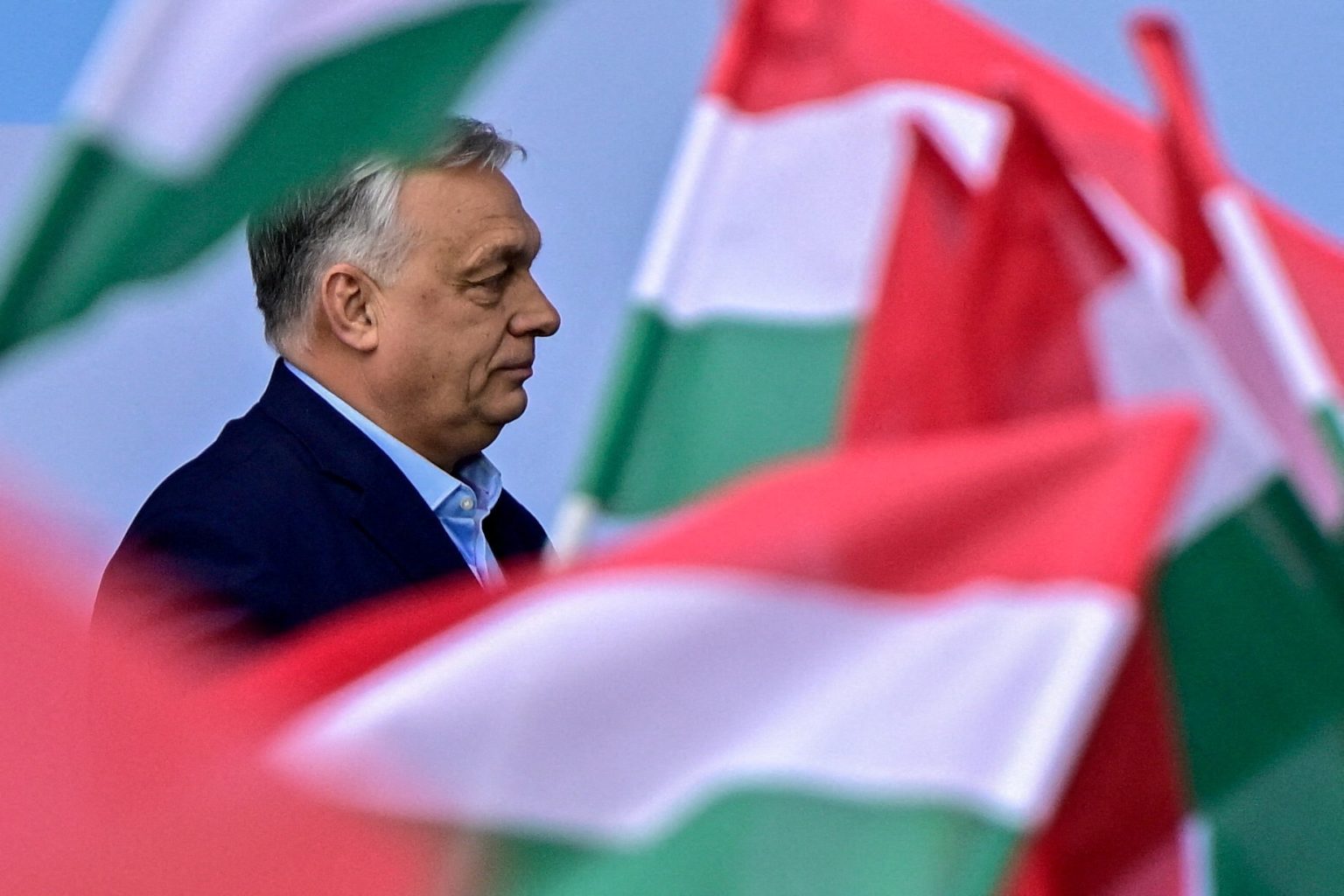
Hungary will gradually suspend gas supplies to Ukraine and store the volumes domestically until oil flows to Hungary again via the Druzhba pipeline, Prime Minister Viktor Orban said in a Facebook post on Wednesday.
‘The functioning of the Druzhba oil pipeline has been blocked by Ukraine for 30 days. We have been successfully defending ourselves against Ukrainian blackmail. Thanks to capped prices, Hungarians are paying the least at petrol stations in the whole of Europe. But we need to take a step forward,’ Orban said, adding that further measures were needed for Hungary to ‘break the oil blockade’ and secure energy supplies.
‘That is why we will gradually stop gas supplies from Hungary to Ukraine and store the remaining gas domestically. Until Ukraine delivers the oil, it will not receive gas from Hungary,’ he said. Hungary’s gas storage facilities needed to be filled to safeguard energy security, he added.
Orban also claimed that Ukraine had targeted the southern gas pipeline supplying Hungary and that the country must prepare accordingly.

Zelenskyy's threats
Oil has not flowed to Slovakia and Hungary since 27 January, triggering a dispute between the countries and Kyiv. Both governments have issued ultimatums, but without a significant response so far.
Budapest, together with Bratislava, subsequently blocked both an EU financial package for Ukraine and a further sanctions package, demanding that Kyiv resume transit.
Ukrainian President Volodymyr Zelenskyy had already reacted to Orban’s earlier announcement that he would block aid unless Ukraine acted transparently.
‘We hope that a certain person in the EU will not block the 90 billion and that Ukrainian soldiers will have weapons. (…) Otherwise, we will give that person’s contact details to our armed forces so they can speak to him in their own language,’ Ukrainian President Volodymyr Zelenskyy said on 5 March.
Shortly afterwards, Ukrainian and Hungarian media reported remarks attributed to Hryhoriy Omelchenko, a former member of Ukraine’s parliament. He was quoted as saying that Ukrainians knew where Orban lived and that the Hungarian prime minister should think about ‘his five children and six grandchildren’, adding that ‘there is no escaping karma’.
In response, Orban said on 6 March that Hungary would block the transit of key goods to Ukraine, in addition to opposing further financial support.
‘We have stopped oil exports to Ukraine. We are still maintaining electricity supplies for the time being, but we will also stop transit shipments through Hungary, which are important for Ukraine, unless we get approval to resume oil supplies,’ he said.
No independent confirmation of Druzhba damage
Meanwhile, Kyiv has offered Slovak Prime Minister Robert Fico dates for talks and accepted EU assistance, including technical support and funding. However, Zelenskyy told senior European officials in mid-March that the damaged infrastructure would not be repaired for another six weeks.
At the same time, no independent experts or officials appear to have inspected the reported damage. On 12 March, European Commission spokeswoman Anna-Kaisa Itkonen said the EU had proposed sending a mission to examine the Druzhba pipeline on Ukrainian territory. Brussels has stated that Ukraine has accepted EU inspectors, but it remains unclear whether an investigation has actually taken place yet; no findings have been released. Ukraine has announced its intention to seek EU aid for repairs to the plant.
Slovak Prime Minister Robert Fico noted on 20 March that no inspection had yet taken place.
(max, sak)