
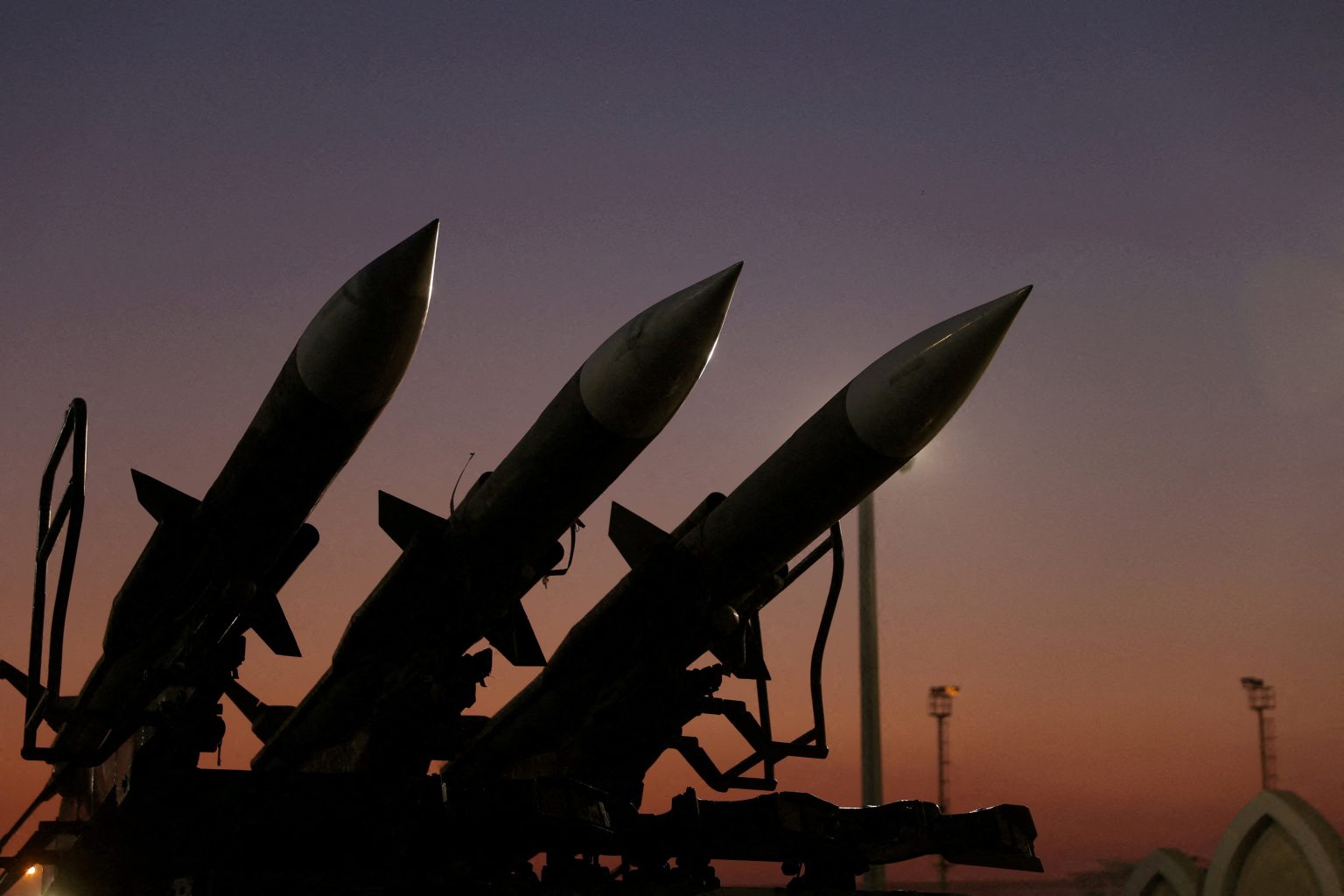
Iran’s joint military command, dominated by the hardline Islamic Revolutionary Guard Corps (IRGC), has rejected any prospect of negotiations, even as reports suggest Washington has sent Tehran a 15-point proposal for discussion.
‘Has the level of your infighting reached a state where you are negotiating with yourselves?’ Ebrahim Zolfaqari, spokesman for the Iranian Joint Military Command, said on state television. He added: ‘no one like us will make a deal with you. Not now. Never.’
Iranian officials have repeatedly argued that negotiations with Washington are impossible, pointing to what they describe as two US attacks during high-level talks in the past two years.
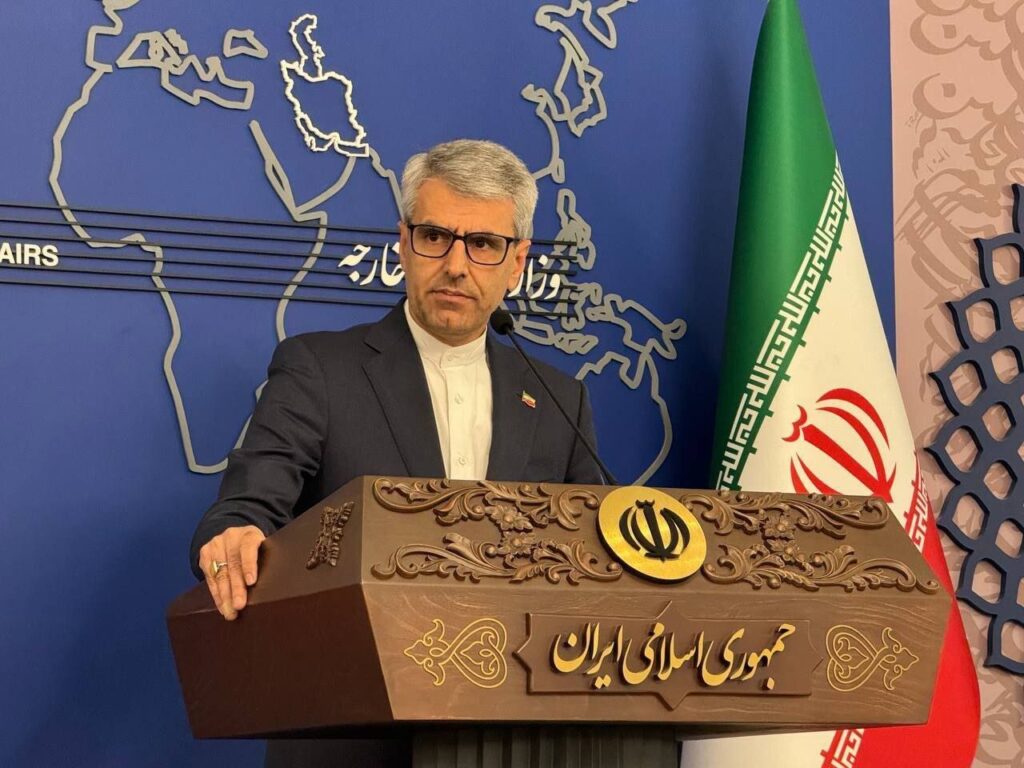
Foreign Ministry spokesman Esmaeil Baghaei told India Today that Iran has had a ‘very bad experience with US diplomacy’ and that no talks are under way, as the country’s armed forces remain focused on defence.
Renewed strikes
Nearly four weeks into a conflict that has already claimed thousands of lives and triggered a severe energy shock, Iran and Israel resumed air strikes on Wednesday.
The Israeli military said on Telegram that it had targeted infrastructure across Tehran, including two sites linked to naval cruise missile production.
Iran’s semi-official SNN news agency reported that residential areas had been hit, with rescue workers searching through rubble.
Kuwait and Saudi Arabia said they had intercepted new drone attacks, without specifying their origin. According to Kuwait’s Civil Aviation Authority, one drone struck a fuel tank at Kuwait International Airport, causing a fire but no casualties.
Iranian state media said the Revolutionary Guards had launched a fresh wave of strikes against targets in Israel, including Tel Aviv and Kiryat Shmona, as well as US bases in Kuwait, Jordan and Bahrain.
US President Donald Trump told reporters at the White House that the US was ‘negotiating’ with the ‘right people’ in Iran to end the war and claimed Tehran was keen to reach a deal.
Markets reacted cautiously to reports that Washington is seeking a month-long ceasefire and has sent a detailed proposal to Tehran, raising hopes of a partial resumption of oil exports from the Gulf. Global equities rose, while oil prices eased.

Details of proposed deal
The New York Times reported that the US had submitted a 15-point plan aimed at ending the conflict. Israel’s Channel 12, citing three sources, said Washington is pushing for a month-long ceasefire to allow negotiations on the proposal.
A source familiar with the matter confirmed that a plan had been delivered, but gave no further details.
Israeli media reported that the proposal includes dismantling Iran’s nuclear programme, ending support for proxy groups such as Hezbollah and reopening the Strait of Hormuz.
The current phase of the war began on 28 February, when the US and Israel launched strikes on Iran, citing insufficient progress in negotiations over Tehran’s nuclear activities. Oman, which has acted as a mediator, had previously said that talks were making significant headway.
Since then, Iran has targeted countries hosting US military bases and energy infrastructure in the Gulf, while effectively restricting access through the Strait of Hormuz, a critical artery for global energy supplies.
According to Reuters, Iran has informed the UN Security Council and the International Maritime Organization that ‘hostile vessels’ may pass through the strait only with prior arrangement with Iranian authorities.
The disruption to shipping through the waterway, which normally carries about a fifth of global oil and liquefied natural gas, has driven sharp increases in fuel prices and raised fears of broader economic fallout.
Asia is particularly exposed, accounting for more than 80 per cent of oil transported through the strait. Governments across the region have begun introducing emergency measures reminiscent of those used during the Covid pandemic, including temporary closures of schools and public institutions.
The International Energy Agency (IEA) has agreed to release around 400 million barrels of oil from strategic reserves. Japan’s Prime Minister Sanae Takaichi has also called for further releases in talks with IEA chief Fatih Birol.
Pakistan offers mediation
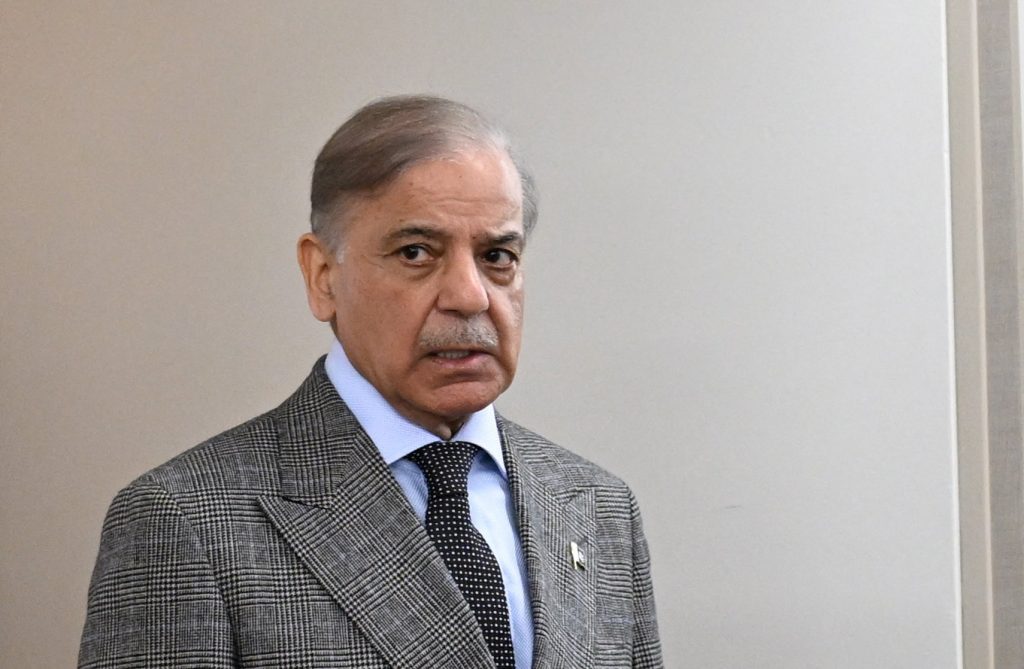
Pakistan’s Prime Minister Shehbaz Sharif said he was willing to host talks between the US and Iran, a day after Trump said discussions had been ‘productive’ and stepped back from earlier threats to strike Iranian energy infrastructure.
Islamabad maintains long-standing ties with Tehran while also seeking closer relations with Washington.
Despite renewed diplomatic signals, the Pentagon is preparing to deploy additional troops to the region. According to Reuters, thousands of soldiers from the US Army’s 82nd Airborne Division are expected to be sent to the Middle East, adding to an estimated 50,000 US personnel already stationed there.
The move would further expand the US military presence in the region, deepening concerns about a prolonged conflict.
(reuters, im)