
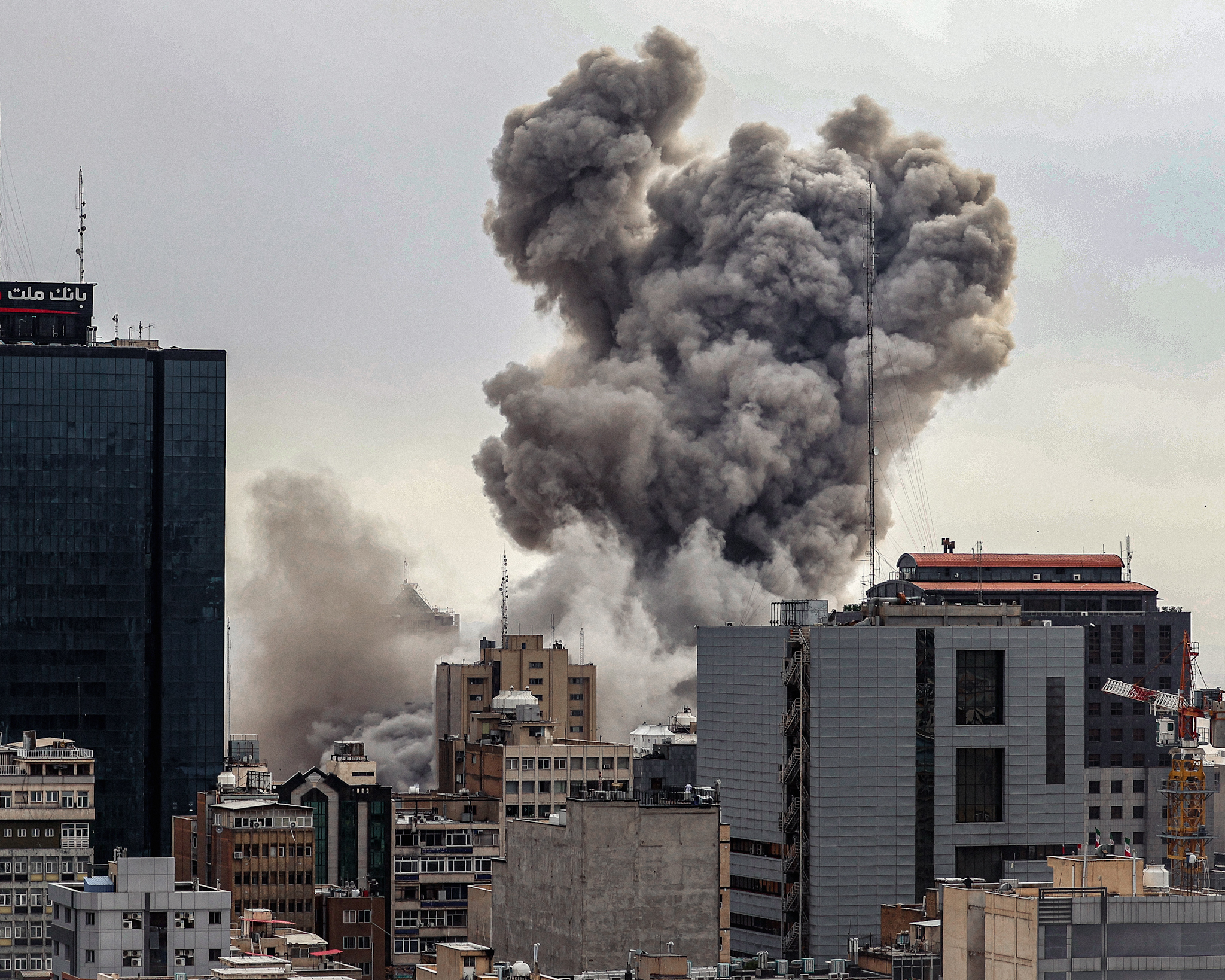
In the first two weeks of joint operations against Iran, Israel and the US are estimated to have used more than 11,000 munitions worth roughly $26 billion. At that pace, both could face shortages of key ammunition within weeks, according to the Royal United Services Institute (RUSI).
In a report published on Tuesday, the London-based think tank warned that US forces could be ‘a month or less’ away from exhausting stocks of long-range ATACMS ballistic missiles and THAAD air-defence interceptors used to protect Israel.
Israel faces similar constraints. It risks depleting its stock of Arrow 2 and Arrow 3 interceptors, designed to engage targets within and beyond the upper atmosphere, as the conflict continues at its current intensity.
RUSI is among analysts warning that current production capacity is insufficient. ‘It is likely to take at least five years to replenish at least 500 Tomahawk cruise missiles,’ the report notes.
Each interceptor expended in the current conflict reduces the US ability to deter elsewhere, particularly in relation to Taiwan and Ukraine. The need to rebuild inventories is also causing concern among European allies awaiting deliveries they have already ordered.
Pause until Easter
The United States has temporarily suspended strikes on Iranian energy infrastructure, with an initial five-day pause later extended by a further 10 days. President Donald Trump described the move as being ‘at the request of Iran’.
His Middle East envoy, Steve Witkoff, said negotiations were continuing, with Pakistan expected to play a mediating role. He added that Tehran was now seeking a ‘way out’, having previously resisted talks. Iranian officials, however, have signalled a different position, with reports suggesting a preference for talks with Vice-President JD Vance.
Witkoff also confirmed the existence of a draft 15-point ceasefire plan. Iranian officials told Reuters the proposal was ‘too one-sided and supporting only US and Israeli interests’. The plan reportedly includes demands to halt uranium enrichment, reduce enrichment levels to 3.67 per cent, curb the ballistic missile programme and end support for armed groups targeting Israel.
Iran has set out its own conditions for renewed talks, including compensation for damaged infrastructure and recognition of its sovereignty over the Strait of Hormuz. The waterway has been heavily restricted since the early phase of the conflict, with Iran allowing passage primarily for vessels from non-hostile states or those coordinating with its authorities.
Against this backdrop, reports have emerged that some Iranian hardliners have discussed the potential pursuit of nuclear weapons. Iran has long denied seeking a bomb, but voices within the establishment are increasingly questioning that stance.
Not the first warning
Concerns over dwindling stockpiles were raised even before the conflict began. US and Israeli officials had already pointed to the strain sustained operations would place on reserves. Reports cited by the Financial Times suggested that the equivalent of a year’s worth of ammunition could be expended within weeks.
At the same time, discussions within the Trump administration about possible next steps in the conflict are ongoing, including scenarios that could involve a broader military commitment. During the election campaign, the slogan ‘No Boots On The Ground’ featured prominently in Republican messaging.
Israel also faces mounting internal pressure. Chief of the General Staff Eyal Zamir has warned the cabinet that the Israel Defense Forces (IDF) could ‘collapse in on itself’ amid severe manpower shortages, and has reiterated proposals to expand conscription, including among ultra-Orthodox communities that have historically been exempt.
While President Trump has claimed that Iran’s stockpile of ballistic missiles and launchers has been almost completely destroyed, US intelligence assessments suggest that only about a third of the arsenal has in fact been eliminated. Similar estimates apply to drones, which, as relatively inexpensive systems, can place sustained pressure on far more costly air-defence assets.
The broader strategic picture therefore remains uncertain. While Western stockpiles are visibly under strain, there is no clear, independently verified assessment of how long Iran can sustain its own military effort under current conditions.