
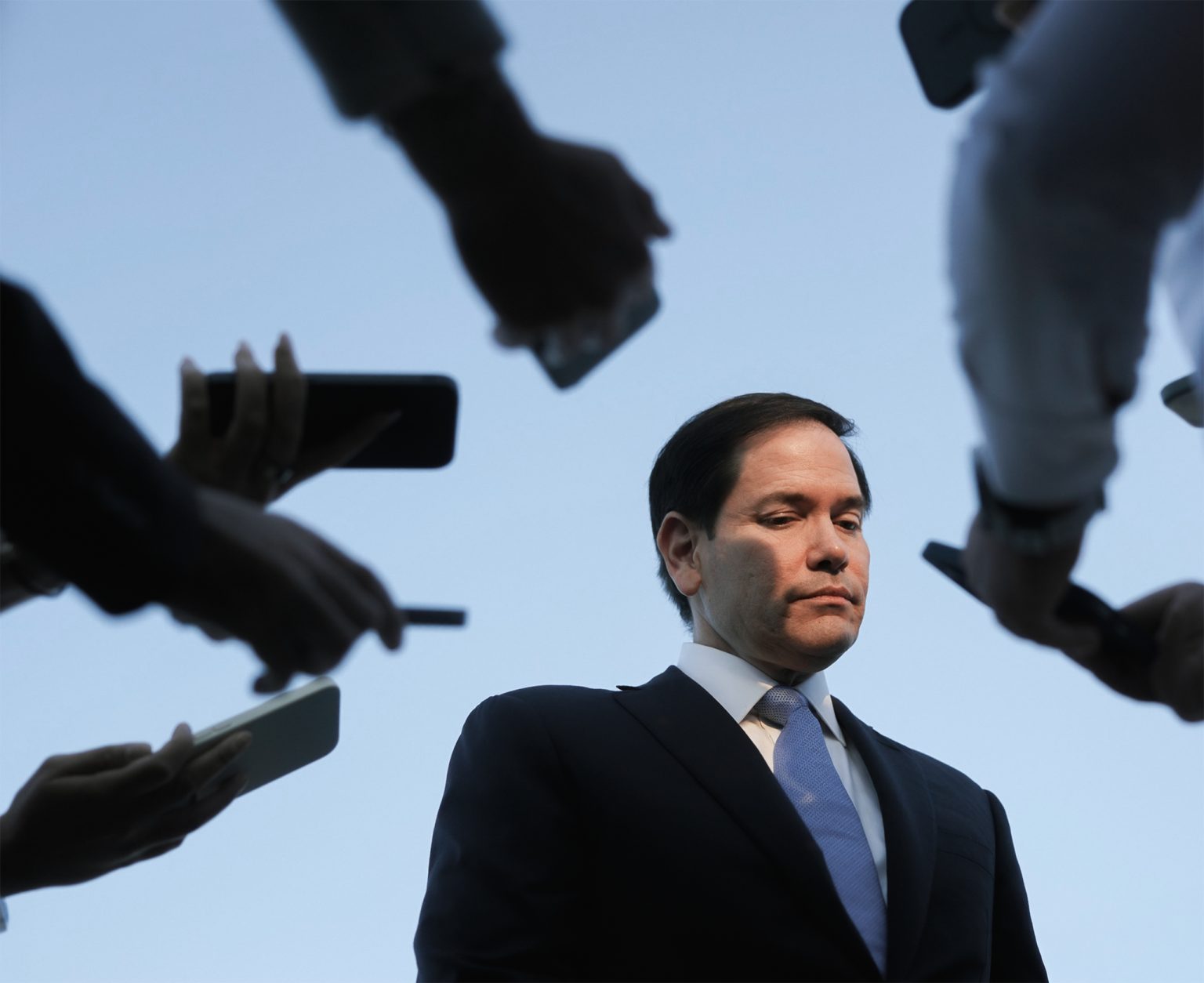
US Secretary of State Marco Rubio said at the start of an interview with Al Jazeera that channels of communication between Iran and the United States remain open, including through intermediaries. He did not rule out direct contacts. Washington, he added, would have preferred a diplomatic solution from the outset and still regards it as the better course if Tehran chooses to pursue it.
At the same time, he sharply criticised the Iranian leadership for spending billions of dollars on supporting Hezbollah, Hamas and Shiite militias in Iraq, destabilising the region and developing weapons rather than investing in its own population. The Iranian people, he said, are enterprising and resourceful, but the problem lies with those in power.
‘We would always welcome a scenario in which Iran was led by people that had a different view of the future,’ he said, adding: ‘And if that opportunity presents itself, we’re going to take it.’
A nuclear-free Iran
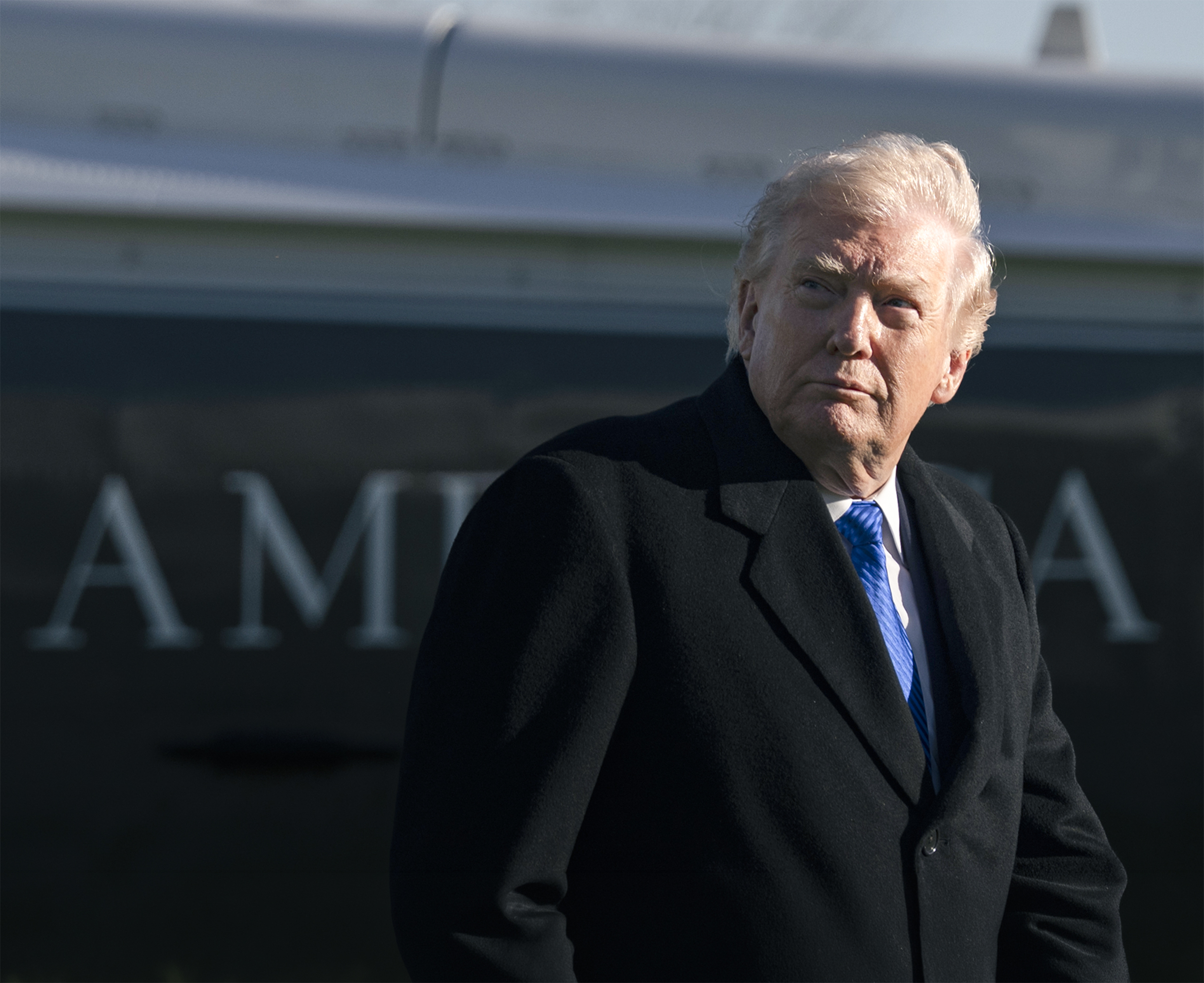
A central condition for Washington, Rubio said, is that Iran must take verifiable steps to abandon any ambition to acquire nuclear weapons. He argued that Tehran must not be allowed to operate ‘a system that allows them to quickly weaponise’ its nuclear programme.
If Iran seeks civilian nuclear energy, he said, there are regional models based on imported fuel and international oversight. What Washington cannot accept is any arrangement that could enable rapid militarisation.
He also called for a complete halt to the production of drones and missiles, which he said are used to threaten neighbouring states, and accused Tehran of having misrepresented its missile capabilities.
He confirmed that Israel is pursuing its own objectives in the operation, focused in particular on medium-range missiles in northern Iran and other imminent threats. While the United States and Israel coordinate to avoid overlap, their goals are not identical.
Hormuz will remain open
Rubio also addressed the Strait of Hormuz, rejecting Iran’s reported demand for recognition of sovereignty over the waterway.
Such a claim, he said, would be unacceptable not only to the United States but globally, as it would set a precedent for states to appropriate international sea routes. He pointed to potential claims by China in the South China Sea as a parallel.
Although much of US energy supply does not transit Hormuz, its closure would have severe consequences for global markets and for American allies in the Gulf. Washington will therefore not accept such demands.
‘The Strait of Hormuz will be open when this operation is over … one way or another,’ he said. ‘It will be open because Iran agrees to abide by international law and not block the commercial waterway, or a coalition of nations around the world and the region, with the participation of the United States, will make sure that it’s open.’
Rubio added that Bab al-Mandab and the Red Sea could emerge as further flashpoints following action against the Houthis. There, too, armed groups are attempting to control vital shipping routes and force the world to seek permission to trade.
A test for NATO
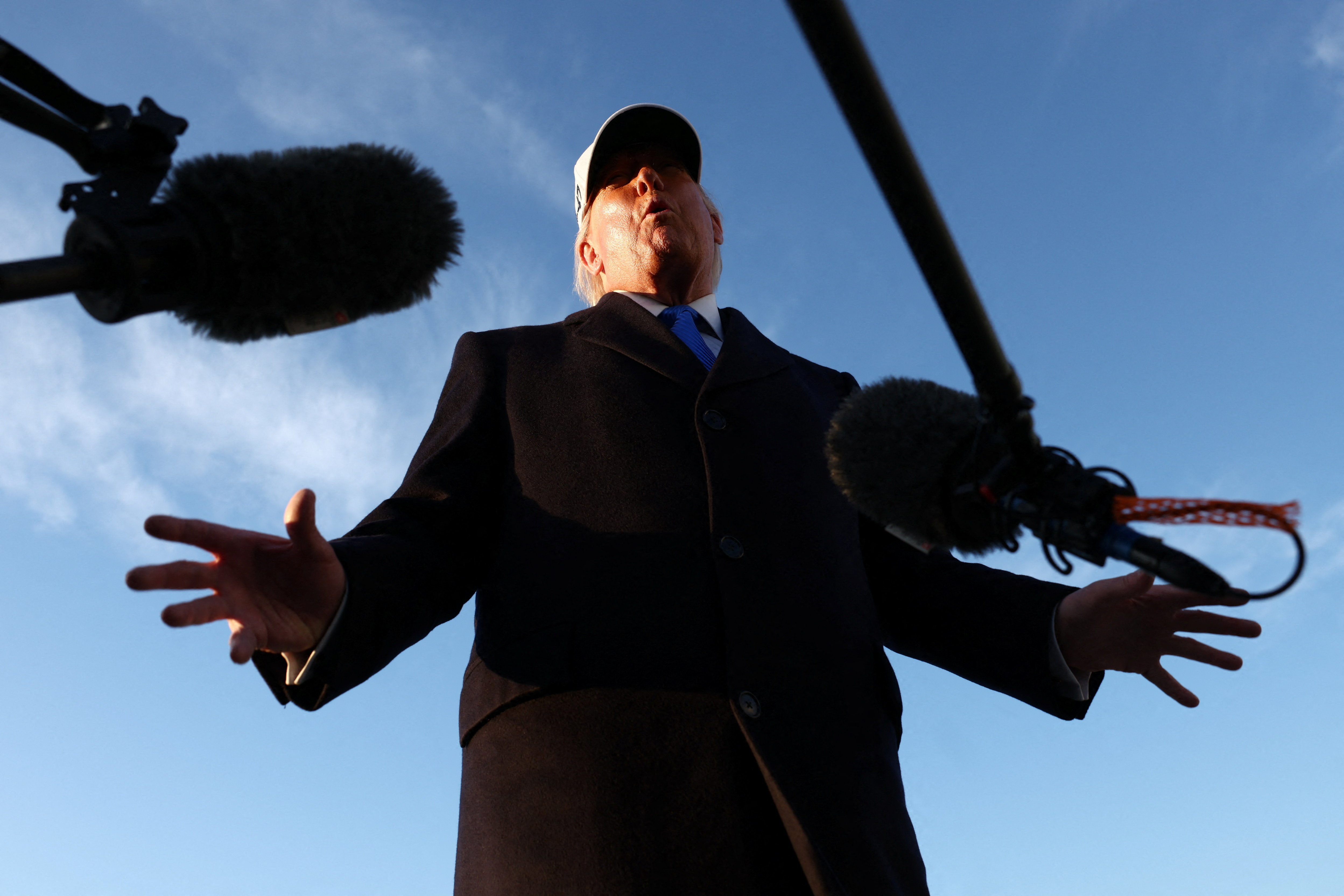
Rubio also criticised European allies within NATO, describing it as ‘very disappointing’ that some member states – including Spain – had refused the United States access to airspace or bases for the operation.
He indicated that Washington may reassess aspects of the alliance after the operation, while reaffirming his broader support for NATO and its strategic value for the United States.
He rejected European complaints about unclear signals from Washington as disingenuous, pointing to the tens of thousands of US troops stationed in Europe and the scale of American military investment in the continent’s defence.
Rubio concluded by saying the operation against Iran would end once its objectives had been achieved, including the destruction of naval and air capabilities, arms production and a substantial reduction in missile capacity.
‘And that’s something that’s not going to take months. I’m not going to tell you exactly how many weeks, but a matter of weeks, not months,’ he said.
He also referred to developments in Venezuela, saying the situation had stabilised following the US capture of President Nicolás Maduro and his wife.
(max)