
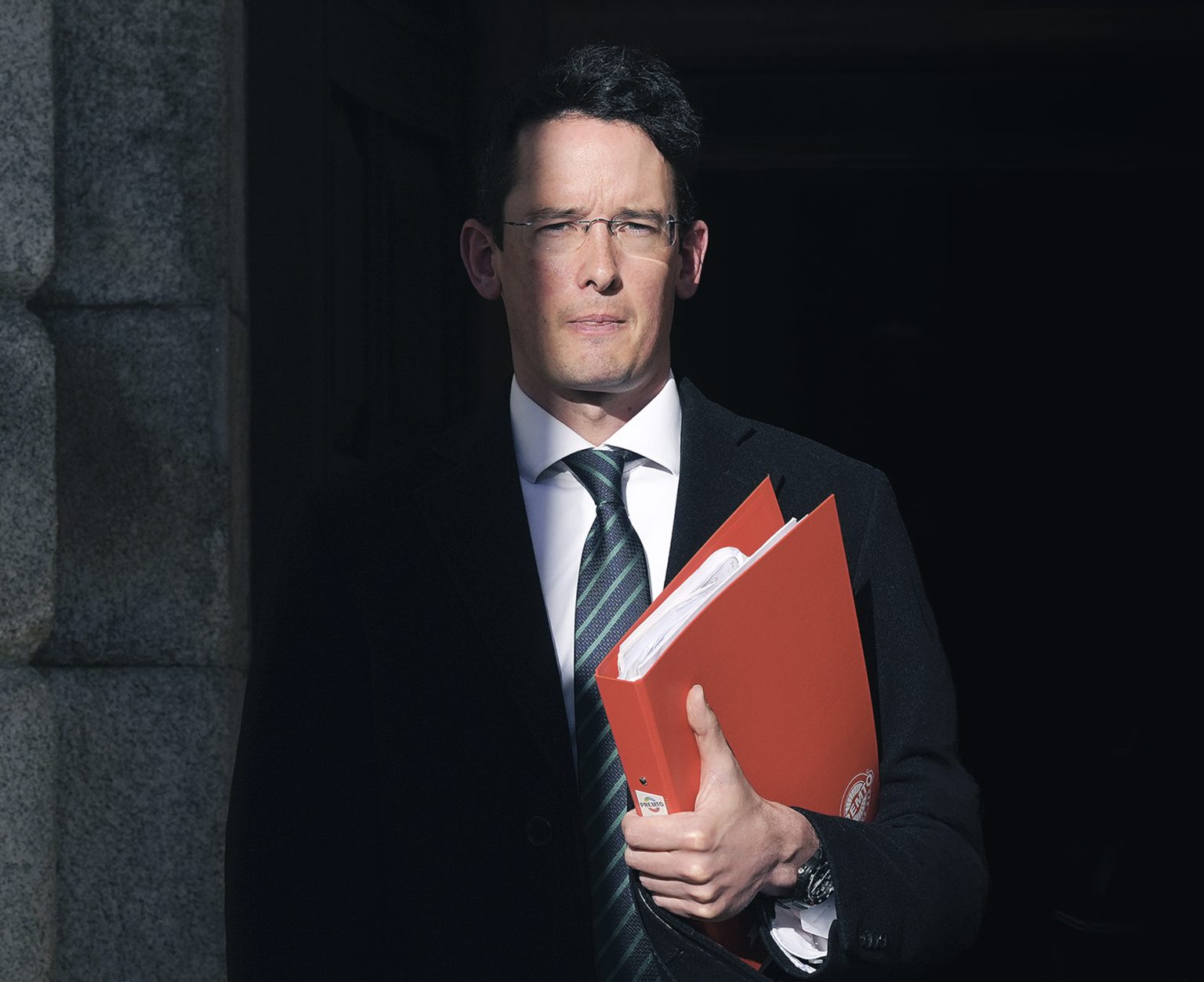
The controversy over Enoch Burke, the Irish teacher imprisoned for refusing to refer to a transgender pupil using the pronoun ‘they’, has taken a dramatic new turn, with his mother Martina and sister Ammi also being jailed for two weeks.
Their supposed crime was being disruptive during his court appearances, ignoring the judge's efforts to keep them quiet. Their arrest outside Castlerea Prison, where they had visited Burke, and subsequent imprisonment pushes the case beyond one individual and into a much wider debate about protest.
The story began in County Westmeath in 2022, where Burke was a teacher. He received an email from the headmistress of the school he worked at, telling him that one of the male pupils at the school was now identified as a girl. As such, the headmistress wanted all teachers to refer to him using his new female name and to use the pronouns they/them.
Burke emailed her back to say that he felt this was wrong and that he would not comply. Summoned to a meeting, he was told that the Equal Status Act 2000 meant that he had to use the pronouns, no matter what he felt biology or his conscience said. When Burke continued to challenge this, he was suspended. Understandably, he said this was unjust.
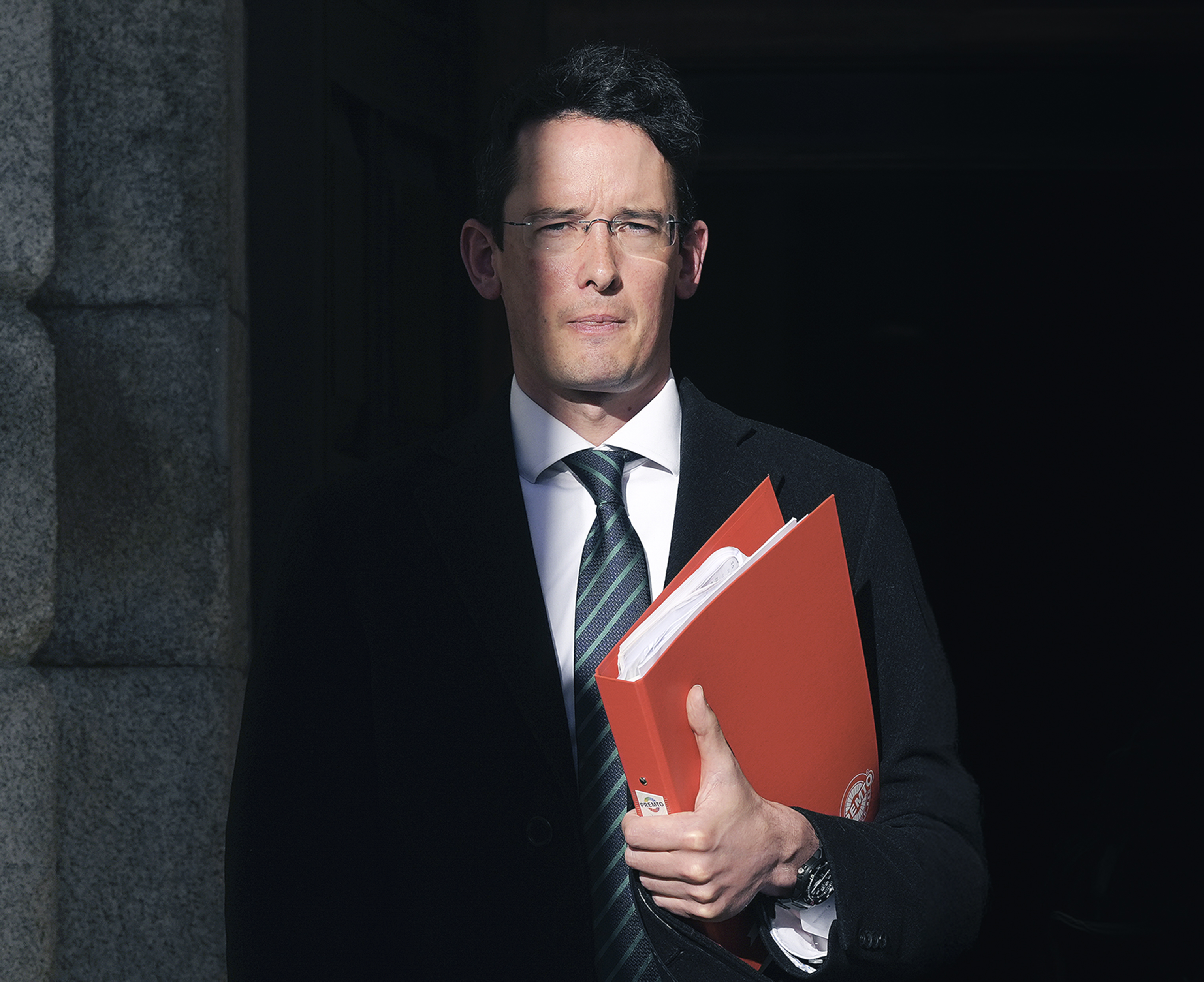
Defiance of court orders leads to jail in Burke case
His brush with the law began when he refused to accept this. He kept returning to the school, saying that he was there to teach. The school applied for a court order to prevent him from entering their property, which he ignored. That, in turn, led to him being imprisoned and fined. Burke has now spent over 600 days in Irish prisons, while his fines total 220,000 Euros so far.
Some critics have pointed out that trespassing on school property should be taken seriously and that his punishment is largely due to his flouting the court ruling. Other critics point to the staunch evangelical Christian beliefs of him and his family - he has nine siblings - implying that they are fanatics who bring it on themselves, and saying that Burke wanted to impose his beliefs on the child. Yet his supporters are correct that this began with an attempt to force him to violate his conscience. In the end, it is the beliefs of the school and of the Irish elites that have been imposed.
The imprisonment of his mother and sister for two weeks has proven similarly controversial. During his trial, they refused to stay silent, even when ordered to do so. The judge in the case was quoted as saying that they were ‘motivated by a faith-driven ideology, refusing to accept the rule of law’ and that ‘we live in a democracy governed by the rule of law - not a theocracy, governed by the Burke family’. As Ammi Burke is a solicitor, the judge also said that he would send papers to the disciplinary committee of the Law Society, suggesting that it consider opening an inquiry into her. In addition, the two women and Burke's brother Isaac were also barred from attending future hearings, except remotely.
A test of free speech and conscience in modern Ireland
Considering the laxity of Irish law, many have seen this as an exemplary punishment, less to do with their behaviour than with their dissenting views. Jailing multiple members of the same family also risks creating the impression that this is no longer simply about upholding court orders, but about suppressing opposing views. Courts must, of course, maintain authority and ensure that their rulings are followed. At the same time, requiring Burke to violate his conscience or lose his liberty raises a fundamentally moral question.
That is not to say that he has acted faultlessly. When released from prison in January 2026, he promptly returned to the school to make videos and then trespassed on school property again. Unsurprisingly, he was jailed again for contempt of court.
In the 2000s, Ireland was widely praised for its increasing liberalism, with the Catholic Church losing the once-privileged position it had had. Its detractors pointed to the moral control it exerted over the Irish Republic. Yet only a few decades later, a new orthodoxy has sprung up that has proven to be quite as inflexible as what it replaced. Irish politicians were only narrowly prevented from introducing hate speech laws in the Criminal Justice (Hate Offences) Act 2024, which were criticised, including by Elon Musk, for being vague and likely to exercise a chilling effect on free speech.
A confident democracy should be able to tolerate dissent, even when it is uncomfortable or unpopular, without escalating to imprisonment as a recurring response. The Burke case, now extending to his own family, has become a symbol of a deeper tension between authority and conscience. How Ireland resolves this will shape not only the outcome of one dispute, but the broader boundaries of free speech in the Republic in years to come.